

 Contact Us

 Home /
 LFP vs. LTO in 24/7 AMR Operations: How Battery Chemistry Changes Charging Strategy and Fleet Availability
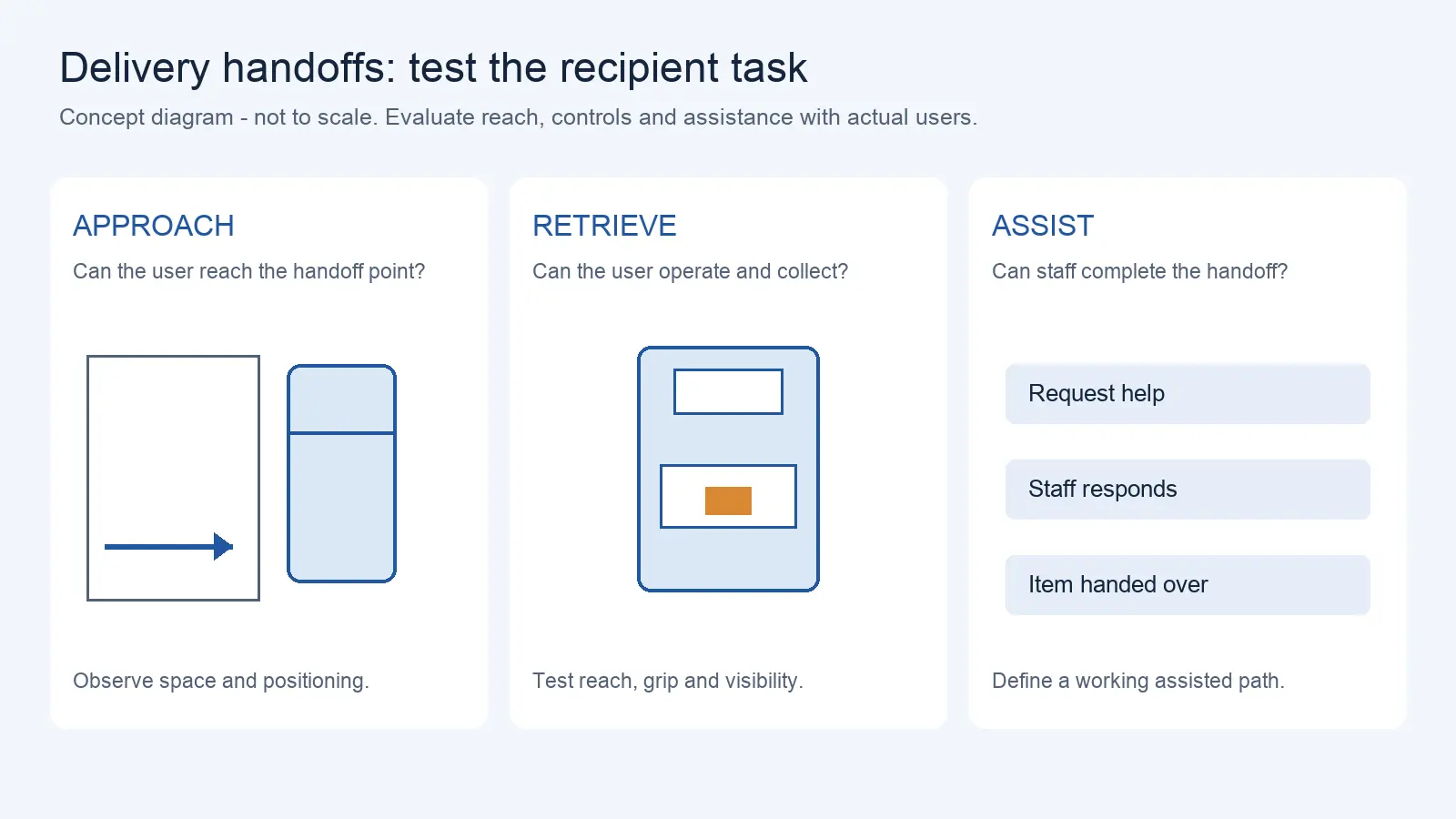
Delivery Robot Accessibility: Tray Reach, Controls, and Assisted Handoffs
Oct 12, 2026
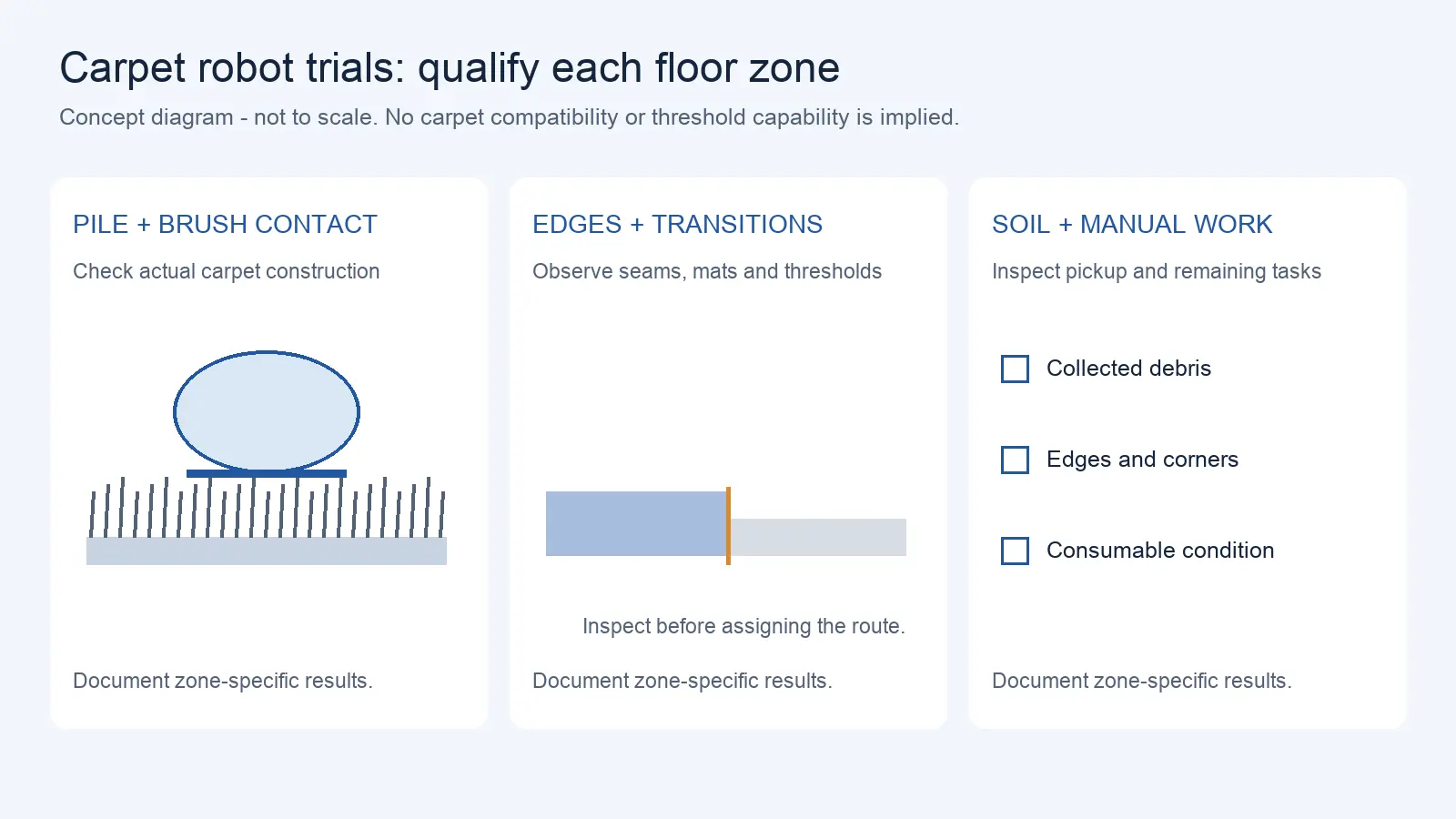
Commercial Carpet-Vacuuming Robots: Pile, Edge Transitions, and Maintenance Limits
Oct 12, 2026
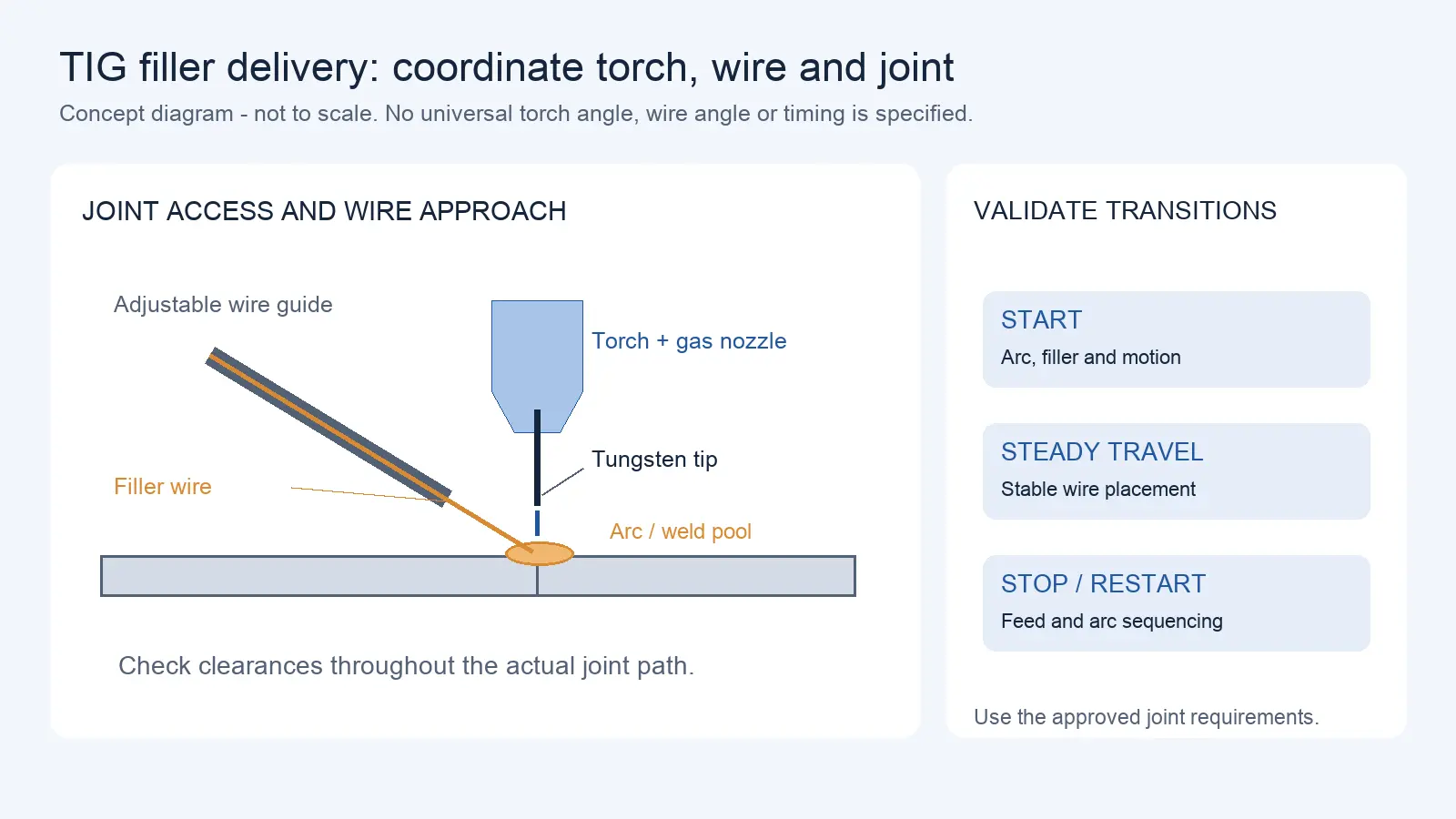
Robotic TIG Filler-Wire Delivery: Feed Angle, Arc Access, and Stop-Start Quality
Oct 12, 2026
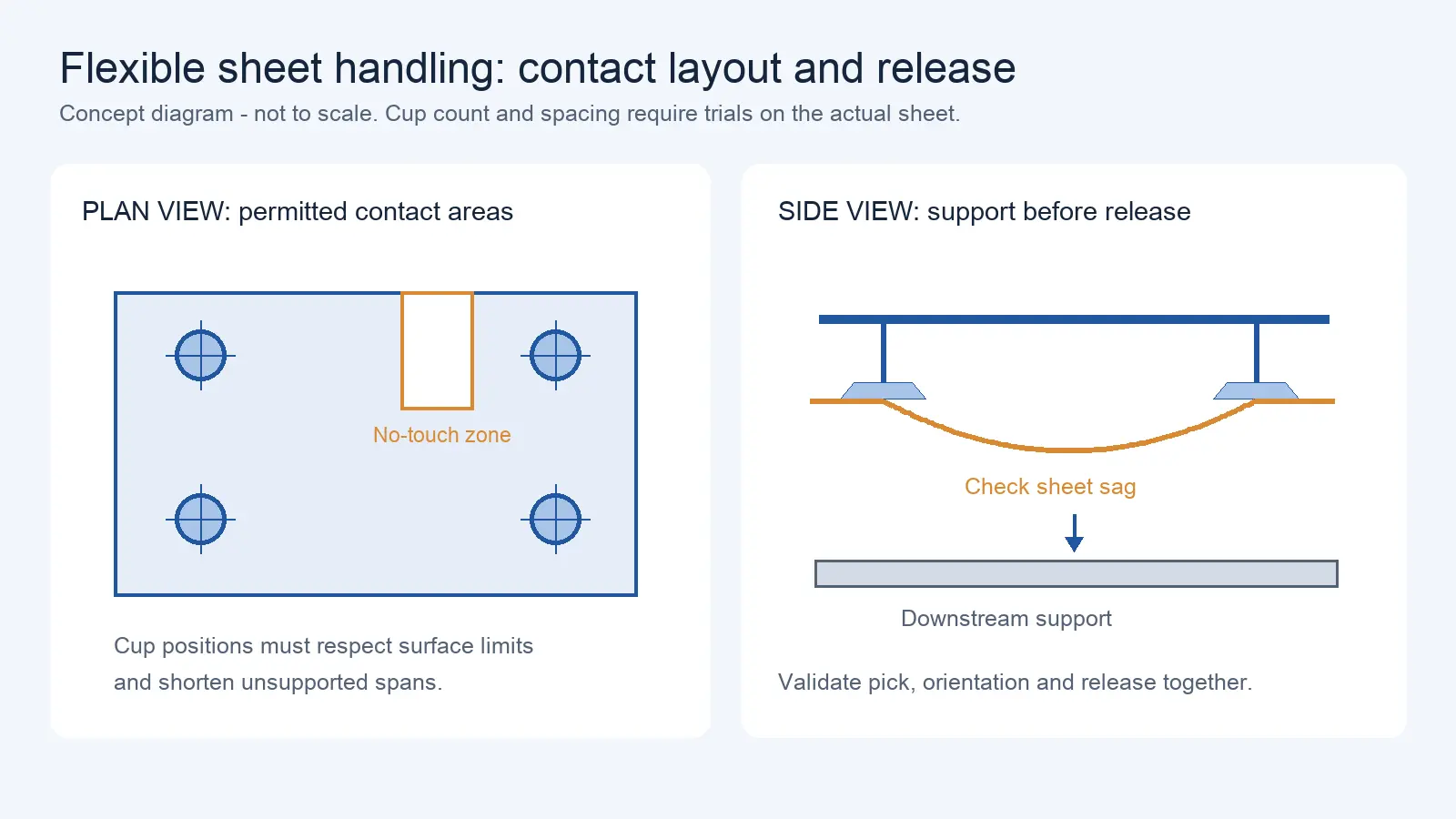
Suction Cup Layout for Flexible Sheets: Sag, Local Stress, and Controlled Release
Oct 12, 2026
The most common starting point for AMR battery selection is “LFP or LTO?” The right question is: “What does your operating pattern look like?”
Battery chemistry should be driven by the duty cycle — hours of operation per shift, how long the charging window is, ambient temperature, whether opportunity charging is feasible, and whether battery swapping is allowed. These factors determine which chemistry fits your scenario, not the other way around.
LFP (lithium iron phosphate) and LTO (lithium titanate) are both used in AMRs. They differ in energy density, charge/discharge rate, cycle life, temperature performance, and cost. Which one fits your operation depends on your shift pattern and charging window — not on an abstract “which is better.”
LFP and LTO: Fundamental Chemistry Differences
| Property | LFP (lithium iron phosphate) | LTO (lithium titanate) |
| Energy density | Higher — more energy per unit volume | Lower — less energy per unit volume |
| Charge rate | Supports relatively fast charging | Supports very fast charging |
| Discharge rate | Medium-high | High |
| Cycle life | Long | Very long |
| Low-temperature charging | Many packs restrict charging at low cell temperature; follow cell/pack/BMS limits and OEM strategy | Can offer stronger low-temperature charge capability in some designs; verify pack-level permitted charge current vs temperature |
| Thermal stability | Good thermal stability in typical conditions | Good thermal stability in typical conditions |
| Cost | Lower | Higher |
| Weight (same capacity) | Lighter | Heavier |
Core difference: LFP’s strength is energy density and cost — more energy per volume, lower purchase price. LTO’s strength is charging speed and cycle life — faster charging, longer life, but less energy per volume and higher cost.
Important: all specific values for charge rate, cycle life, and energy density depend on the cell manufacturer, cell form factor, pack design, and BMS configuration. The table above describes directional differences between the two chemistries. For numbers you can use in a purchasing decision, request the battery pack datasheet from the supplier — not just the cell datasheet. Cell-level specs and pack-level specs are not the same. A cell rated for 5,000 cycles may deliver fewer cycles at the pack level due to BMS balancing, thermal management, and cell-to-cell variation.
Charge Rate and Opportunity Charging Windows
The core challenge of 24/7 operation: the robot spends most of its time working. The charging window is limited.
LFP opportunity charging: Supports relatively fast charging — short top-ups while waiting at workstations. If there are enough waiting gaps during a shift, LFP opportunity charging can sustain continuous operation. The specific charge rate and whether it supports your shift pattern depends on the pack design and BMS — verify against the datasheet.
LTO opportunity charging: Supports very fast charging — significant capacity recovery in minutes. Even very short waiting gaps can add meaningful runtime. Suited for “charge-as-you-go” — a few minutes of charging at each workstation stop.
The actual charge rate depends on the cell specification, pack configuration, charger design, and BMS limits. Do not assume a generic C-rate — ask the supplier for the rated charge current and the conditions under which it applies (temperature, state of charge, cycle count).
Scenario comparison:
| Operating mode | LFP fit | LTO fit | Notes |
| Single 8h shift + shift-change charging | Good | Good but cost may be unnecessary | Shift-change window is enough for LFP to fully charge |
| Two shifts 16h + opportunity charging | Feasible if enough waiting gaps | Good | LTO’s fast-charge advantage shows with short gaps |
| 24/7 continuous operation | Needs sufficient charging windows or battery swapping | Clear advantage | LTO’s fast charge + long life suits continuous operation |
| Extreme cold environment | Verify pack/BMS charge-discharge limits at the required temperature | Verify pack-level temperature/charge-discharge envelope | Some LTO pack designs may offer stronger low-temperature charge capability, but no universal threshold should be assumed |
| Cost-sensitive scenario | Cost advantage | Cost disadvantage | LTO purchase price is higher; exact ratio varies by supplier |
Temperature Performance and Preheating Constraints
Battery behavior at temperature extremes directly affects availability.
LFP temperature characteristics:
- Discharge: At low temperatures, discharge capacity drops. Effective runtime shortens.
- Charging: Many LFP packs restrict charging at low cell temperature. Follow the cell, pack, and BMS limits and the OEM charging strategy — do not assume a single temperature threshold applies universally.
- High temperature: Sustained high temperatures reduce lifespan.
LTO temperature characteristics:
- Discharge: Maintains discharge capacity well at low temperatures in many designs.
- Charging: Can offer stronger low-temperature charge capability in some designs. Verify the pack-level permitted charge current vs. temperature from the supplier.
- High temperature: Good thermal stability in typical conditions.
If your AMRs run in cold storage or extreme cold environments, request the temperature-charge/discharge envelope and pack safety evidence from the supplier for both chemistries. Do not assume a generic temperature threshold — the actual limits depend on the cell, pack design, and BMS configuration.
Cycle Life Claims: Test Conditions Buyers Must Request
Cycle life is a key parameter in battery selection. But a cycle life number means nothing on its own — unless you know the test conditions.
Factors affecting cycle life:
- Depth of discharge (DoD): 100% DoD vs. 80% DoD vs. 50% DoD — shallow discharge extends life.
- Charge/discharge rate: High rates accelerate degradation.
- Temperature: High temperatures accelerate degradation.
- Charge cutoff voltage: High cutoff voltage accelerates degradation.
| What the supplier should provide | Why it matters |
| Cycle life count | Baseline data |
| Test DoD | 80% DoD 5,000 cycles is not the same as 100% DoD 5,000 cycles |
| Test charge/discharge rate | Different rates yield different lifespans |
| Test temperature | Different temperatures yield different lifespans |
| Capacity retention definition | Is “end of life” 80% or 60% capacity? |
| Cell-level vs. pack-level | Cell cycle life does not equal pack cycle life — BMS balancing, thermal management, and cell variation reduce pack-level life |
| Actual field data | Lab data vs. field data gap |
Ask the supplier for the test conditions behind the cycle life number — what DoD, what rate, what temperature, and whether the number is cell-level or pack-level. If the supplier gives a number without conditions, it is not comparable.
Battery Size, Weight, Cost, and Packaging Trade-offs
Bigger is not always better. Battery size and weight affect the AMR’s payload budget, motion performance, and cost.
| Trade-off dimension | LFP | LTO | Impact |
| Volume for same capacity | Smaller | Larger | LTO battery takes more chassis space |
| Weight for same capacity | Lighter | Heavier | LTO battery reduces effective payload |
| Cost for same capacity | Lower | Higher | LTO battery increases purchase cost |
| Lifecycle cost | Evaluate replacement frequency | Long life reduces replacements | LTO TCO may be lower over time |
LTO has higher upfront cost but longer life. In 24/7 continuous operation, if LFP needs replacement more frequently while LTO runs longer, total cost of ownership may flip. But this requires calculation based on your actual duty cycle, charge/discharge pattern, and supplier-specific pricing — no generic formula applies.
When Battery Swapping Still Beats Fast Charging
Even though LTO supports very fast charging, battery swapping is sometimes the better strategy.
When swapping has the edge:
- No sufficient charging window — even fast charging takes minutes; swapping can be faster.
- Multi-shift continuous operation with very short shift-change gaps.
- Battery standardization — same model AMR batteries are interchangeable.
- Dedicated personnel or automation for swapping.
Limitations of swapping:
- Requires spare batteries — adds purchase cost.
- Requires swapping space and equipment.
- Battery management system must support hot-swap.
- Uneven battery wear — swap sequence management needed.
Battery swapping is not “advanced” or “outdated.” It is a match to the operating mode. If your charging window is sufficient, swapping is unnecessary. If the charging window is essentially zero (24/7 no-stop), swapping may be the only viable option.
The Five-Year Battery Plan: What Data to Model
Battery selection should not look only at initial purchase. Model a 5-year lifecycle.
Battery Strategy Comparison Table (By Shift and Charging Window)
| Dimension | Your data | LFP option | LTO option | Assessment |
| Operating mode | ||||
| Hours per shift (h) | _____ | _____ | _____ | |
| Shifts per day | _____ | _____ | _____ | |
| Charging window (min/instance) | _____ | _____ | _____ | |
| Opportunity charges per shift | _____ | _____ | _____ | |
| Battery parameters | ||||
| Battery capacity (kWh) | _____ | _____ | _____ | |
| Full-load runtime (h) | _____ | _____ | _____ | |
| Charge time (min, at rated conditions) | _____ | _____ | _____ | |
| Cycle life (cycles, with test conditions) | _____ | _____ | _____ | |
| Cell-level or pack-level? | _____ | _____ | _____ | |
| Environment | ||||
| Min ambient temperature (°C) | _____ | _____ | _____ | |
| Max ambient temperature (°C) | _____ | _____ | _____ | |
| Cost | ||||
| Battery purchase cost | _____ | _____ | _____ | |
| Replacements in 5 years | _____ | _____ | _____ | |
| 5-year total battery cost | _____ | _____ | _____ | |
| Charging infrastructure cost | _____ | _____ | _____ | |
| Availability | ||||
| Annual downtime (charging) | _____ | _____ | _____ | |
| Annual downtime (swapping) | _____ | _____ | _____ | |
| Spare battery requirement | _____ | _____ | _____ |
Need to Compare LFP and LTO for Your Duty Cycle?
Battery chemistry should match your operating pattern. We can help compare charging windows, temperature limits, runtime, swapping options, and lifecycle trade-offs for your AMR fleet.
Please share, if available: hours per shift, shifts per day, charging windows, operating temperature range, required runtime, opportunity-charging points, and battery-swapping constraints.
Compare Battery OptionsBattery Selection Evidence to Request
- Start selection from the duty cycle — shift pattern, charging window, and operating temperature determine the chemistry.
- Request the battery pack datasheet — not just the cell datasheet. Cell-level and pack-level specs are not the same.
- LFP’s advantage is energy density and cost — best when charging windows are sufficient.
- LTO’s advantage is fast charging and low-temperature performance — best for 24/7 continuous operation and extreme cold.
- Cycle life numbers must come with test conditions — DoD, rate, temperature, capacity retention definition, and cell vs. pack level.
- Model five-year total cost of ownership — LTO costs more upfront but may last longer; LFP is cheaper initially but may need replacement.
- Battery swapping remains an option — not outdated, but a possible solution for 24/7 no-stop scenarios.
Share on Social:


Contact Us
In This Article
Delivery Robot Accessibility: Tray Reach, Controls, and Assisted Handoffs
Oct 12, 2026
Commercial Carpet-Vacuuming Robots: Pile, Edge Transitions, and Maintenance Limits
Oct 12, 2026
Robotic TIG Filler-Wire Delivery: Feed Angle, Arc Access, and Stop-Start Quality
Oct 12, 2026
Suction Cup Layout for Flexible Sheets: Sag, Local Stress, and Controlled Release
Oct 12, 2026