

 Contact Us

 Home /

Robots for Healthcare & Senior Care
AIsirRobot helps healthcare and senior care teams evaluate suitable robot options for non-clinical applications, compare models from supplier partners, and coordinate configuration, documentation, delivery, and after-sales support.
Consider a hospital facility director walking the same corridor every morning: kitchen to wards, pharmacy to nursing stations, linen room to floors. None of these tasks involve patient care. All of them involve moving items through a building that operates 24 hours a day, under strict hygiene rules, with elevators that need authorization and zones that require badge access.
Robots can support some of these non-clinical tasks — transport, cleaning, visitor information. They are not promoted as medical devices. Clinical or patient-care applications may trigger medical-device or other regulatory requirements, depending on the intended use and destination market. That line is not a disclaimer. It is the starting point for every conversation about robots in healthcare.
What Healthcare Facility Teams Deal With
Healthcare and Senior Care Areas and Robot Applications
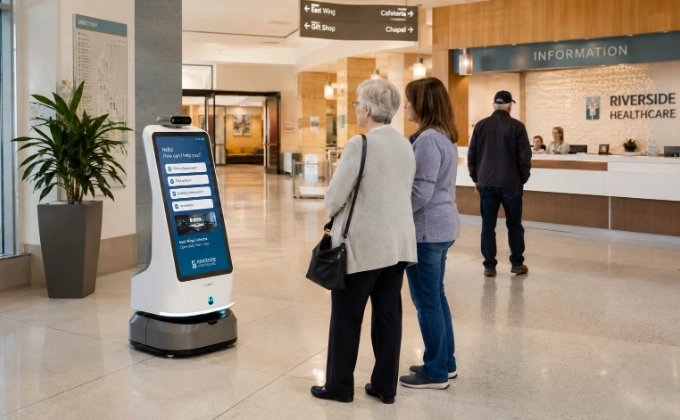
Public Lobbies and Information Areas
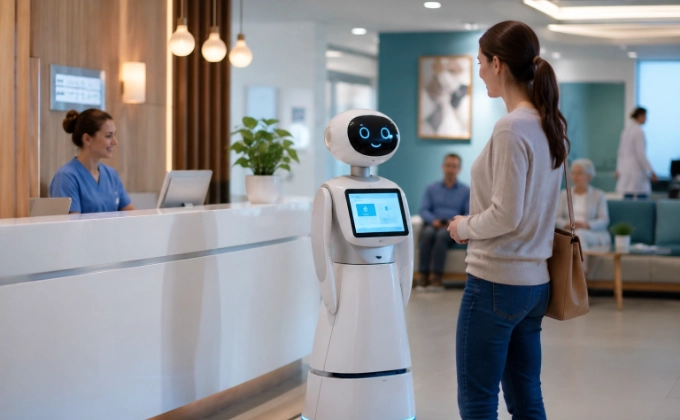
Guide robots welcome visitors, provide directions, and answer common non-medical questions. They operate in public areas — not in clinical or restricted zones.
Kitchens, Linen Rooms, and Supply Areas
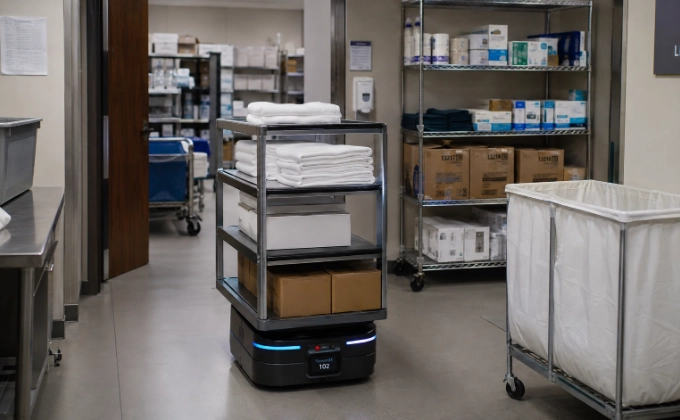
Transport robots can move items from these back-of-house areas to designated delivery points. Handoff procedures and chain-of-custody requirements must be defined per facility.
Administrative and Non-Restricted Corridors
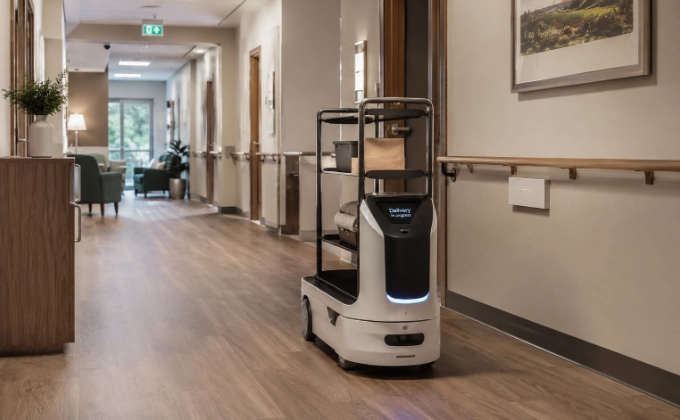
Robots can operate in administrative corridors and non-restricted service routes. Access to clinical, isolation, or secure areas must be explicitly authorized.
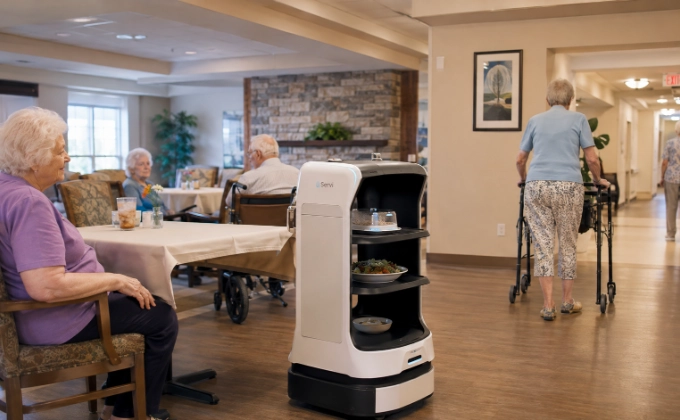
Senior Living Common Areas
Robots can assist with meal delivery, cleaning, and visitor guidance in senior living environments. Safety settings, quiet operation, and non-clinical use should be confirmed for each application.
Robot Categories Commonly Considered
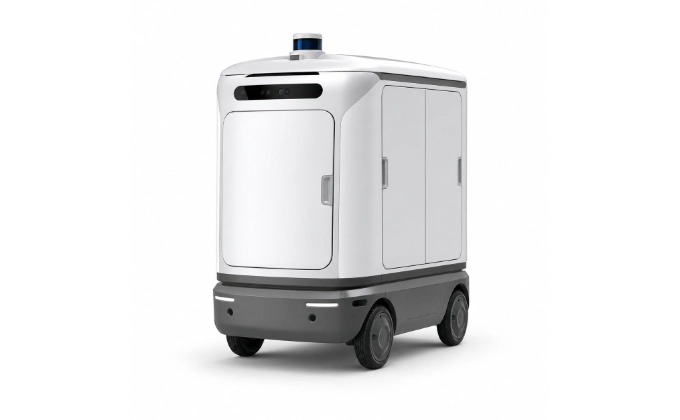
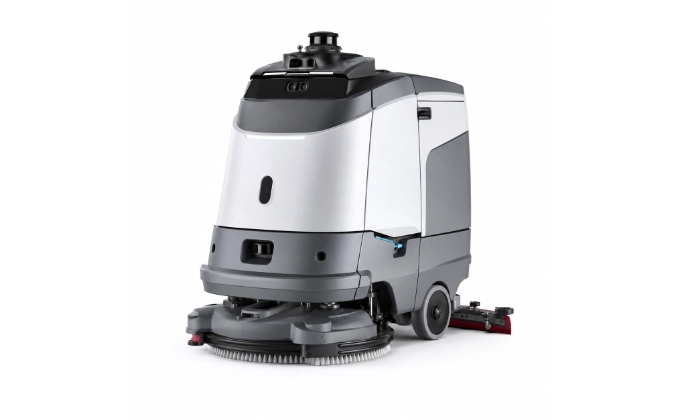
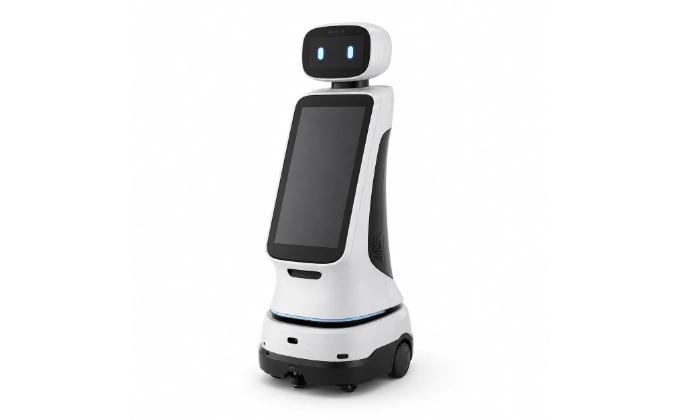
Robot-Supported Workflows
Healthcare Site Readiness Checklist
| Factor | What to Check |
| Facility type | Hospital, clinic, senior living, or mixed — and target departments |
| Permitted and restricted areas | Where robots are allowed and not allowed |
| Load details | Item type, weight, packaging, hygiene requirements |
| Handoff and chain‑of‑custody | Whether items need tracking, signatures, or temperature logs |
| Corridors and elevators | Width, surface, elevator brand, access control |
| Hygiene and disinfectants | Approved cleaning agents, surface materials, infection‑control rules |
| Privacy | Cameras, microphones, data storage, patient privacy regulations |
| Network | Wi‑Fi or mobile coverage in all approved operating areas |
| Noise | Patient‑area noise limits, night‑time restrictions |
| Charging | Available locations, distance from operating routes |
Clinical, Privacy, and Infection-Control Boundaries
Non-Clinical vs. Clinical Use
The robots discussed are designed for non-clinical facility support. Medical care, patient assistance, or regulated item transport may require additional compliance review.
Cleaning and Disinfectant Compatibility
Robot materials and cleaning systems should be compatible with facility-approved disinfectants. Compatibility should be confirmed with the manufacturer.
Patient and Visitor Data
Robots with cameras or sensors may involve data collection. Facilities should ensure data handling meets applicable privacy requirements.
Human Oversight and Emergency Response
Facilities should define robot monitoring, manual intervention, and emergency procedures before deployment.
How AIsirRobot Supports Healthcare and Senior Care Projects
- Application and permitted-task review focused on non-clinical operations
- Model comparison based on load, hygiene, access, privacy, and environment requirements
- Supplier coordination for documentation, material compatibility, interfaces, and intended use
- International delivery and after-sales coordination
- On-site setup and training handled by confirmed partners when included in the project scope
- Regulatory and clinical decisions are the responsibility of the buyer, local importer, and relevant healthcare authorities

The more we know about your facility, permitted tasks, and compliance requirements, the faster we can evaluate suitable options.
-
 Facility type and target department
-
Permitted task and load details
-
Routes, elevators, doors, and restricted zones
-
Hygiene and disinfectant requirements
-
Privacy and data requirements
-
Destination country and intended use
-
Site photos or controlled-access diagrams