

 Contact Us

 Home /

Robots for Warehousing & Logistics
AIsirRobot helps warehouse operators evaluate suitable robot options, compare models from supplier partners, and coordinate configuration, documentation, delivery, and after-sales support.
Warehouse Automation Challenges
Warehouse managers face increasing pressure from labor shortages, fluctuating demand, system complexity, and operational efficiency requirements. Before deploying robots, businesses need to understand the practical challenges that affect automation success.
Successful warehouse robot deployment depends not only on selecting the right robot, but also on evaluating workflows, infrastructure, integration requirements, and operational conditions before implementation.
Warehouse Environments We Evaluate
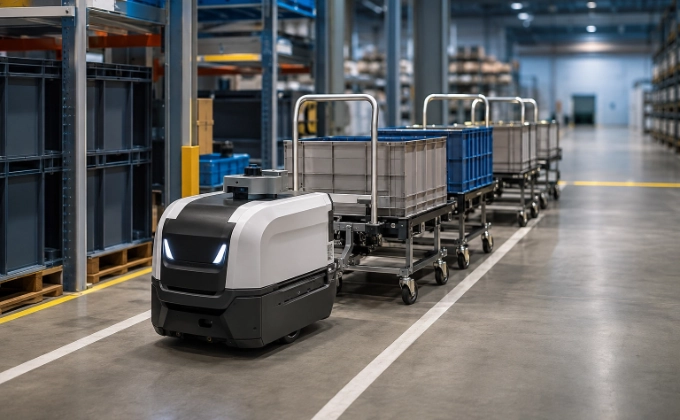
Different warehouse types bring different constraints. The questions a 3PL operations manager asks differ from those of a cold-storage facility lead.
- E-commerce fulfillment centers — high SKU counts, peak-season volume swings, pick-and-pack density
- 3PL and distribution warehouses — multi-client operations, variable throughput, tenant-specific SLAs
- Manufacturing and line-side logistics — scheduled replenishment, part sequencing, WMS and MES integration
- Cold, dusty, or special-condition facilities — environmental ratings, temperature ranges, sealed components
The robot type, fleet size, and integration approach depend on which environment you operate in. Tell us your warehouse type and operational priorities, and we will help narrow the options.
A Day in a Warehouse — Where Robots Insert
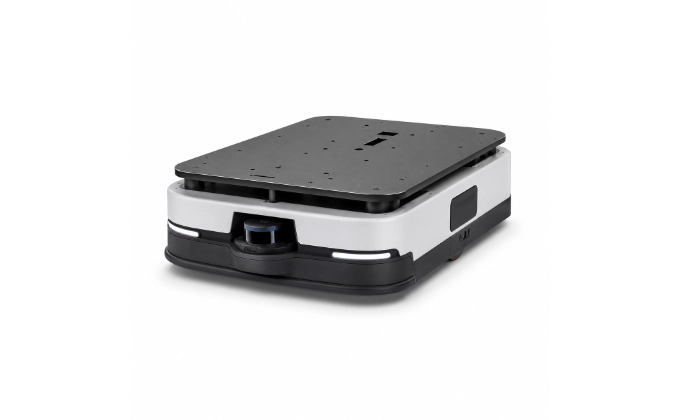
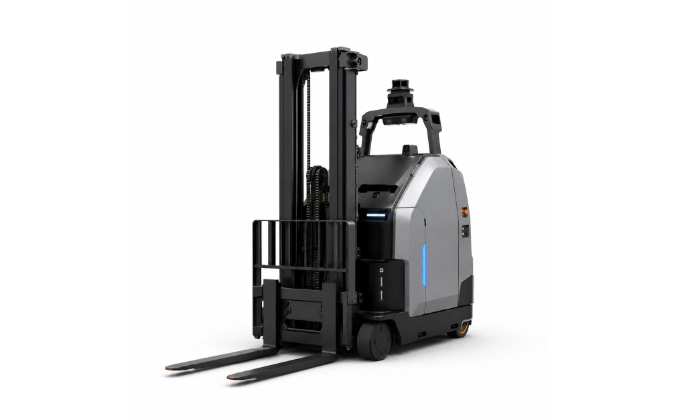
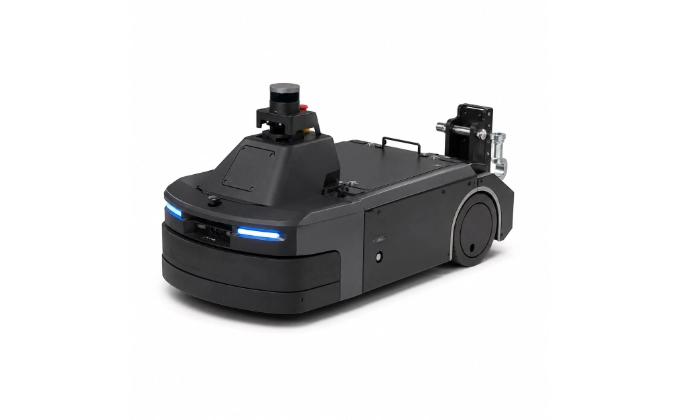
Robot Types Warehouse Operators Encounter
Before You Evaluate: Site Readiness Checklist
| Factor | What to Check |
| Load type | Pallet, cart, tote — dimensions, weight, stability |
| Pickup and delivery points | Locations, height, single or multiple |
| Aisle width | Minimum clear width, turning space, shared with forklifts |
| Floor condition | Surface, joints, ramps, smoothness |
| Route distance | Single trip, round trip, empty return ratio |
| Traffic | Forklifts, hand trucks, pedestrians, peak congestion |
| Systems | WMS, WCS, ERP, conveyor, elevator, automatic doors |
| Power and charging | Available locations, shift pattern, peak task volume |
| Network | Wi‑Fi coverage and signal strength in all operating areas |
Integration, Safety, and What to Watch
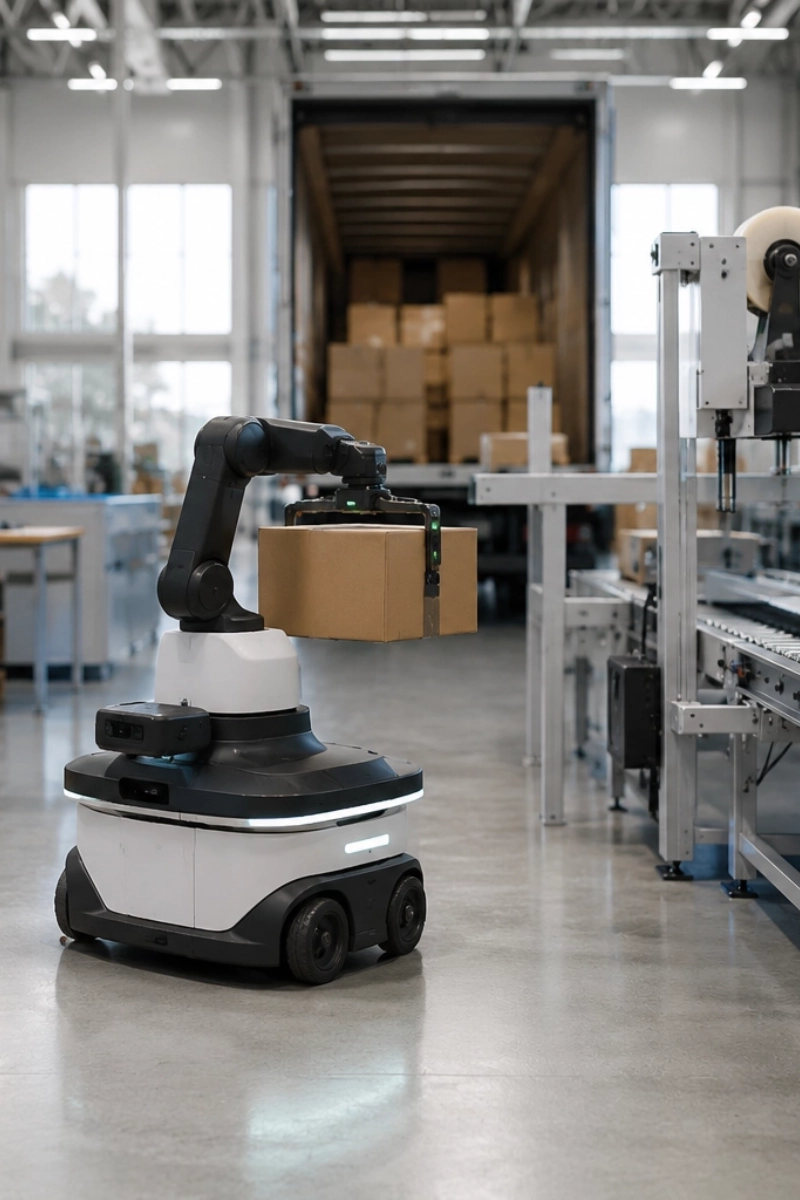
WMS and Fleet Platform Integration
Your WMS dispatches tasks to staff. A robot fleet platform needs to receive similar task assignments. Whether the two systems can talk to each other — and what middleware or API is needed — depends on both platforms. This is confirmed with the manufacturer and integrator, not assumed.
Elevator and Door Interfaces
Multi-floor operations need elevator and automatic door integration. This depends on the robot model, elevator brand, and building control system. It is not a standard feature — confirm during evaluation.
Mixed-Brand Fleet Management
One platform controlling robots from different brands may be possible but should not be assumed. Compatibility depends on architecture, protocols, and supported functions. Assess case by case.
Shared-Route Safety
Robots alongside forklifts and pedestrians need sensor-based obstacle detection, speed control, and traffic rules. ISO 3691-4 may apply depending on your region and application.
Cold, Dusty, or Uneven Areas
Most warehouse robots are designed for indoor, flat, dry environments. Cold storage, dusty areas, or uneven surfaces require models with appropriate environmental ratings — and these may limit available options.
How AIsirRobot Supports Warehouse Projects
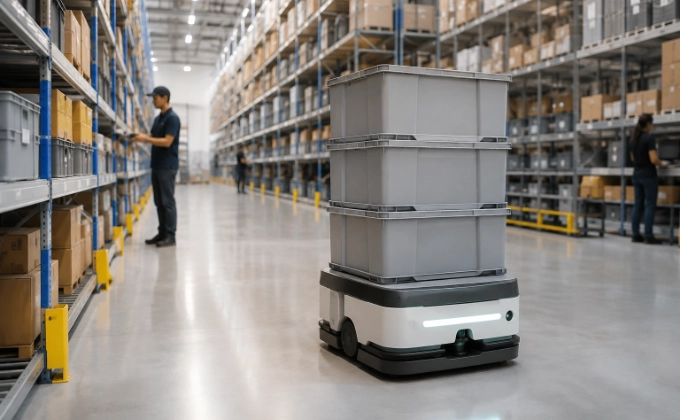
- Material-flow requirement review and task mapping
- Model and load-interface comparison from supplier partners
- Supplier coordination for navigation, lift height, docking, software, and interface questions
- Documentation, shipping, and after-sales coordination
- On-site integration, installation, and maintenance handled by confirmed project partners
- Safety, privacy, building, and regulatory requirements must be confirmed by the customer with the manufacturer, integration partner, and qualified local professionals or authorities as applicable

The more we know about your loads, routes, and systems, the faster we can evaluate suitable options.
-
 Load type, dimensions, and weight
-
Pickup and delivery points
-
Layout or route sketch
-
Aisle width and turning space
-
Peak tasks, shifts, and route distance
-
Existing systems, doors, elevators, or conveyors
-
Site photos or videos