

 Contact Us

 Home /

Robots for Restaurants & Foodservice
AIsirRobot helps you find the right delivery robot for your venue and service style — and coordinate everything from configuration to after-sales.
What Restaurant Operators See
During the lunch rush, a server walks the same kitchen-to-table route dozens of times. The food gets cold, the orders pile up at the pass, and the guests waiting at the door wonder why service is slow. The problem isn’t the staff. The problem is that the most repetitive part of the job — carrying plates from point A to point B: takes time away from everything else that makes a restaurant work.
Where Robots Fit in the Service Flow
Robot Types for Foodservice
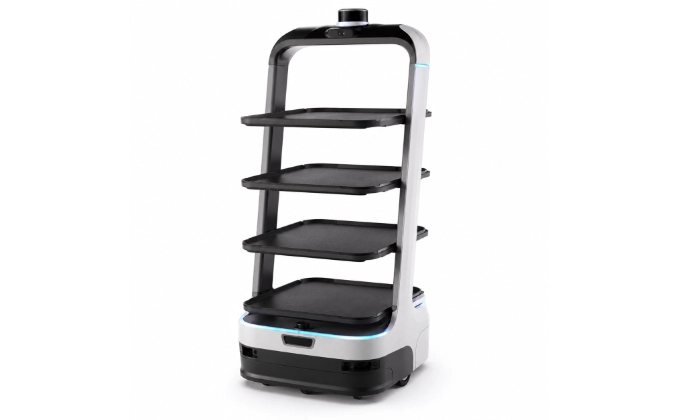
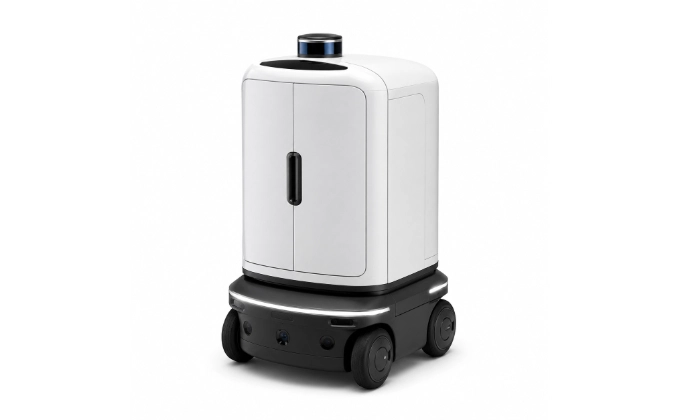
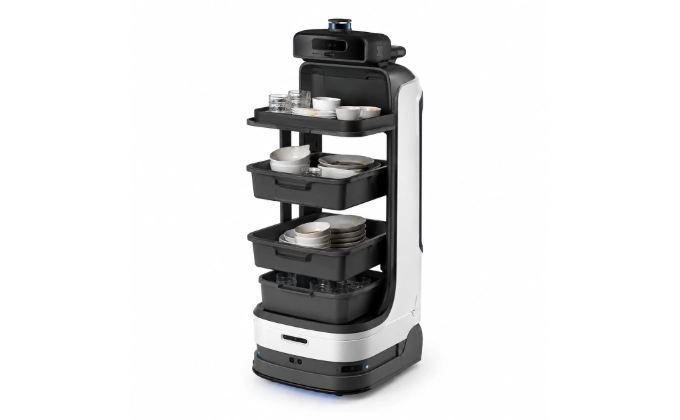
How a Restaurant Delivery Workflow Operates
Restaurant Site Readiness Checklist
| Factor | What to Check |
| Kitchen and pass | Location, counter height, space for loading |
| Table layout | Table numbers, spacing, chair extension into aisles |
| Aisle width | Minimum clear width, turning space at corners |
| Floor condition | Surface type, thresholds, ramps, wet or slippery areas |
| Tray and dish details | Tray size, plate height, bowl depth, load stability, spill risk |
| Task frequency | Deliveries per hour, peak periods, shift length |
| POS or call system | Brand, integration method, manual or automated dispatch |
| Charging location | Available space, power supply, distance from service area |
| Cleaning | Tray cleaning method, food and non‑food separation, available disinfectants |
Hygiene, Guest Experience, and Boundaries
Tray Cleaning and Dishwasher Safety
Robot trays need regular cleaning. The method — wipe-down, removable parts, or dishwasher-safe components — depends on the model. Not all tray materials are dishwasher-safe. Confirm cleaning procedures with the manufacturer.
Food-Contact Surface Compliance
For direct food contact, tray materials and hygiene requirements should be confirmed with the manufacturer and applicable local standards.
Spill Risk
Liquids and sauces can spill during transport. Robot design, tray stability, and floor condition all affect spill risk. Staff should be prepared to handle spills as part of the workflow.
Guest Pickup and Wait Time
When a robot arrives, someone needs to collect the food. If diners are slow, the robot waits — and other deliveries may be delayed. Wait-time logic and timeout behavior vary by model.
What Robots Don’t Do
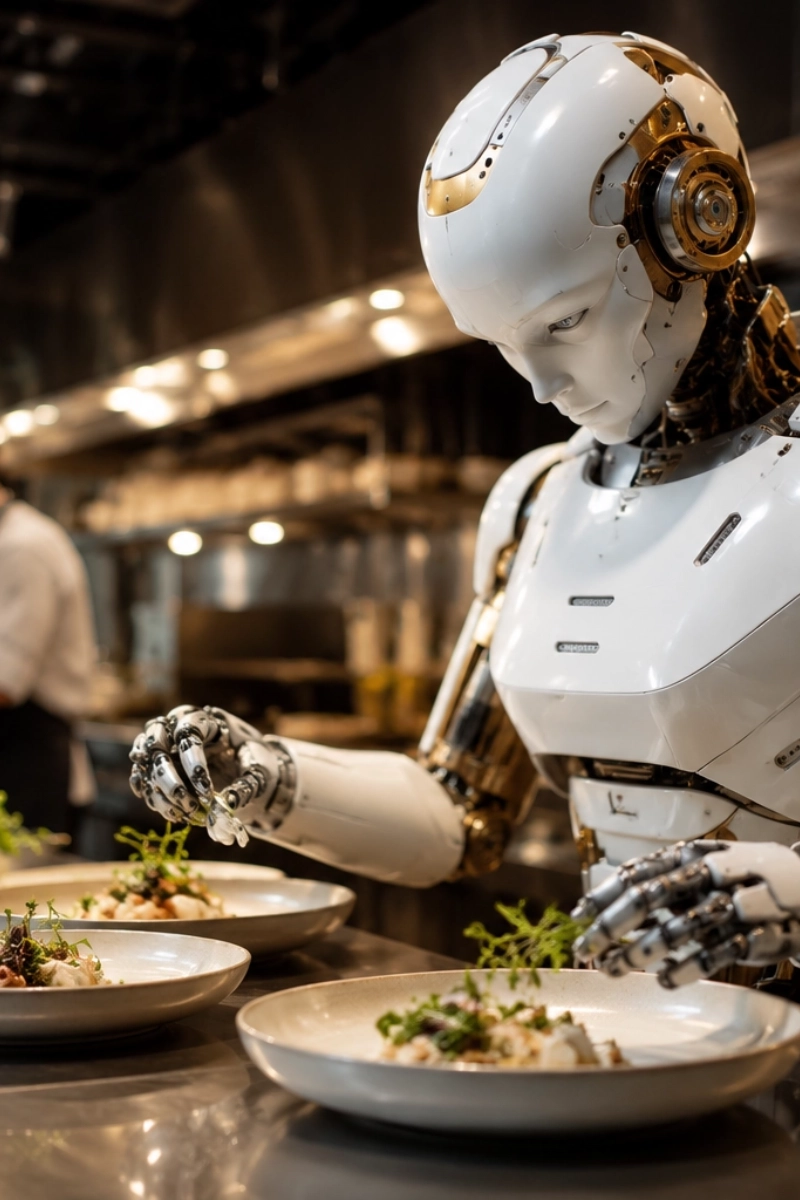
They don’t plate food, garnish dishes, manage complaints, or provide the personal touch that defines a restaurant’s style. Robots should not be relied on for allergen or other safety-critical food guidance; trained staff should handle these questions. They handle transport. Your team handles everything else.
How AIsirRobot Supports Foodservice Projects
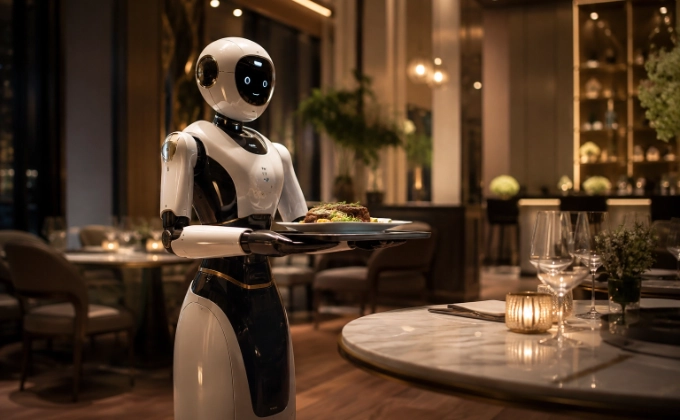
- Venue and workflow information review
- Tray count, payload, stability, navigation, and handoff comparison
- Supplier coordination for POS or call-button integration, cleaning guidance, and configuration
- Documentation, shipping, and after-sales coordination
- On-site setup and training handled by confirmed partners when included in the project scope
- Food-contact and food-safety requirements must be confirmed by the customer with the manufacturer and qualified local professionals or authorities as applicable

The more we know about your venue, layout, and service flow, the faster we can evaluate suitable options.
-
 Restaurant type and floor plan
-
Tray, plate, and bowl details
-
Peak orders or deliveries per hour
-
Aisle width and floor conditions
-
Existing POS or call system
-
Kitchen pass, tables, and return station locations
-
Venue photos or videos