

 Contact Us

 Home /

Robots for Hotels & Hospitality
AIsirRobot helps hotel operators match robots to their property, service flow, and building systems — and coordinate configuration, delivery, and ongoing support.
Consider a night manager at a large hotel. Between midnight and early morning, several calls come in — towels, water, a late-night order, a question about the gym. Each request sends a staff member down a long corridor. By morning, the night audit is behind schedule.
Hotels run 24 hours. Room service, amenity delivery, linen transport, front-desk inquiries, and public-area cleaning create a steady stream of repetitive tasks. Robots can support some of these — but hotel deployments involve unique challenges that warehouses and restaurants don’t face: elevators, access control, guest notification, carpet and threshold conditions, noise sensitivity, and privacy expectations.
What Hotel Operators Deal With
Hotel Areas and Robot Applications
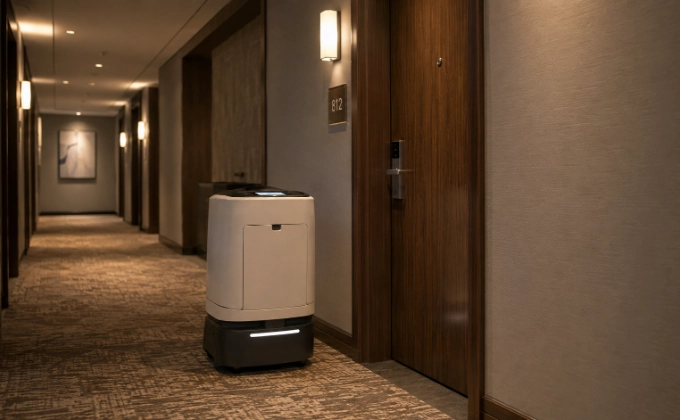
Guest Room Floors
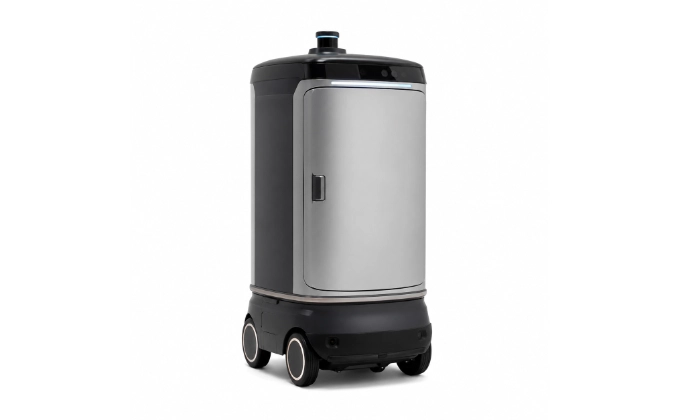
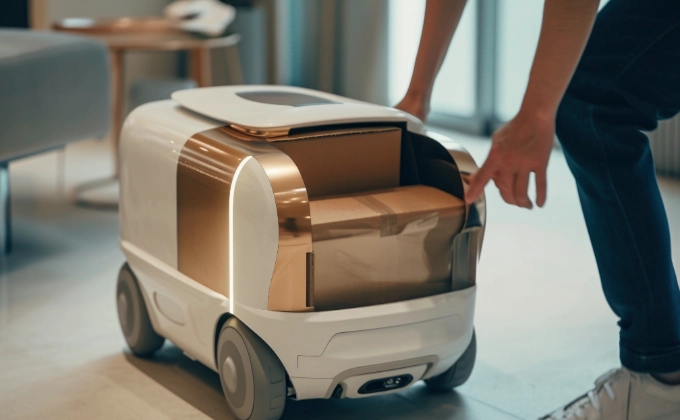
Enclosed or lockable cabin delivery robots transport items to guest room doors. They do not enter guest rooms. Guest or staff pickup occurs at the door.
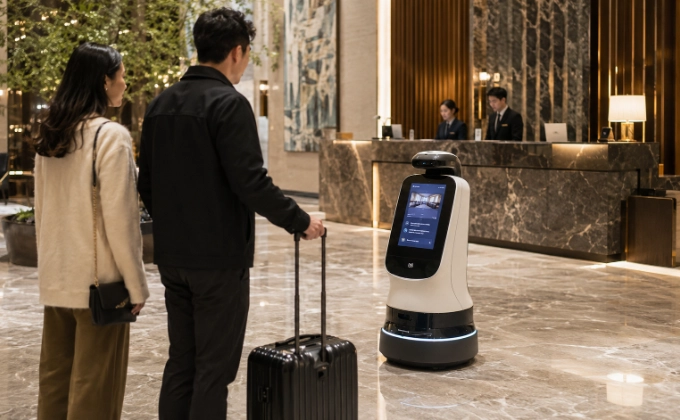
Lobby and Reception
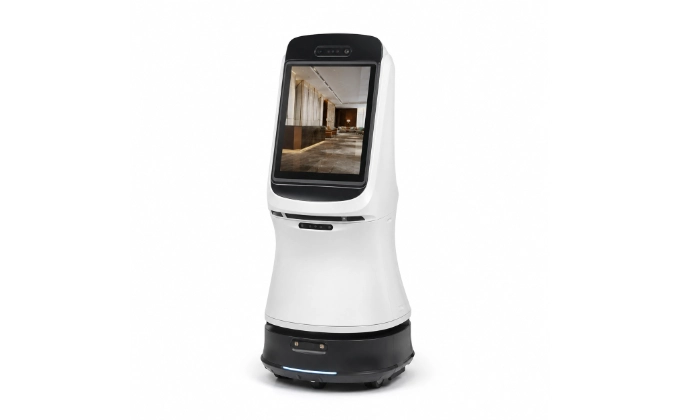
Guide robots welcome guests, provide directions, and answer common questions. They support front-desk staff — they do not handle check-in, identity verification, or access authorization. Multi-language support, content customization, and integration with hotel systems vary by model.
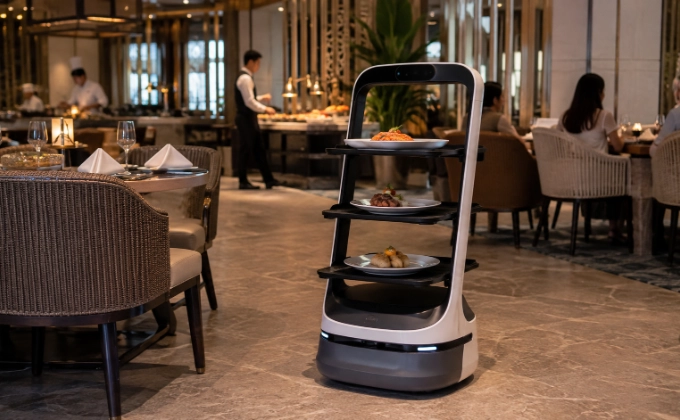
Restaurant and Banquet Areas
Open-tray foodservice robots can support kitchen-to-table delivery in hotel restaurants. Banquet support depends on venue layout and service flow. They are less suited for corridor delivery where item protection and guest privacy matter more.
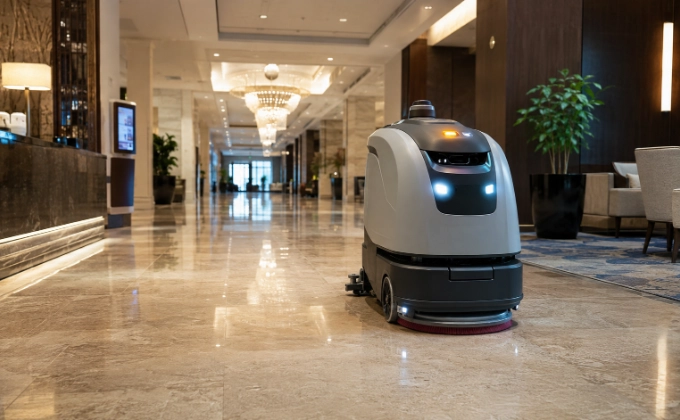
Public Corridors and Common Areas
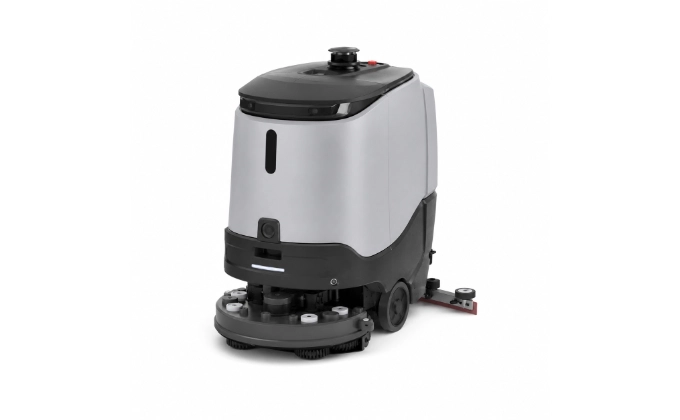
Commercial cleaning robots can cover lobby floors, corridors, and common areas autonomously. Carpet cleaning capability, if needed, must be confirmed for the specific model. Coverage reporting helps facility teams track cleaning coverage and task completion.
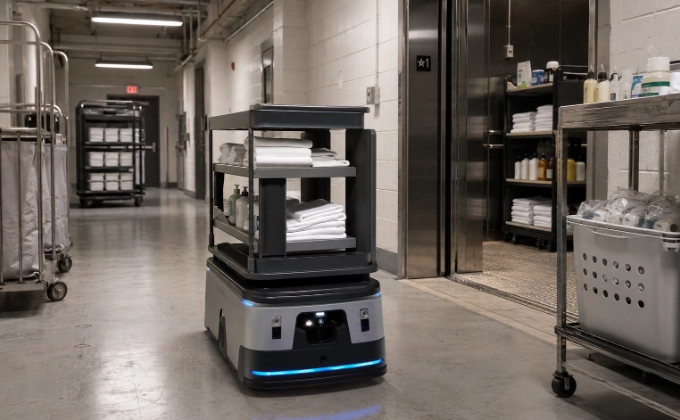
Back-of-House Service Routes
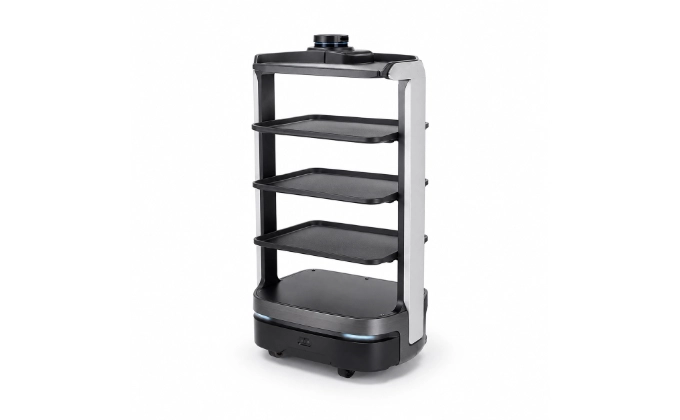
Robots in parking garages or outdoor areas require specific environmental ratings. Not all models AMRs or transport robots can move linens, amenities, and supplies between back-of-house areas — kitchen, storage, laundry, and service elevators. Cart interface and elevator integration are typically required. These routes are typically less crowded and more predictable.designed for these conditions — availability must be confirmed.
Robot Categories Commonly Considered
A Typical Hotel Deployment Plan
Hotel Site Readiness Checklist
| Factor | What to Check |
| Hotel type and floors | Property type, number of floors, guest room count |
| Elevator | Brand, control system, cabin size, landing accuracy |
| Corridors | Width, carpet type, thresholds, ramps, automatic doors |
| Access control | Where robots are allowed and not allowed |
| Guest notification | Phone, SMS, app, screen, or intercom — what is available |
| Network | Wi‑Fi or mobile coverage on all operating floors |
| Charging | Available locations, distance from service areas |
| Noise | Night‑time noise limits, guest room sound insulation |
| Privacy | Cameras, microphones, data storage, and privacy policy requirements |
Guest Privacy, Security, and Service Boundaries
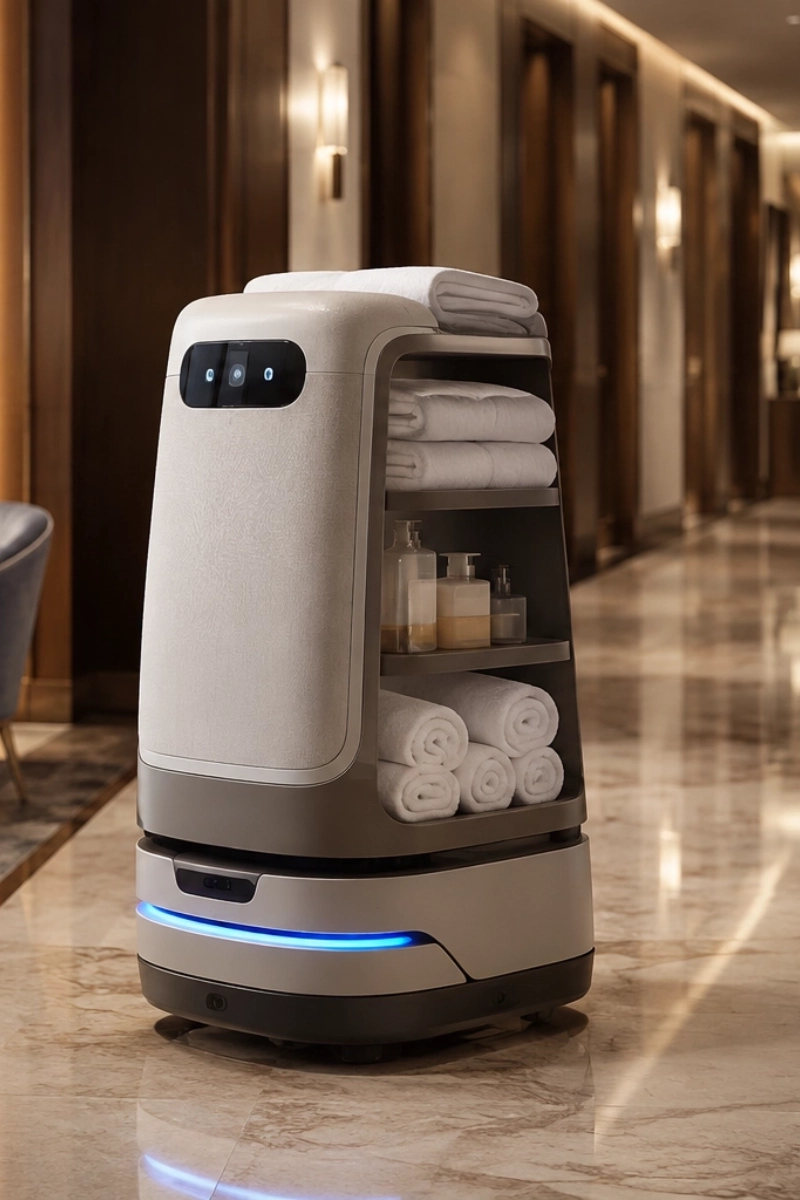
Guest Notification and Unattended Delivery
If a guest does not respond, the robot needs a defined timeout and return procedure. Unattended delivery at a room door may not be acceptable in all properties — confirm with your operations team.
Camera and Microphone Settings
Robots with cameras or microphones may collect or process data. Data storage, retention, and access policies should be reviewed. Compliance with local privacy regulations is the responsibility of the hotel operator.
Access-Control Boundaries
Robots should not enter staff-only areas, security zones, or guest rooms without explicit authorization. Access permissions must be configured per building and per project.
Security and Emergency Escalation
Robots do not perform security patrols, identity verification, or emergency response. All security and emergency situations must be handled by hotel security staff and established procedures.
Human Service Handover
When a guest request is complex, sensitive, or requires judgment, the robot should escalate to human staff. A clear handover process prevents guest frustration and service gaps.
How AIsirRobot Supports Hotel Projects
- Service-area and workflow review
- Delivery, reception, and cleaning model comparison
- Elevator, door, notification, content, and privacy requirement coordination
- Documentation, shipping, and after-sales coordination
- On-site integration and training handled by confirmed partners when included in the project scope
- Guest privacy compliance and local data protection regulations are the responsibility of the hotel operator

The more we know about your property, floors, systems, and service flow, the faster we can evaluate suitable options.
-
 Hotel type, number of floors, and floor plan
-
Primary robot tasks
-
Elevator and door access details
-
Corridor widths and floor surfaces
-
Room notification or hotel system details
-
Guest traffic and operating hours
-
Site photos or videos