

 Contact Us

 Home /

Customization Coordination
Need changes to a robot’s appearance, configuration, or accessories before it ships? Whether it is a logo on the chassis, a different tray count, a specific cabin size, or a custom top module, AIsirRobot helps organize your customization requirements and coordinate feasibility, cost, and lead time with the manufacturer.
Who This Service Is For

Buyers Needing Brand or Appearance Changes
You want your company logo, brand colors, or custom decals applied to the robot before delivery. You need to know what is possible, what the minimum order is, and how it affects lead time.

Buyers Needing Hardware Configuration Changes
You need a different tray count, cabin size, top module, towing interface, or end-effector configuration than the standard model offers. You need to confirm whether the manufacturer can provide these options.

Buyers Needing Product Configuration for Specific Markets
You need specific packaging, labeling, language settings, or documentation for your destination market. You want to coordinate these requirements before the order is placed.
Common Problems Buyers Face
Unclear Customization Scope
Not everything can be changed. Some modifications are standard options from the manufacturer; others require engineering work, minimum order quantities, or are simply not available. Without knowing the boundaries, buyers waste time requesting changes that cannot be done.

Customization vs. Integration Confusion
Changing a tray count or adding a logo is product customization. Connecting the robot to a WMS or programming a new workflow is system integration. These are different processes handled by different parties. Confusing them leads to wrong expectations.
Cost and Lead Time Unknowns
Customization can affect unit price, tooling cost, and production schedule. Without early coordination with the manufacturer, buyers may discover added costs or delays only after placing the order.
Minimum Order Quantity Gaps
Some customizations — such as custom colors, custom packaging, or OEM branding — may require a minimum order quantity that exceeds the buyer’s initial purchase volume. Confirming MOQ early helps avoid wasted effort.
What We Help Coordinate
Feasibility and Cost Feedback
We collect your customization requirements and send them to the manufacturer for feasibility review. The manufacturer provides feedback on what is possible, what the cost impact is, and how the lead time changes. We relay this information to you.
How the Process Works
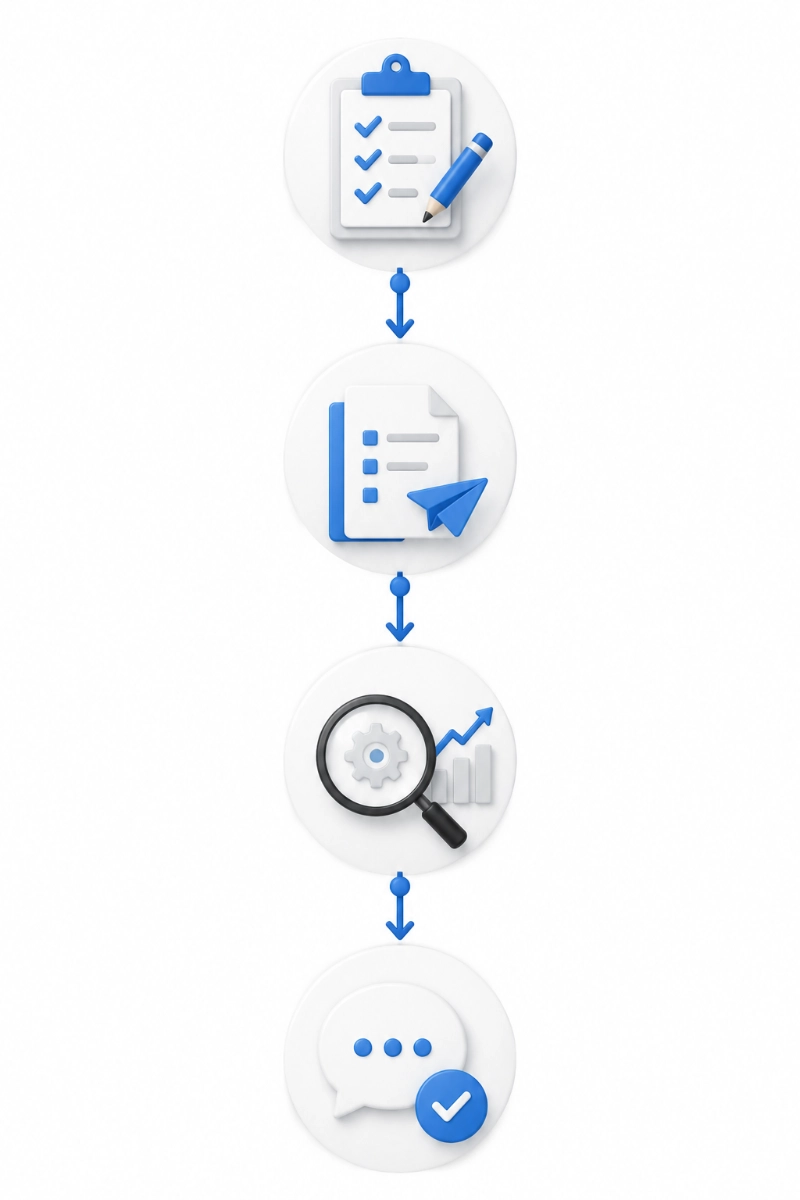
1. You Send Your Requirements
List the changes you need — appearance, hardware, configuration, packaging, or labeling. Photos, reference images, or samples help clarify what you want.
02 We Organize and Submit
We organize your requirements into a structured customization request and submit it to the relevant manufacturer.
03 Manufacturer Reviews
The manufacturer reviews feasibility, cost impact, MOQ, and lead time. Some requests may require engineering confirmation or sample production.
04 You Receive Feedback
We relay the manufacturer’s feedback to you — what is possible, what the cost is, and how the timeline changes. You decide whether to proceed.
Information We Need From You
| Factor | What to Provide |
|---|---|
| Base model | Which robot model you want to customize |
| Appearance changes | Logo file, brand colors, decal placement, or reference images |
| Hardware changes | Tray count, cabin size, top module, towing interface, end‑effector |
| Software configuration | Language, interface settings, pre‑loaded content |
| Packaging requirements | Retail box, mail‑order, wooden case, pallet, or custom packaging |
| Labeling | Shipping labels, compliance labels, brand labels |
| Order quantity | How many units you plan to order |
| Destination country | Where the robots will be shipped and deployed |
Typical Deliverables
Deliverables depend on the manufacturer’s response and the complexity of the requested changes.
Scope Boundaries
What AIsirRobot Does
What Requires the Manufacturer
What We Do Not Provide
Frequently Asked Questions

Send Your Customization Requirements
-
 Base model interest
-
Appearance and branding requirements
-
Hardware configuration changes
-
Packaging and labeling needs
-
Order quantity
-
Destination country