

 Contact Us


Task Assignment
A transport task may be triggered through a WMS, MES, fleet-management platform, call device, or manual interface, depending on the selected system.

Automate pallet, rack, cart, and bin transport with AMRs, autonomous forklifts, and transport robots matched to your material flow and site conditions.
AIsirRobot helps evaluate loads, routes, aisle width, floor conditions, traffic, and system requirements, then coordinates suitable models and configurations with selected suppliers.
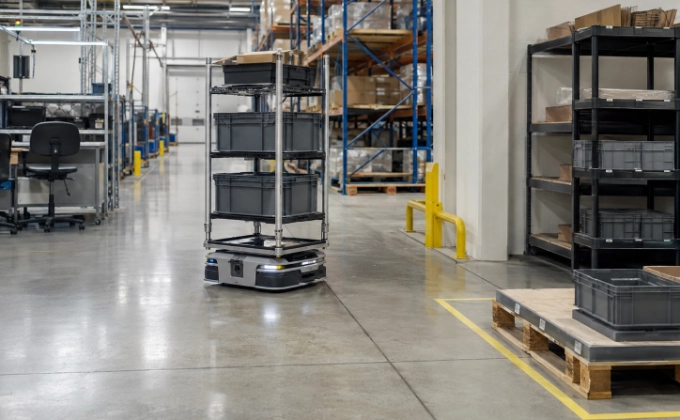
Move bins, racks, carts, or finished goods between defined pickup and delivery points. This is commonly used for repeated transfers between storage, production, staging, and shipping areas.
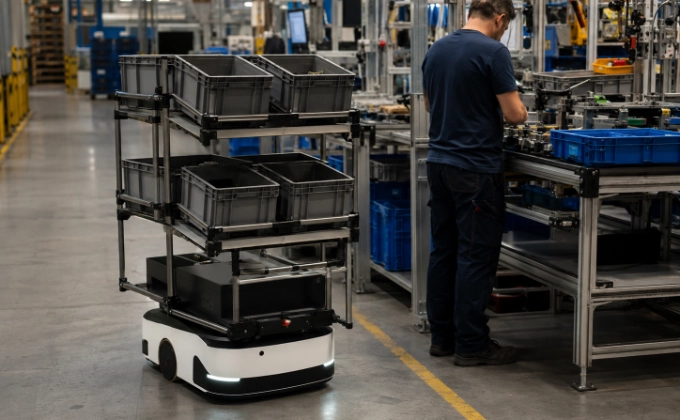
Deliver components to workstations on demand or according to a planned schedule. A suitable robot system may help reduce unnecessary manual transport and support more consistent replenishment between the warehouse and production line.
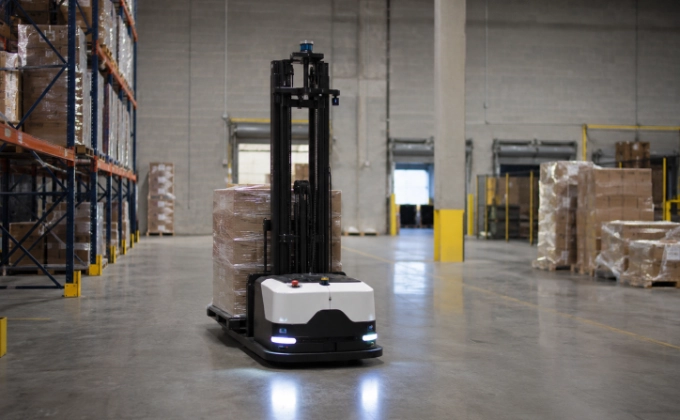
Transport standard pallets between storage, staging, production, and loading areas. Depending on the selected model, autonomous forklifts may support ground-level pallet transfer, stacking, and retrieval at specified lift heights.
Move roll cages, shelf carts, totes, and wheeled racks between operational zones. The robot and load interface — such as a towing hook, lift platform, or top module — must match the cart or rack design.
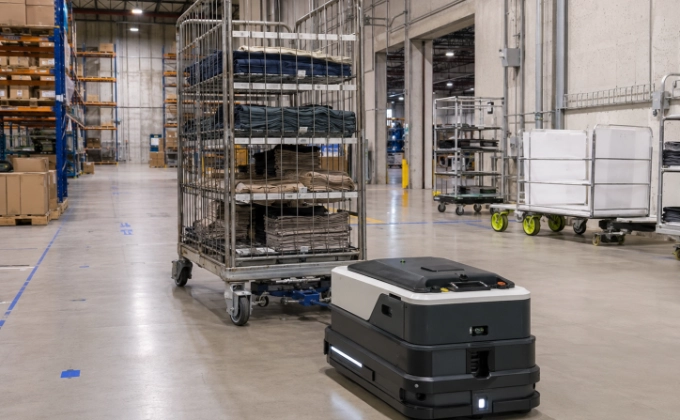
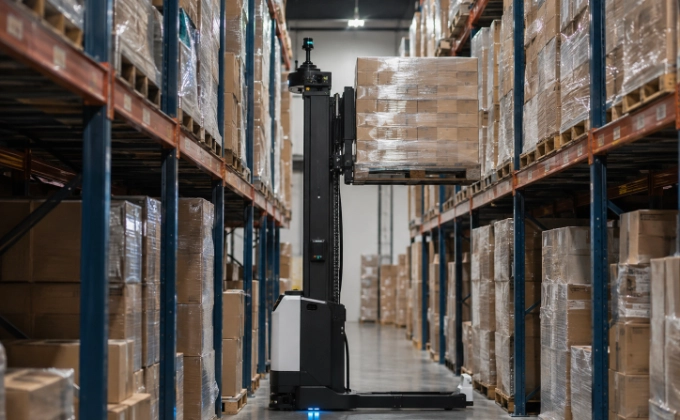
Where aisle space is limited, certain autonomous stackers may support pallet movement and retrieval. Feasibility depends on the robot dimensions, turning requirements, pallet size, lift height, and minimum clear aisle width.
Transport standard pallets between storage, staging, production, and loading areas. Depending on the selected model, autonomous forklifts may support ground-level pallet transfer, stacking, and retrieval at specified lift heights.
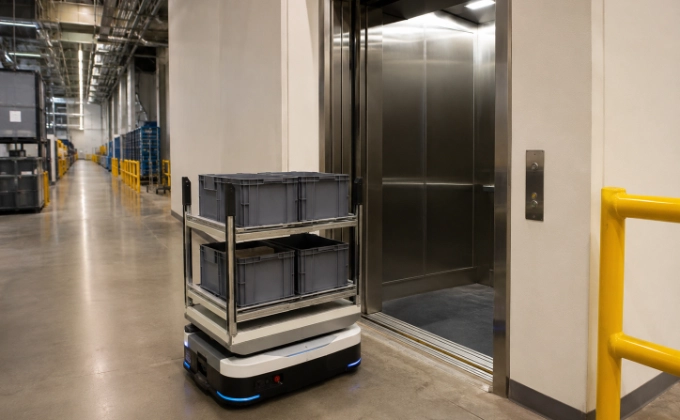
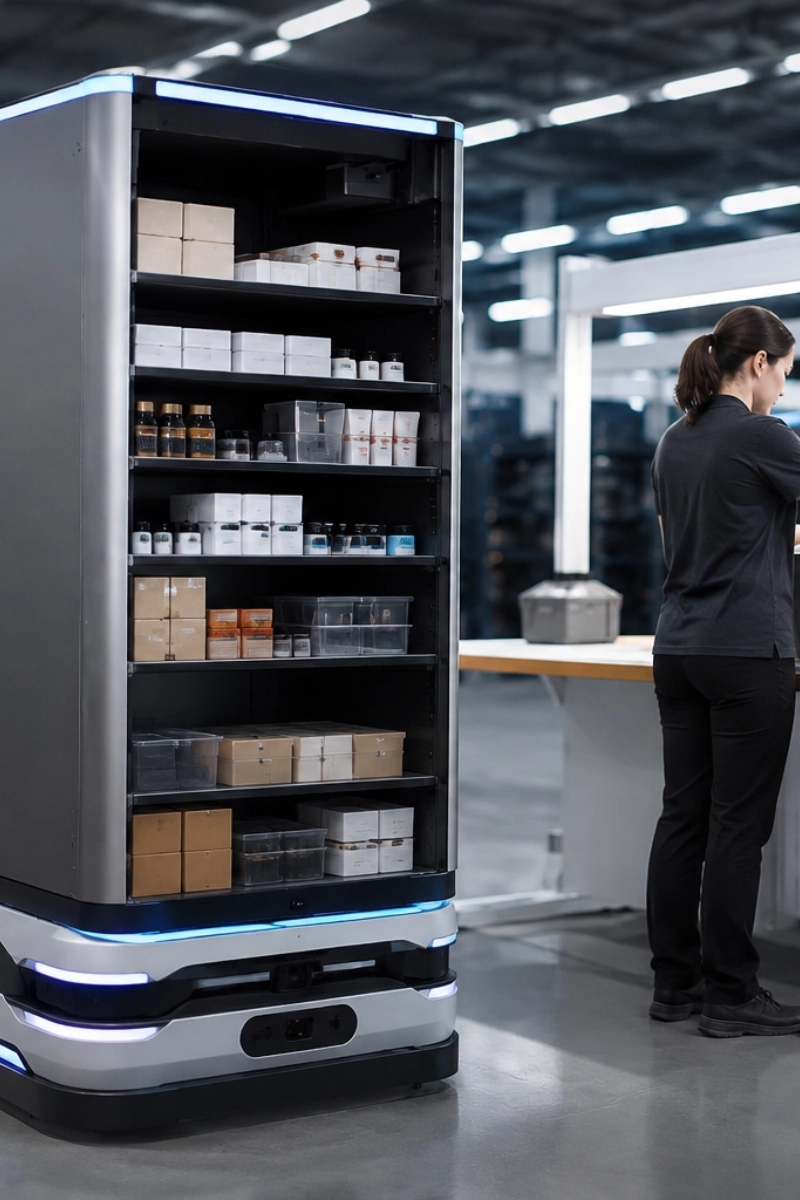
A transport task may be triggered through a WMS, MES, fleet-management platform, call device, or manual interface, depending on the selected system.
The robot follows a digital map and uses the navigation sensors supported by the selected model. These may include LiDAR, cameras, reflectors, magnetic guidance, or mixed navigation methods.
The load is engaged by a fork, lift platform, towing mechanism, conveyor top, or another compatible interface. The selected system should confirm that the load is correctly engaged before movement.
The robot travels along the planned route and responds to traffic, obstacles, doors, elevators, or other site conditions according to its confirmed sensing and integration capabilities.
At the destination, the load is placed, transferred, or released. Task confirmation and status reporting depend on the robot software and system interface.
The robot may continue to the next task, wait at a standby point, or follow an automatic or scheduled charging process, depending on the model and charging configuration.
| Robot Type | Common Uses | Typical Load Interface | Important Selection Conditions |
|---|---|---|---|
| Autonomous Mobile Robot (AMR) | Point-to-point transport, line-side delivery, rack or cart movement | Lift platform, conveyor top, towing hook, rack, or project-specific top module | Payload, docking accuracy, route width, floor condition, navigation method |
| Autonomous Forklift | Pallet transport, stacking, retrieval, and loading-area movement | Forks or pallet-handling mechanism | Pallet type, lift height, aisle width, turning space, rack design |
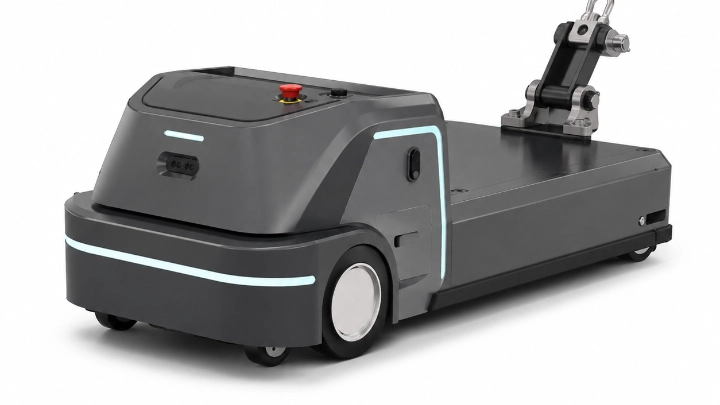
| Towing Robot | Batch transport of wheeled carts, roll cages, or cart trains | Towing hook, pin, or compatible coupling | Cart design, coupling method, train length, turning radius, route distance |
| Conveyor-Top Robot | Direct transfer to conveyors, machines, packing stations, or storage systems | Powered roller or belt conveyor | Transfer height, load direction, signal interface, docking position |
Suitable for flexible internal transport tasks where routes, load interfaces, and operating conditions match the selected model.
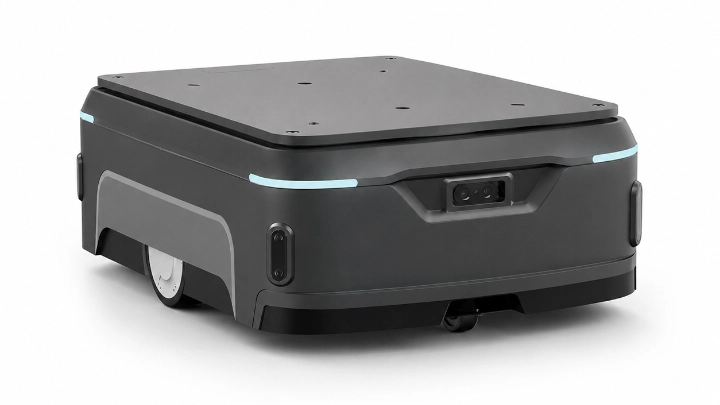
Used for towing, cart movement, and other repeated internal transport tasks, including longer routes or batch movement.
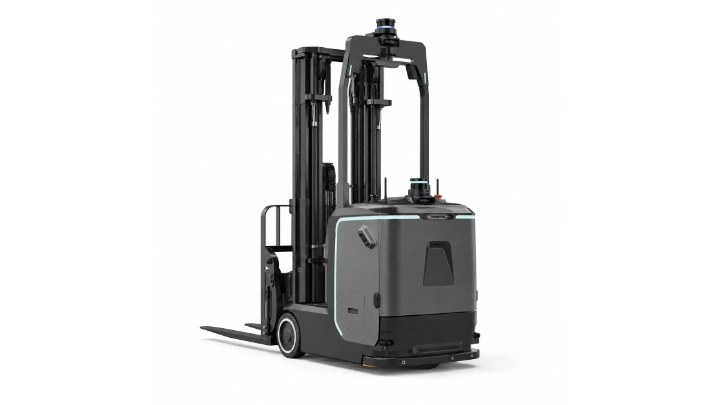
Designed for pallet movement, stacking, and retrieval in storage, staging, production, or loading areas.
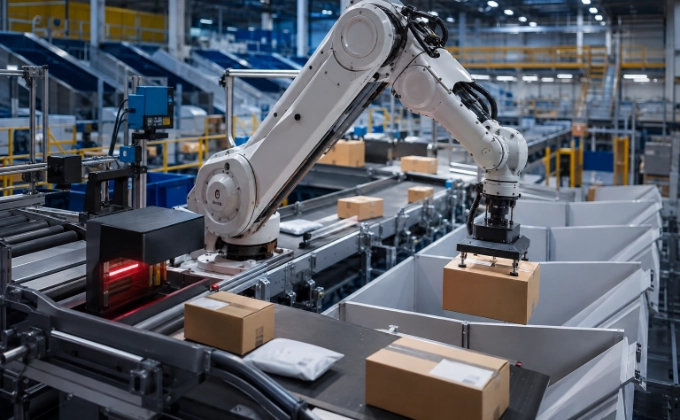
Share your layout, loads, routes, aisles, and shift pattern. We assess payload, lift height, navigation, charging, traffic, and safety requirements.
We compare suitable models by payload, lift height, navigation, docking accuracy, fleet compatibility, and charging strategy to highlight key differences.
We coordinate top modules, forks, towing interfaces, charging, fleet software, and WMS/MES, elevator, door, and conveyor integration requirements.
We coordinate product documents, export information, packaging, and delivery. Installation, integration, training, and maintenance are confirmed separately when required.
AIsirRobot is a robot product and application solution provider. We focus on model selection, supplier and configuration coordination, documentation, international delivery, and after-sales coordination. On-site integration, installation, and maintenance are handled by relevant partners when included in the confirmed project scope.
Tell us what moves through your facility and where it needs to go. The more information you provide about the load, routes, aisles, task volume, and existing systems, the faster we can evaluate suitable robot options.