

 Contact Us


Define the Task
Identify the workpiece, operation, target cycle time, quality requirements, and existing equipment. Document the part dimensions, material, weight, and handling method.

Automate welding, machine tending, assembly, palletizing, inspection, and other production tasks with robot solutions matched to your workpiece, cycle time, accuracy, and integration requirements.
AIsirRobot helps evaluate your production needs and coordinate suitable robot models and configurations with selected supplier partners.
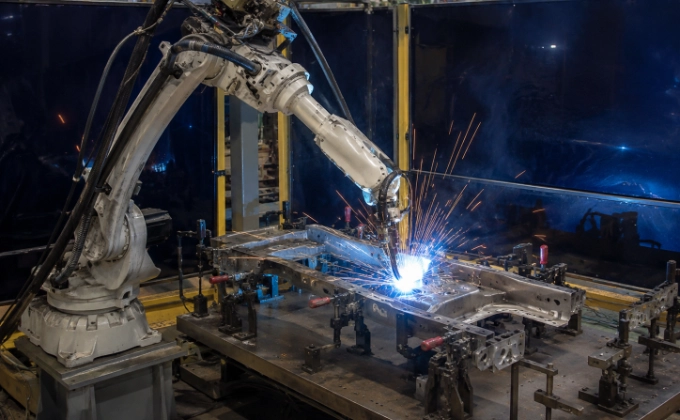
Robot welding systems can perform arc welding, spot welding, and similar joining processes. A typical welding cell may include a robot arm, welding power source, wire feeder, torch, cleaning station, fume extraction, positioner, and safety measures. The specific configuration depends on the welding process, material, joint design, and production volume.
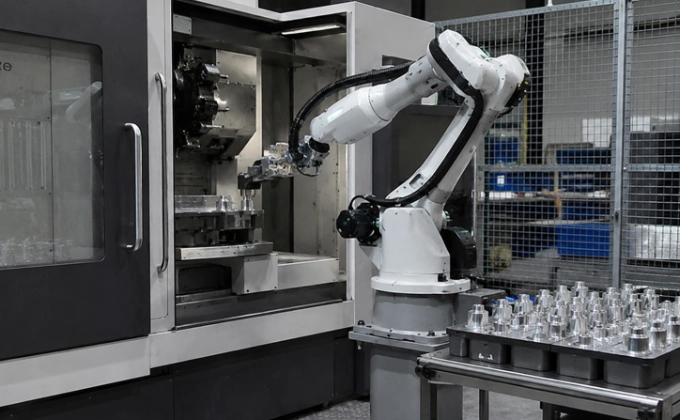
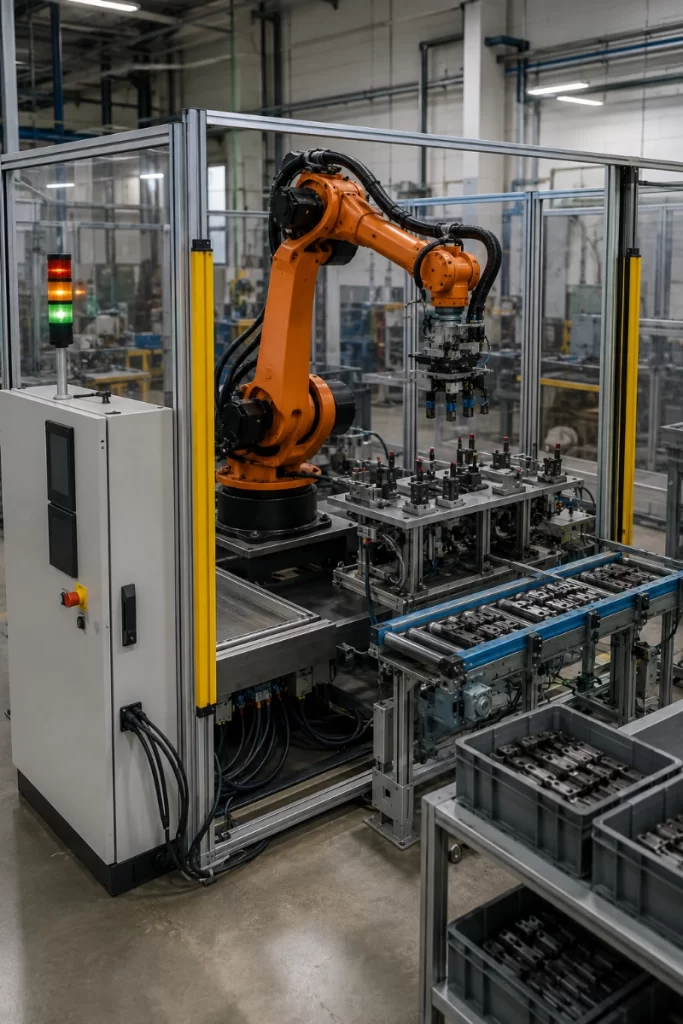
Robots load and unload CNC machines, injection molders, presses, and other equipment. The robot may use a gripper, vacuum, or custom end-effector to handle raw material, work-in-progress, or finished parts. Cycle time, part orientation, machine interface, and safety interlocks must be confirmed for each application.
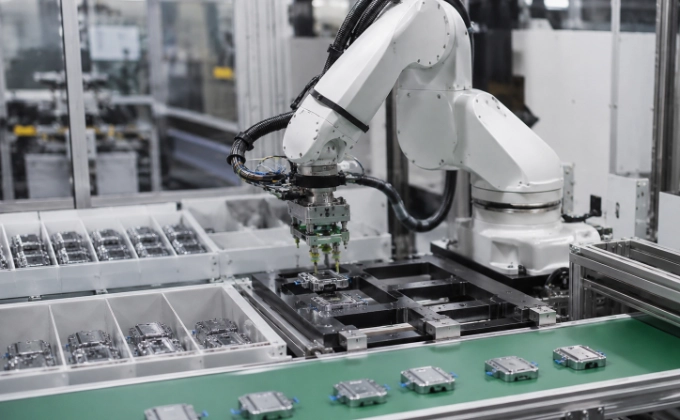
Moving parts between conveyors, trays, fixtures, or packaging stations. This is commonly used for high-speed repetitive transfers where consistent placement accuracy and cycle time are important. Gripper design, part orientation, and vision guidance depend on the workpiece characteristics.
Robots can perform pressing, inserting, screwdriving, and joining operations in assembly lines. Force control, positional accuracy, and tooling design determine whether a specific assembly step can be automated. Some assembly tasks may require vision systems or force sensors to handle part variation.
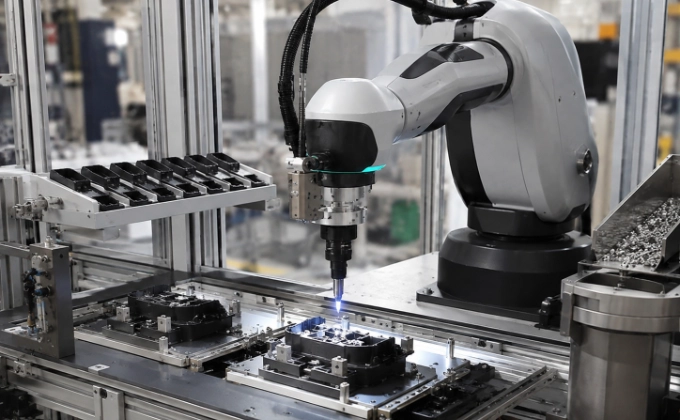
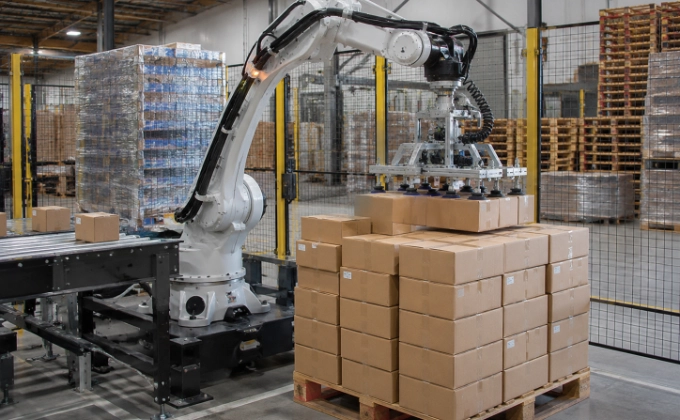
Stacking finished goods, bags, cartons, or cases onto pallets in defined patterns. A palletizing system may include the robot, gripper or vacuum tool, pallet conveyor, stretch wrapper, and safety fencing. Pattern flexibility, payload, reach, and cycle time are key selection factors.
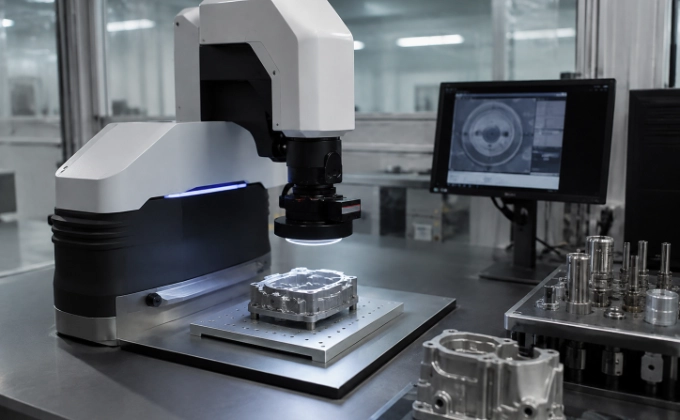
Robots equipped with cameras, sensors, or measurement probes can perform dimensional checks, surface inspection, or functional testing. The inspection method, part accessibility, and data interface determine the system configuration. Not all inspection tasks are suitable for robot-based execution.
Identify the workpiece, operation, target cycle time, quality requirements, and existing equipment. Document the part dimensions, material, weight, and handling method.
Match the robot type to the task — payload, reach, repeatability, number of axes, and mounting method. Select the end-effector based on part geometry, weight, surface characteristics, and handling requirements.
Design the fixture, workpiece presentation, and cell layout. Include safety measures, operator access points, and material flow in and out of the cell. Positioners, conveyors, or storage buffers may be needed depending on the process.
Connect the robot to machines, PLCs, safety systems, and production management software. Confirm signal interfaces, communication protocols, and safety interlocks before commissioning.
Run sample parts, validate cycle time and quality, and train operators on basic operation and maintenance. Final acceptance criteria should be agreed before the cell enters production.
Different manufacturing tasks require different robot architectures. The comparison below is a starting point; final selection depends on the workpiece, process, accuracy, and integration requirements.
| Robot Type | Common Uses | Typical End-Effector | Important Selection Conditions |
|---|---|---|---|
| Collaborative Robot | Light assembly, machine tending, pick-and-place, inspection | Gripper, vacuum, screwdriver, or process tool | Payload, reach, repeatability, force control, programming method, safety assessment |
| Welding Robot | Arc welding, spot welding, and similar joining processes | Welding torch, wire feeder, cleaning station | Payload, reach, welding process, workpiece size, positioner, fume extraction |
| Industrial Arm (Higher Payload) | Palletizing, heavy material handling, press tending | Vacuum gripper, mechanical clamp, or pallet gripper | Payload, reach, cycle time, stacking pattern, pallet size, safety fencing |
| Mobile Manipulator | Part transfer between machines, flexible line feeding | Combined arm and mobile base with gripper or tray | Payload, reach, navigation method, docking accuracy, machine interface |
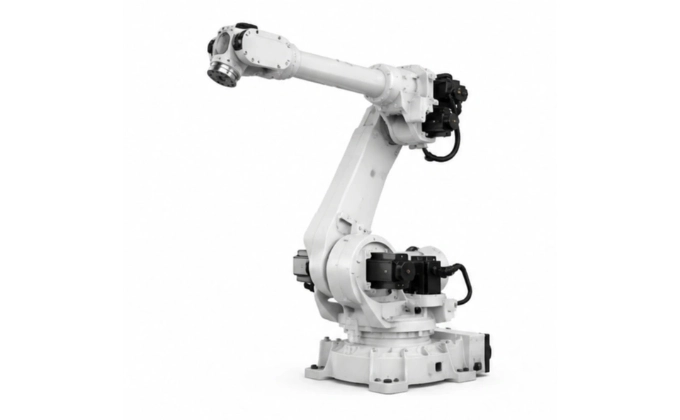
Higher-payload arms for palletizing, material handling, and press tending. Selection depends on payload, reach, cycle time, and cell safety design.
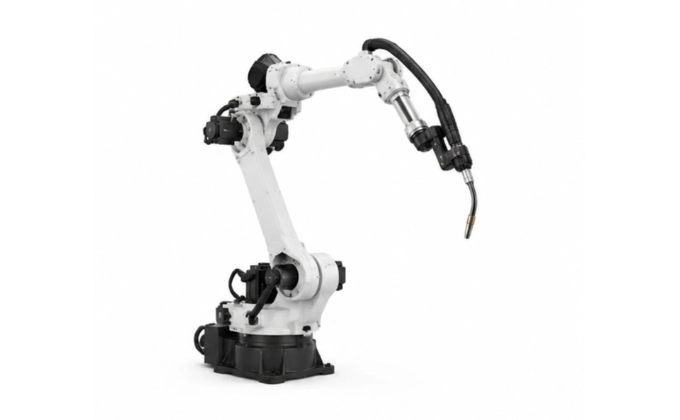
Designed for arc welding, spot welding, and similar joining tasks. Configuration depends on the welding process, material, joint geometry, and production volume.
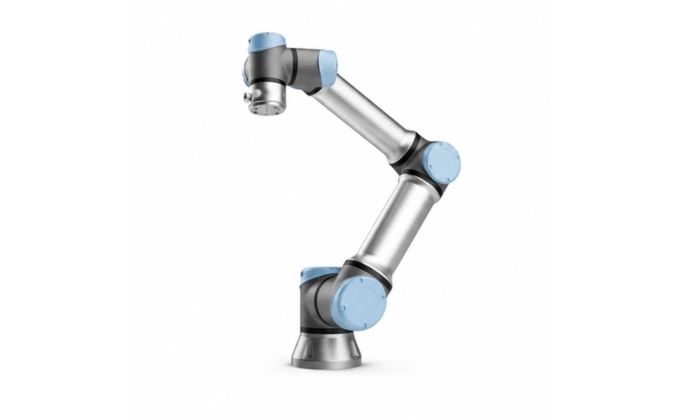
Suitable for tasks where humans and robots share the workspace, subject to risk assessment and safety configuration. Common applications include machine tending, light assembly, and pick-and-place operations.
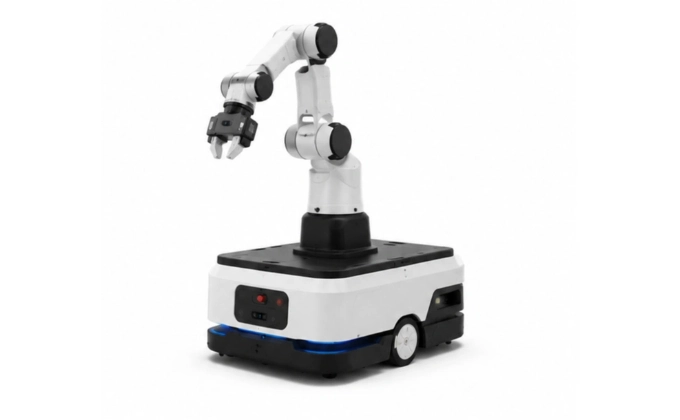
Combined mobile base and robot arm for flexible part transfer between machines or lines. Feasibility depends on navigation environment, machine interface, payload, and docking requirements.
Industrial robot deployment requires proper site preparation, safety planning, operator training, and maintenance.
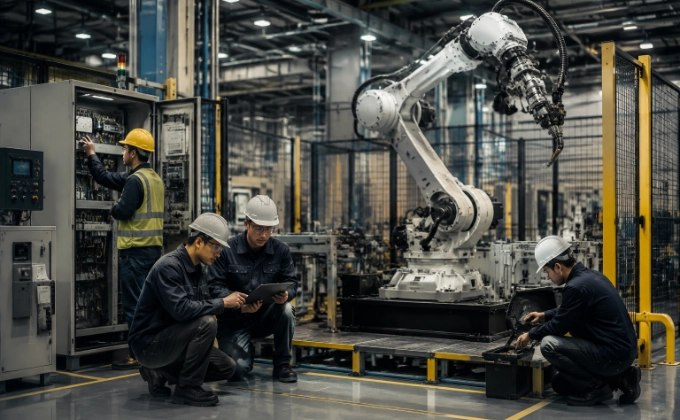
Share your workpiece, process, cycle time, and equipment details. We assess payload, reach, repeatability, tooling, fixtures, safety, and cell layout requirements.
We compare suitable models by payload, reach, repeatability, axes, mounting, programming flexibility, and safety configuration to highlight key differences and trade-offs.
We coordinate end-effectors, welding systems, vision, fixtures, safety measures, and machine interfaces with selected suppliers or integration partners.
We coordinate product documents, export information, packaging, and delivery. Installation, training, commissioning, and maintenance are confirmed separately when required.
AIsirRobot is a robot product and application solution provider. We focus on model selection, supplier and configuration coordination, documentation, international delivery, and after-sales coordination. On-site integration, installation, and maintenance are handled by relevant partners when included in the confirmed project scope.
Tell us what you need the robot to do on the production floor. The more we know about the workpiece, operation, cycle time, and existing equipment, the faster we can evaluate suitable configurations.