

 Contact Us

 Home /
 Explosion-Proof AMR Selection: What Buyers Must Resolve Before Choosing in ATEX/IECEx Environments
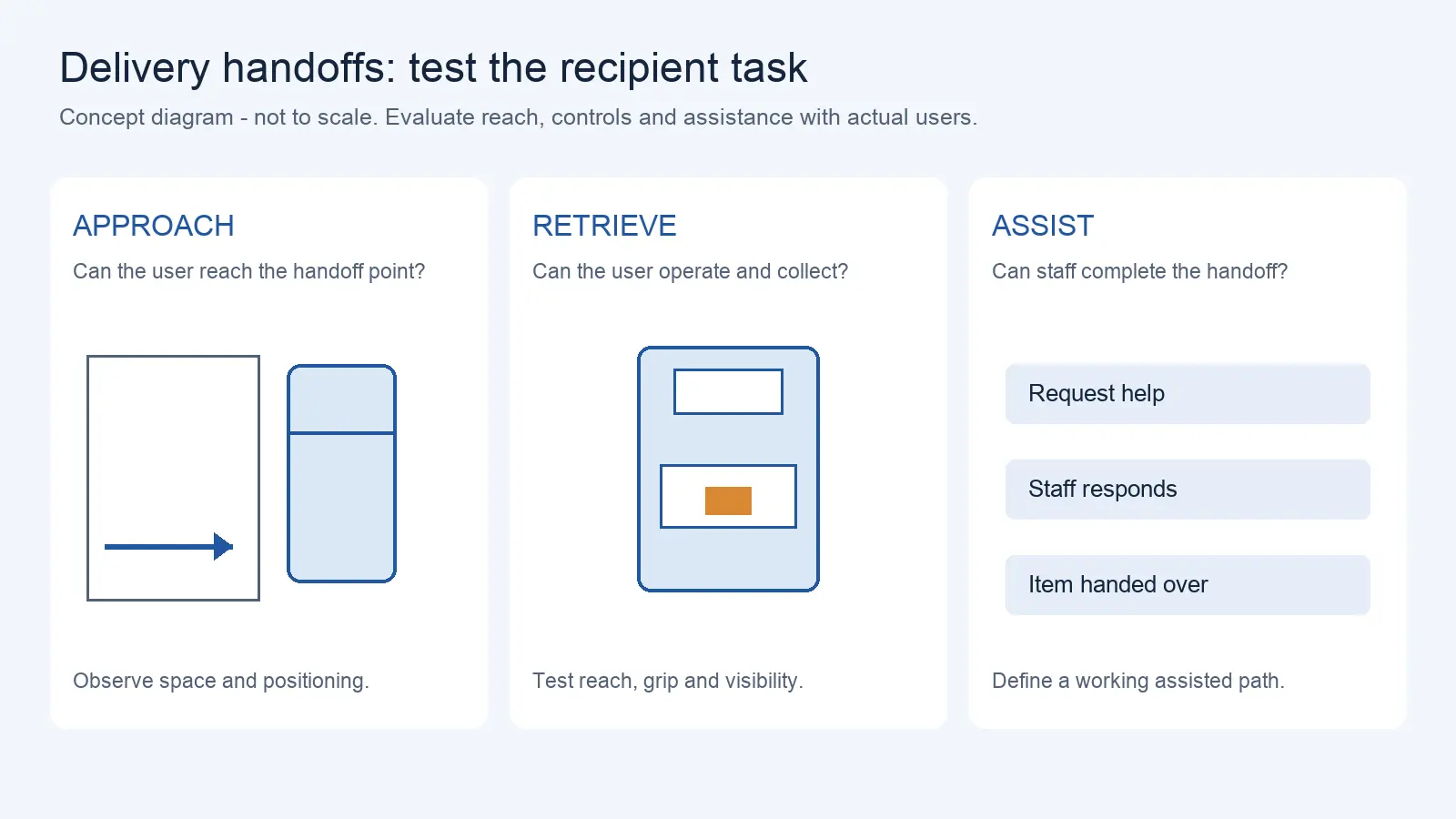
Delivery Robot Accessibility: Tray Reach, Controls, and Assisted Handoffs
Oct 12, 2026
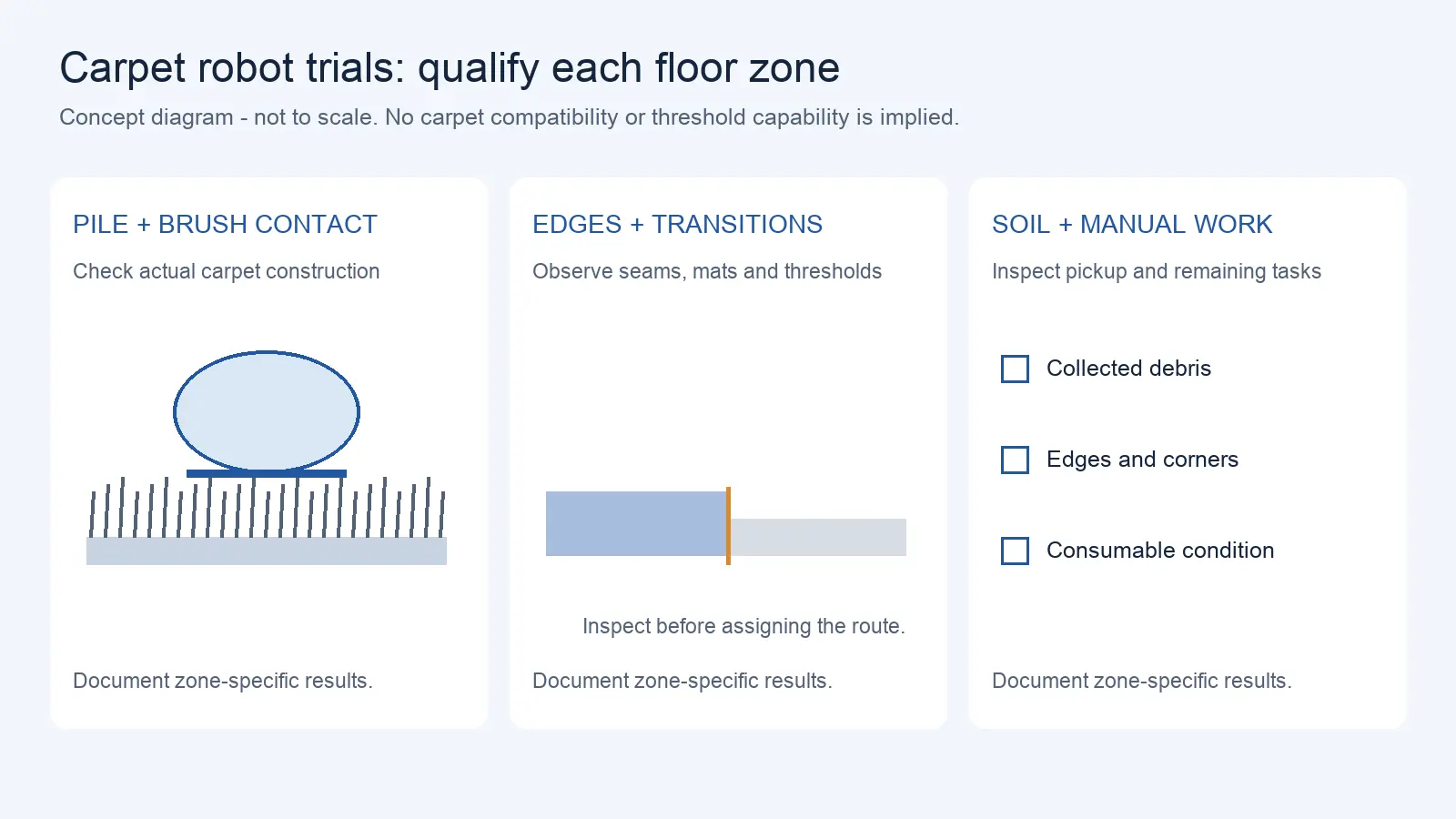
Commercial Carpet-Vacuuming Robots: Pile, Edge Transitions, and Maintenance Limits
Oct 12, 2026
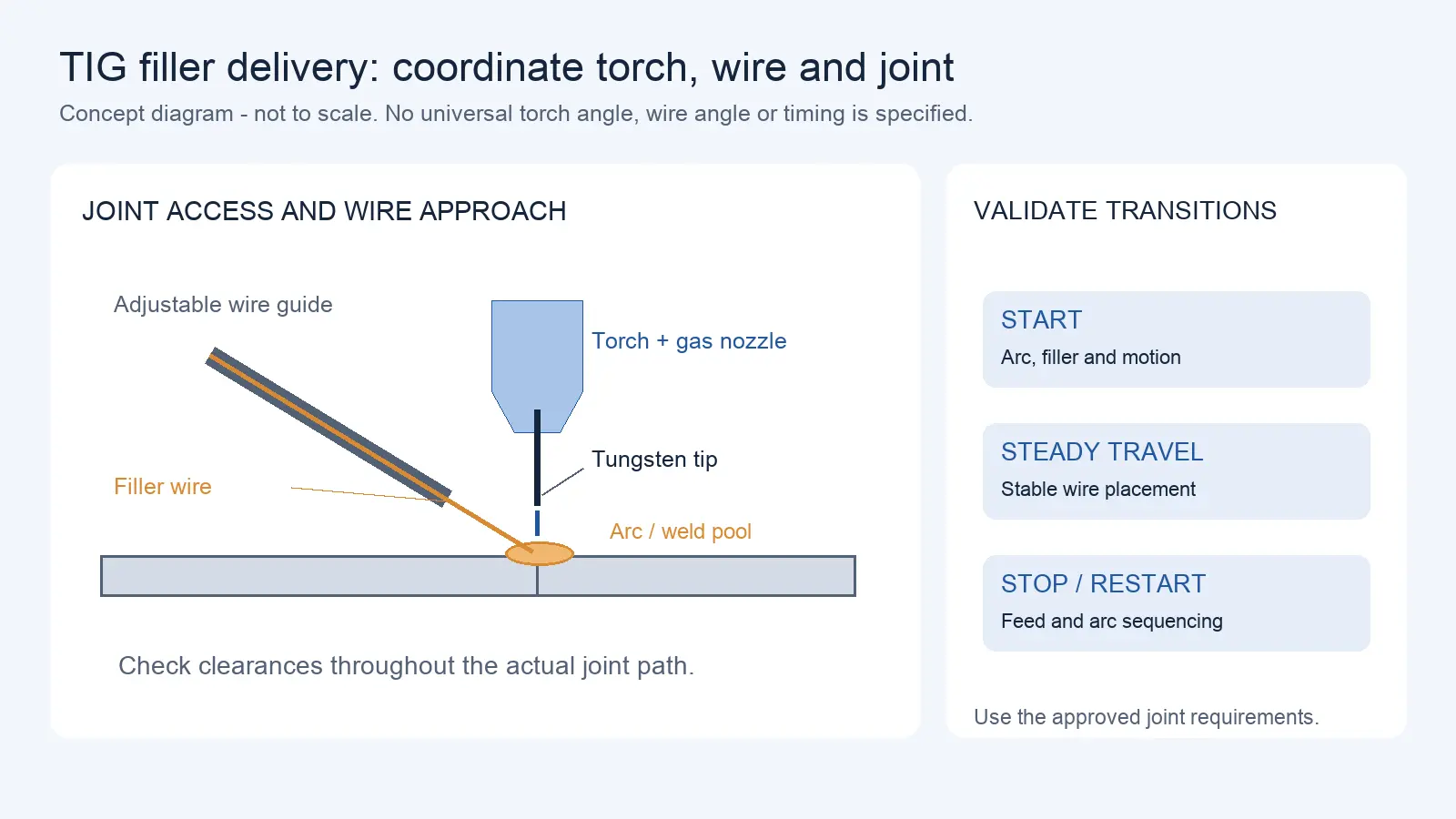
Robotic TIG Filler-Wire Delivery: Feed Angle, Arc Access, and Stop-Start Quality
Oct 12, 2026
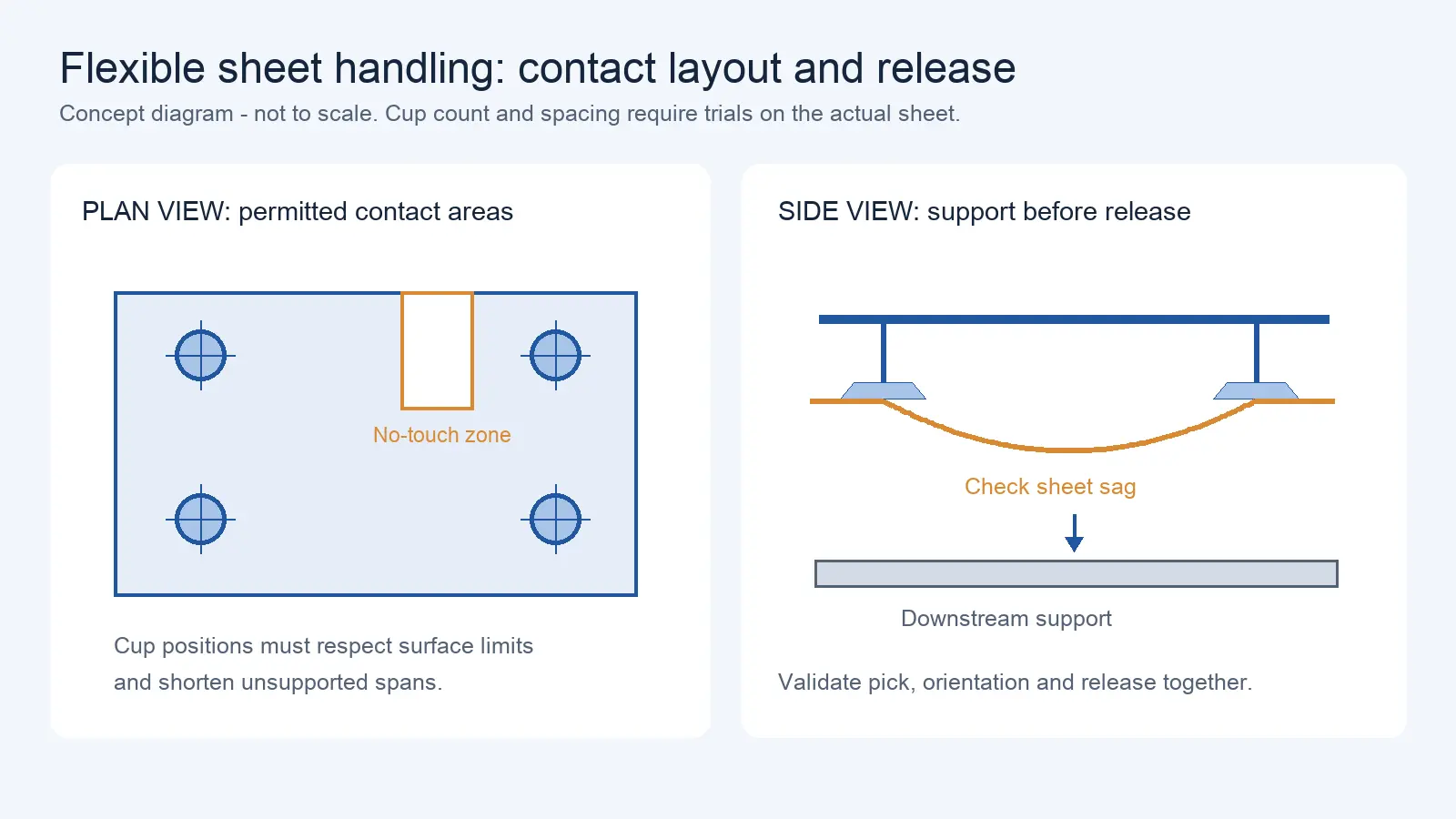
Suction Cup Layout for Flexible Sheets: Sag, Local Stress, and Controlled Release
Oct 12, 2026
Start with Hazardous Area Classification
The starting point for explosion-proof AMR selection is not looking at robot specs. It is your facility’s hazardous area classification.
Hazardous area classification is determined by a process safety engineer based on the frequency and duration of combustible substances (gases, vapors, dusts) present at the site. It defines which areas have explosion risk and the risk level — not what the robot can do.
Discussing “can this AMR be explosion-proof?” before completing area classification is meaningless. You need to know which zone the robot will operate in, what level that zone is, and what combustible substances are present — then match equipment requirements.
Area classification framework (refer to ATEX directive 2014/34/EU and IEC 60079-10-1/-10-2 for definitions; national regulations may also apply):
| System | Zone type | Definition (per standard) | Typical scenario |
| ATEX (EU) | Zone 0 | Combustible gas present continuously or for long periods | Inside sealed process vessels |
| Zone 1 | Combustible gas likely during normal operation | Near flanges, valves, sampling points | |
| Zone 2 | Combustible gas unlikely in normal operation; if present, brief | Outer process area | |
| Zone 20 | Combustible dust present continuously or for long periods | Inside dust collectors | |
| Zone 21 | Combustible dust likely during normal operation | Near unloading points, grinders | |
| Zone 22 | Combustible dust unlikely; if present, brief | Outer dust area | |
| IECEx (International) | Zone 0/1/2 | Same as ATEX gas zones | — |
| Zone 20/21/22 | Same as ATEX dust zones | — |
Zone definitions and classification methodology are specified in the relevant standards — this table is a summary. A process safety engineer must perform the actual area classification per the applicable standards.
Key judgment: Does your AMR route pass through different zones? If the route extends from Zone 2 into Zone 1, the equipment must meet Zone 1 requirements. If the route only operates in Zone 2, Zone 1-level equipment is not needed — but you must confirm the route will not be upgraded due to process changes.
ATEX and IECEx Are Not Product Feature Labels
Many buyers understand “ATEX certification” as a robot feature — like “does it have Wi-Fi?” This is a fundamental misunderstanding.
ATEX is an EU directive (2014/34/EU) defining legal requirements for equipment used in potentially explosive atmospheres. IECEx is the IEC’s certification system, technically similar to ATEX but with broader international scope. They are not “feature labels” — they are compliance systems covering the following complete chain:
- Equipment classification: Equipment group (I = mining, II = surface industry), category (1 = Zone 0/20, 2 = Zone 1/21, 3 = Zone 2/22) — refer to ATEX directive and IEC 60079-0 for definitions
- Gas group: IIA, IIB, IIC — equipment must cover the target gas; refer to IEC 60079-0 for gas group classification
- Temperature class: Equipment surface max temperature must not exceed the ignition temperature of combustible substances in the environment — refer to IEC 60079-0 and certification documents for temperature class values
- Protection type: Flameproof enclosure (d), intrinsic safety (i), increased safety (e), pressurization (p), encapsulation (m), type n — each has different engineering principles and limitations; refer to the relevant IEC 60079 series standards and certification documents for applicability
- Complete equipment vs. components: What does the certification cover — the whole machine, motors, sensors, or wiring?
Ask the supplier for the explosion-proof certificate and confirm: what equipment scope does the certificate cover? Is it whole-machine or component certification? Do the gas group and temperature class cover your environment? Is the certificate still valid?
Gas Zones vs. Dust Zones
Gas and dust explosion protection use different technical principles and cannot be interchanged.
Gas environments: Combustible gas mixes with air to form an explosive atmosphere. Protection core is preventing electrical equipment from creating ignition sources (arcs, sparks, hot surfaces). Common methods: flameproof enclosure (contains explosion within the housing), intrinsic safety (energy limited to non-igniting levels).
Dust environments: Combustible dust suspended or deposited in air creates explosion conditions. Dust protection not only prevents ignition sources but also prevents dust entering equipment (enclosure sealing grade, lower surface temperature control — dust layers reduce heat dissipation and raise surface temperature).
Mixed environments: Some processes have both combustible gas and dust (chemical, pharmaceutical) — equipment must meet both protection requirements.
Key reminder: An AMR certified for gas Zone 1 cannot be used directly in dust Zone 21. If your route passes through dust zones, confirm the equipment has dust zone certification.
Ignition Risks from Batteries, Motors, Sensors, and Connectors
In explosion-proof AMRs, every electrical and mechanical component can be an ignition source. Certification must cover the complete system, not just the main controller.
| Component | Ignition risk source | Protection measure | Procurement check |
| Battery | Short-circuit arc, overheating, venting | Flameproof enclosure, thermal management, vent path | Is the battery within certification scope? |
| Drive motor | Sparks, hot surfaces | Flameproof or non-sparking motor | Motor certification category and group? |
| Sensors (LiDAR/camera) | Internal circuit sparks, laser energy | Intrinsic safety or flameproof | Are sensors on the certified list? |
| Connectors and wiring | Arc on disconnection | Flameproof glands, intrinsic safety wiring | Does wiring method meet certification conditions? |
| Charging contacts | Spark on contact/disconnect | Charging location and contact design must follow the equipment certificate/conditions of use, OEM instructions, site hazardous-area rules, and applicable workplace requirements | Is the charging location and contact design permitted by the delivered equipment documentation and site rules? |
| Brakes | Friction heat | Surface temperature control | Surface temperature under full-load braking? |
| Tires | Static buildup | Conductive tires | Are tires anti-static type? |
Important judgment: If any component is not within the explosion-proof certification scope, the entire AMR has an ignition risk at that component. Every component on the certified list must match the actually delivered equipment — replacing any component may invalidate the certification.
Protection Methods: Flameproof, Intrinsic Safety, and Others
Protection methods determine how the equipment prevents ignition sources from igniting surrounding combustible substances. Different methods have different engineering principles, limitations, and applicable scenarios.
| Protection method | Code | Principle | Applicable to | Limitation |
| Flameproof enclosure | d | Contains explosion within housing, does not propagate | Motors, controllers, junction boxes | Heavy housing, high cost, needs cover opening for inspection |
| Intrinsic safety | i | Limits circuit energy to non-igniting levels | Sensors, communication circuits | Power-limited, not for high-power equipment |
| Increased safety | e | Enhances equipment safety to prevent sparking | Motors, terminals | Only applicable when no sparks are generated |
| Pressurization | p | Fills housing with protective gas to maintain positive pressure | Large control cabinets | Needs continuous gas supply, complex |
| Encapsulation | m | Pots circuits in solid material | Small electronic modules | Not repairable, needs full replacement |
| Type n | n | Does not produce sparks in normal operation | Zone 2 only | Not for Zone 1/0 |
Protection method definitions, applicability, and engineering requirements are specified in the relevant IEC 60079 series standards — this table is a summary. Refer to certification documents for the specific protection method of each component.
An explosion-proof AMR may use multiple protection methods simultaneously — flameproof motors, intrinsic safety sensors, encapsulated communication circuits. Request a complete explosion-proof equipment list (including each component’s protection method, certification number, and applicable zone).
What Part of the AMR System Does Certification Cover
Certification scope is the most commonly misjudged aspect in procurement.
Whole-machine certification: The entire AMR is certified as a system, with all components on the certified list. This is ideal — but in practice, many “explosion-proof AMRs” have only partial component certification.
Component certification: Motors, controllers, and other key components are individually certified, but the whole system lacks overall certification. In this case, the connection methods, wiring paths, and installation conditions between components must strictly follow certification conditions — otherwise the overall certification is invalid.
Boundary issues:
- Is the charging station within certification scope? Charging stations are typically installed in non-hazardous areas, but if the route passes through hazardous areas, the charging station location must be clear.
- Is the top module within certification scope? Adding a non-certified lift or roller module may void the explosion-proof rating.
- Is certification still valid after maintenance and component replacement? Replacing tires, sensors, batteries must use equivalent models from the certified list.
Request the complete Ex component list, confirming each component’s certification number, protection method, and applicable zone. Confirm the rules for any component replacement — whether equivalent alternatives are allowed or only specified models from the certified list.
Maintenance, Charging, and Service Area Boundaries
The permitted charging, maintenance, opening, connection, and component-replacement conditions must follow the delivered equipment’s certificate/marking, conditions of use, OEM instructions, site hazardous-area rules, and applicable workplace requirements. A non-hazardous service area is a common design choice, not a universal rule.
What to confirm during procurement:
- Which maintenance operations require a non-hazardous area? (Cover opening, battery replacement, electrical connection/disconnection, component replacement.)
- Where is the charging station permitted? Confirm the charging station location and any certification requirements for charging contacts.
- What are the approved failure recovery procedures within a hazardous area? (Towing, manual push, manual release — confirm spark risk and permitted actions.)
- What are the component replacement rules? Confirm whether equivalent alternatives are allowed or only specified models from the certified list.
- What are the conditions for returning to operation after maintenance? (Reset, inspection, recertification if applicable.)
Hazardous Area RFQ Checklist
Use this checklist during inquiry to systematically define explosion-proof AMR requirements.
Hazardous Area Requirements Table
| Requirement dimension | Buyer fills in | Supplier confirms | Notes |
| Area classification | |||
| Hazardous zones on AMR route | ☐ Zone 0 ☐ Zone 1 ☐ Zone 2 ☐ Zone 20 ☐ Zone 21 ☐ Zone 22 | Confirm equipment applicable zones | Determined by process safety engineer |
| Combustible substance type | ☐ Gas ☐ Dust ☐ Mixed | Confirm gas/dust group | |
| Specific combustible substance name | _____ | Confirm equipment covers this substance | |
| Gas group | ☐ IIA ☐ IIB ☐ IIC | Confirm equipment gas group | |
| Temperature class requirement | ☐ T1 ☐ T2 ☐ T3 ☐ T4 ☐ T5 ☐ T6 | Confirm equipment temperature class | |
| Certification scope | |||
| Certification system | ☐ ATEX ☐ IECEx ☐ Other | Provide certificate number and validity | |
| Certification coverage | ☐ Whole machine ☐ Partial components | Provide Ex equipment list | |
| Battery certification status | _____ | Confirm battery on certified list | |
| Sensor certification status | _____ | Confirm each sensor on list | |
| Top module certification status | _____ | Confirm module on certified list | |
| Protection method | |||
| Main controller protection method | _____ | Confirm method and zone | |
| Motor protection method | _____ | ||
| Sensor protection method | _____ | ||
| Connector protection method | _____ | ||
| Maintenance and charging | |||
| Charging station location | ☐ Non-hazardous ☐ Requires supplier confirmation | Confirm charging station certification | |
| Maintenance area requirements | _____ | Confirm cover opening/maintenance conditions | |
| Component replacement rules | _____ | Confirm replaceable component list | |
| Failure recovery plan | _____ | Confirm safe recovery method in hazardous area | |
| Evidence | |||
| Explosion-proof certificate | — | Provide full certificate copy | |
| Ex equipment list | — | Provide complete list | |
| Installation condition documentation | — | Provide installation requirements under certification | |
| Temperature test data | — | Provide surface temperature data under full load |
Need to Screen an AMR for a Hazardous Area?
Explosion-protected AMR selection starts with the site classification and the delivered certification scope. We can help organize the technical information needed before supplier comparison.
Please share, if available: zone classification, gas or dust type, substance name, gas or dust group, temperature class, route boundaries, top-module needs, charging location, and target market.
Send Hazardous-Area DataHazardous Area RFQ Inputs
- Do area classification first, then select equipment — a process safety engineer determines the hazardous zone levels and combustible substances on the route.
- Confirm gas group and temperature class cover your environment — not all explosion-proof AMRs suit all combustible substances.
- Request the complete Ex equipment list — confirm every component is within certification scope, not just the main controller.
- Confirm whether certification covers the whole machine or partial components — component-certified machines require strict installation per certification conditions.
- Charging and maintenance conditions must follow the equipment certificate and site rules — confirm the permitted charging location, maintenance area, and component replacement rules upfront.
- Component replacement rules must be confirmed upfront — replacing tires, sensors, batteries must follow the certified-list rules; any component change may invalidate certification.
- Any component change may invalidate certification — do not add non-original modules without confirming explosion-proof compatibility.
Share on Social:


Contact Us
In This Article
Delivery Robot Accessibility: Tray Reach, Controls, and Assisted Handoffs
Oct 12, 2026
Commercial Carpet-Vacuuming Robots: Pile, Edge Transitions, and Maintenance Limits
Oct 12, 2026
Robotic TIG Filler-Wire Delivery: Feed Angle, Arc Access, and Stop-Start Quality
Oct 12, 2026
Suction Cup Layout for Flexible Sheets: Sag, Local Stress, and Controlled Release
Oct 12, 2026