

 Contact Us

 Home /
 How to Compare Robot Vendors: A Requirement-Based Scorecard
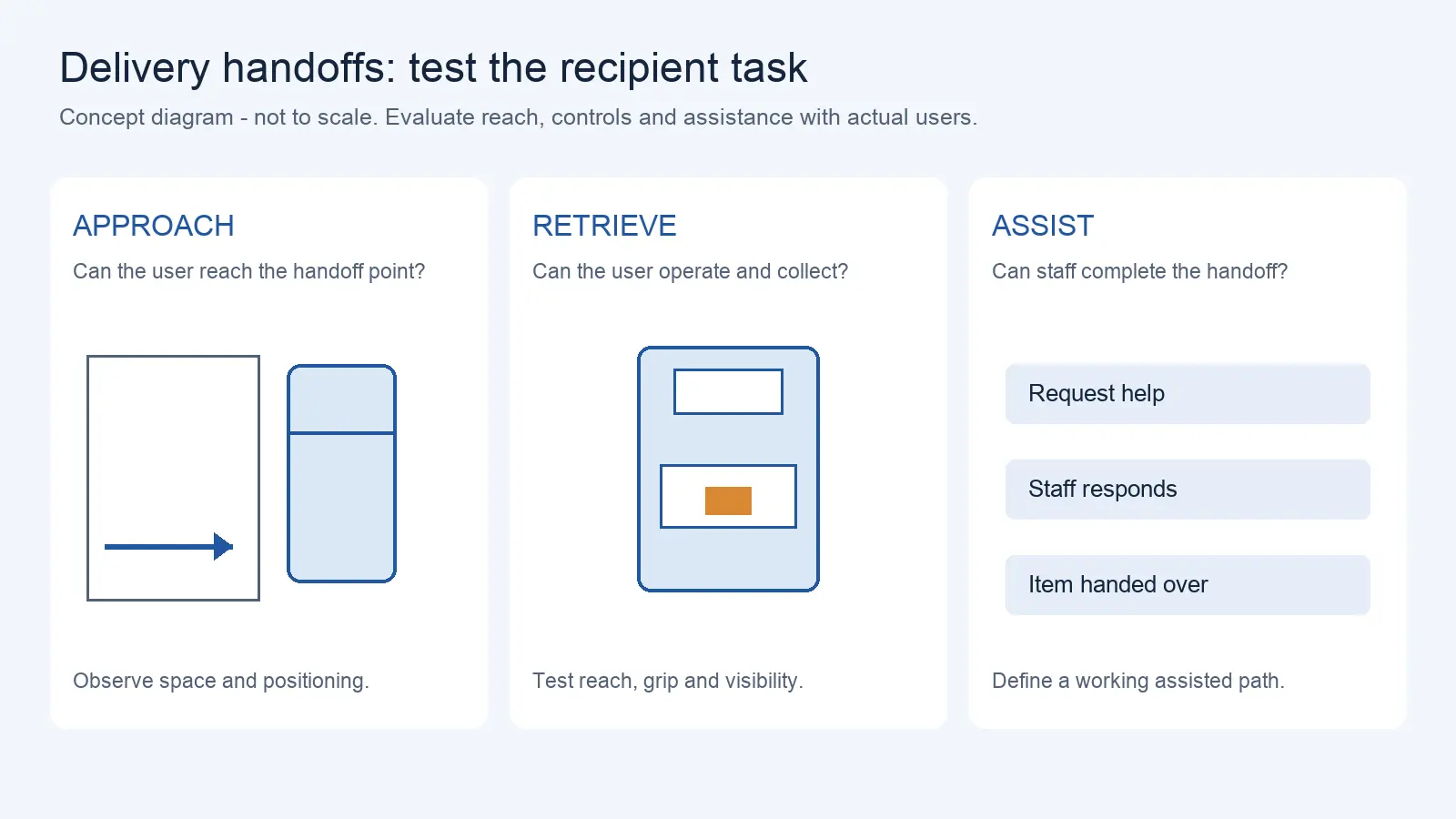
Delivery Robot Accessibility: Tray Reach, Controls, and Assisted Handoffs
Oct 12, 2026
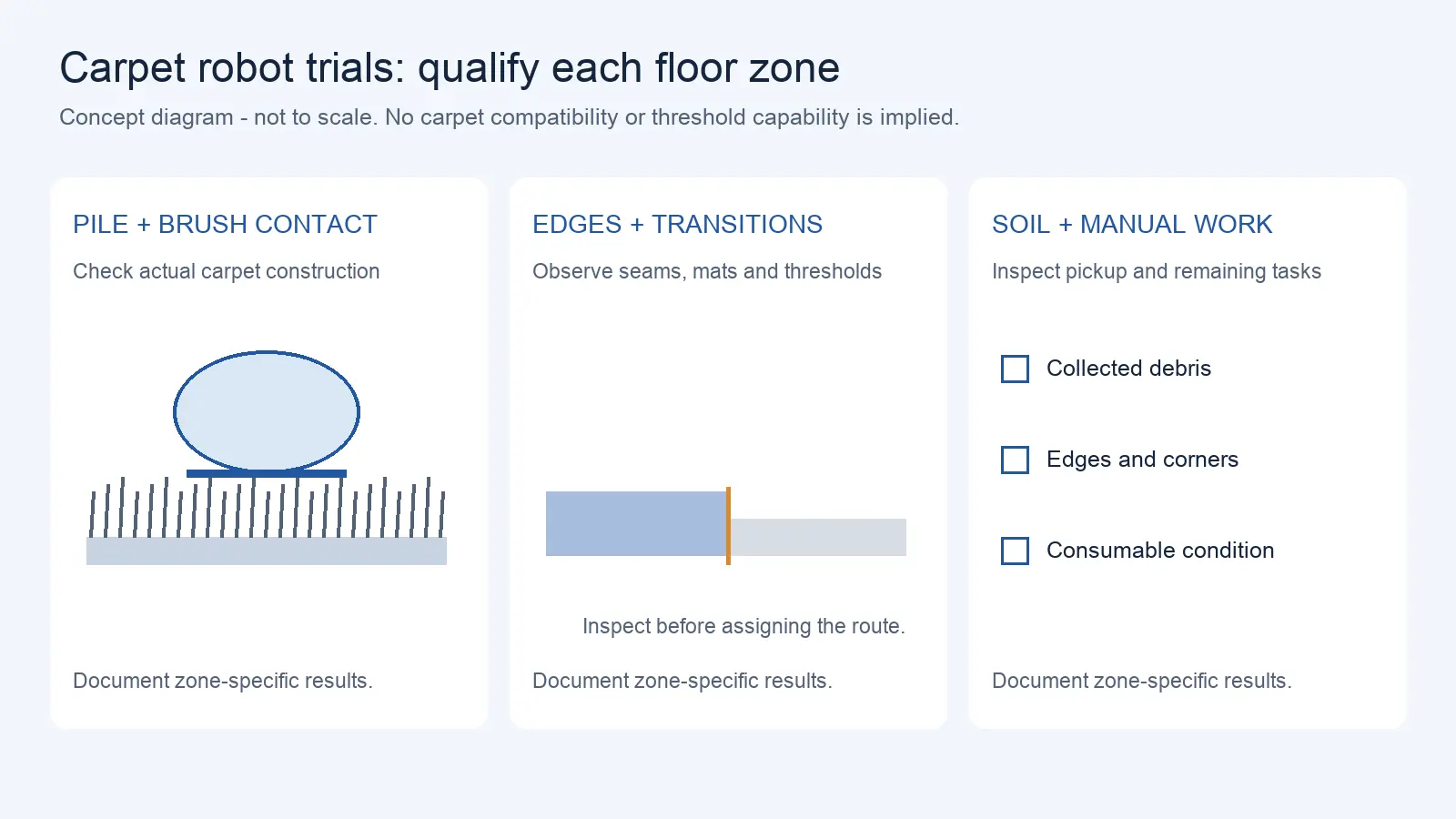
Commercial Carpet-Vacuuming Robots: Pile, Edge Transitions, and Maintenance Limits
Oct 12, 2026
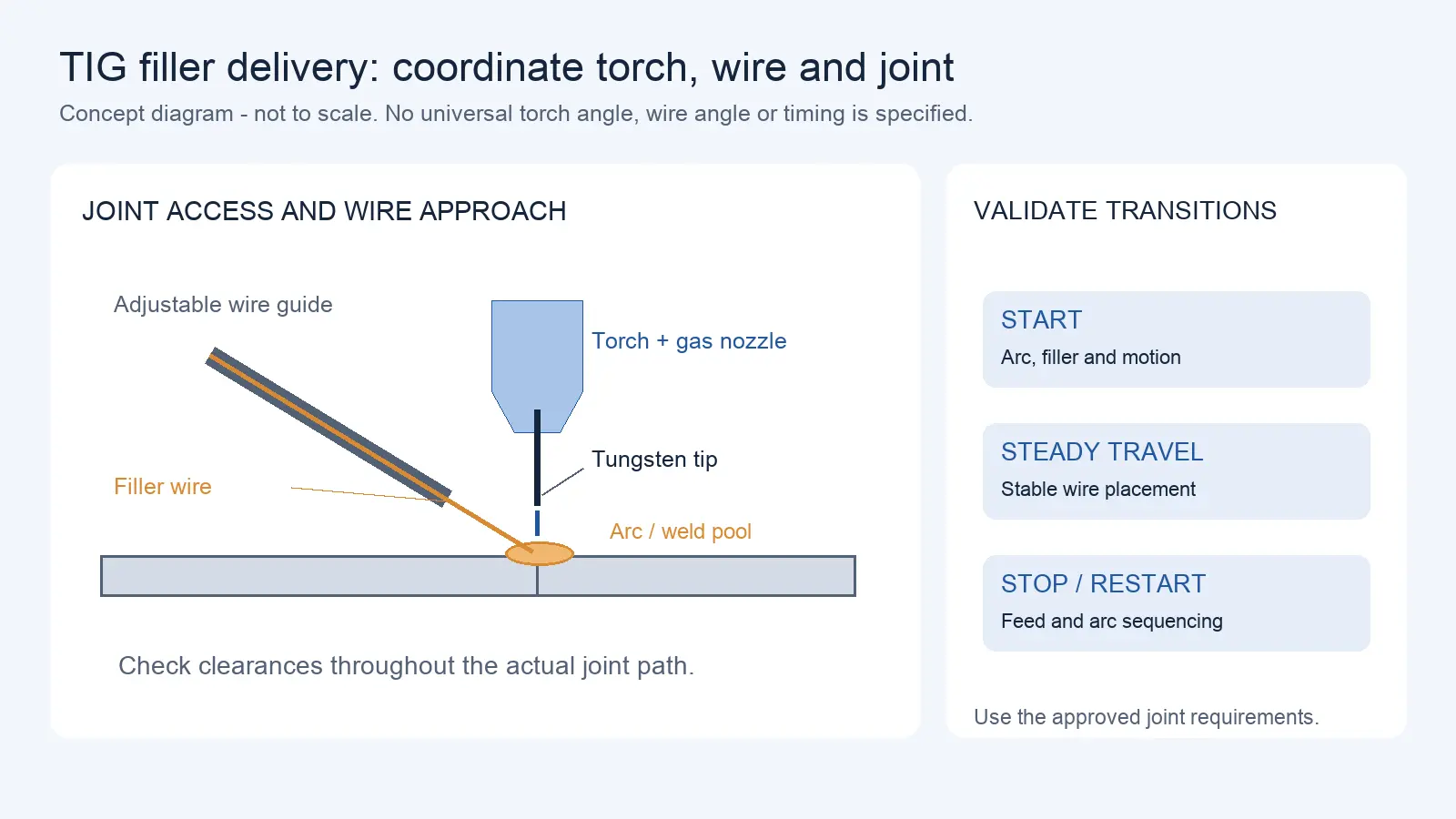
Robotic TIG Filler-Wire Delivery: Feed Angle, Arc Access, and Stop-Start Quality
Oct 12, 2026
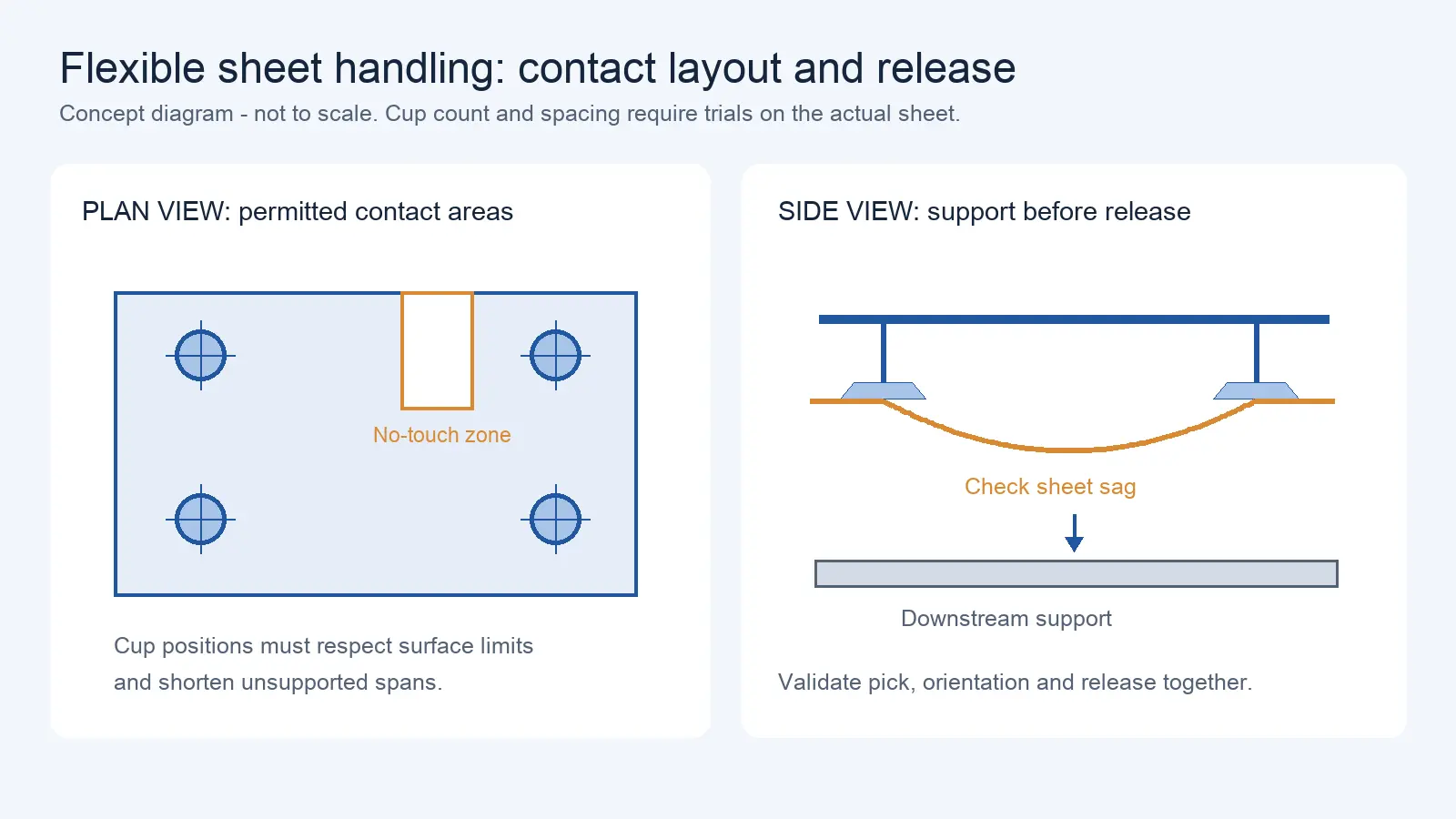
Suction Cup Layout for Flexible Sheets: Sag, Local Stress, and Controlled Release
Oct 12, 2026
Brand recognition should not be used as a proxy for requirement fit. A well-known brand does not guarantee that a specific robot meets the buyer’s payload, reach, speed, integration, or support requirements. However, installed base, ecosystem maturity, local support availability, financial continuity, and documented references are legitimate decision variables that may correlate with brand—these should be evaluated as evidence, not assumed from brand reputation alone. This article explains how to compare robot vendors using a requirement-based scorecard that evaluates technical fit, deployment fit, lifecycle fit, and commercial fit.
Why Brand Recognition Alone Is a Weak Selection Method
Selecting a robot based on brand recognition alone creates several risks:
- Mismatched capability: The brand is known for one application but the buyer needs a different capability. The brand’s product may not be optimized for the buyer’s use case.
- Premium pricing without premium value: Well-known brands may command a price premium that reflects market position, not necessarily superior performance for the buyer’s specific application.
- Limited flexibility: A buyer who only considers one brand may miss alternatives that offer better lead time, better support in their region, or better integration with their existing systems.
- No objective comparison: Without a scorecard, the selection decision is based on subjective impressions rather than measurable fit against requirements.
A requirement-based scorecard inverts the process: the buyer defines what they need, then evaluates how well each vendor meets those needs.
Start with Mandatory Application Requirements
The scorecard begins with mandatory requirements—the capabilities a robot must have to be considered. These are pass/fail criteria: if a vendor does not meet a mandatory requirement, they are eliminated regardless of how well they score on other dimensions.
Mandatory Requirements Template
| Mandatory Requirement | Specification | Vendor A | Vendor B | Vendor C |
| Payload (confirm manufacturer’s payload definition) | >= X kg | |||
| Reach / working radius | >= X mm | |||
| Repeatability | <= +/- X mm | |||
| Number of axes | >= X | |||
| IP rating | >= IPX | |||
| Max TCP speed | >= X m/s | |||
| Communication protocol | [specific protocol] | |||
| Safety standard compliance | [applicable standard for robot type] | |||
| Destination market conformity | [applicable requirements by product/market] | |||
| Delivery lead time | <= X weeks |
Vendors that fail any mandatory requirement should be eliminated from the scoring process.
Vendors that pass the mandatory requirements are scored on technical fit. The scoring approach should reward meeting the requirement with appropriate margin and evidence quality—not simply reward the highest specification.
| Technical Fit Dimension | What to Score | Scoring Approach |
| Payload margin | How much margin above the minimum required? | Meets requirement with appropriate margin + evidence |
| Reach / coverage | Does the robot reach all required positions? | Meets requirement with appropriate margin + evidence |
| Repeatability | How does it compare to the required spec? | Meets requirement with evidence |
| Throughput | Can the robot meet the required cycle time/trips per hour? | Meets requirement with evidence |
| Navigation (mobile robots) | Does the navigation technology fit the environment? | Meets requirement with evidence |
| Interfaces | Does the robot support all required interfaces? | Meets requirement with evidence |
| Environmental fit | Does the robot’s IP rating, temperature range, and construction match the site? | Meets requirement with evidence |
| Vision/sensing | Does the robot’s sensing capability match the application? | Meets requirement with evidence |
Note: over-specification (e.g., payload margin far exceeding the requirement) may increase cost, weight, or complexity without adding value. The scoring should reward appropriate fit, not maximum specification.
Score Deployment Fit: Site Infrastructure, Integration and Training
| Deployment Fit Dimension | What to Score | Scoring Approach |
| Site infrastructure compatibility | Does the robot work with the existing power, network, and floor conditions? | Evaluate compatibility and modification requirements |
| Integration scope | Does the vendor include or support the required integration work? | Evaluate scope completeness |
| Installation complexity | How complex is the installation? | Evaluate installation requirements |
| Training program | Does the vendor provide adequate training? | Evaluate training scope, language, and location |
| Commissioning support | Does the vendor provide commissioning support? | Evaluate included days and scope |
| Documentation | Is documentation complete and in the buyer’s language? | Evaluate completeness and localization |
Score Lifecycle Fit: Spares, Software, Support and Product Continuity
| Lifecycle Fit Dimension | What to Score | Scoring Approach |
| Spare parts availability | Are spare parts readily available in the buyer’s region? | Evaluate regional stock and lead time |
| Software update policy | Are updates included, and how are they delivered? | Evaluate update scope and process |
| Support model | Does the vendor offer a service contract with SLA? | Evaluate SLA terms |
| Product continuity | Documented lifecycle commitment, EOL policy, spare/software support | Evaluate vendor’s documented commitment |
| Regional service coverage | Does the vendor have service capability in the buyer’s region? | Evaluate local team/partner availability |
| Community/ecosystem | Is there a user community, third-party integrators, or training resources? | Evaluate ecosystem maturity |
Score Commercial Fit: Scope Clarity, Terms, Lead Time and Total Cost
| Commercial Fit Dimension | What to Score | Scoring Approach |
| Scope clarity | Is the quotation scope clear and complete? | Evaluate itemization and exclusion transparency |
| Total cost (multi-year) | How does the multi-year TCO compare? | Evaluate TCO considering risk, scope completeness, and assumptions |
| Terms flexibility | Are payment terms, delivery terms, and warranty negotiable? | Evaluate flexibility |
| Lead time | Does the vendor meet the required delivery timeline? | Evaluate timeline fit |
| Change order process | Is the change order process fair and transparent? | Evaluate process clarity |
| References | Can the vendor provide references from similar projects? | Evaluate reference relevance |
Note: the lowest multi-year TCO should not automatically receive the highest score. Commercial fit should be evaluated alongside risk, scope completeness, assumptions, and strategic fit.
Weighting Criteria for Different Project Types
Different project types require different weighting of the four fit dimensions. The following is an illustrative example of buyer-defined weights—actual weights should be set by the project team based on their specific priorities:
| Project Type | Technical Fit Weight | Deployment Fit Weight | Lifecycle Fit Weight | Commercial Fit Weight |
| Single robot, simple application | Illustrative | Illustrative | Illustrative | Illustrative |
| Multi-robot fleet, complex integration | Illustrative | Illustrative | Illustrative | Illustrative |
| Multi-site rollout | Illustrative | Illustrative | Illustrative | Illustrative |
| Pilot project (risk reduction focus) | Illustrative | Illustrative | Illustrative | Illustrative |
| Long-term strategic investment | Illustrative | Illustrative | Illustrative | Illustrative |
The weighting should be agreed by the project team before scoring begins. Changing weights after scoring is complete introduces bias.
Example Requirement-Based Vendor Scorecard Structure
The following is an illustrative scorecard structure. Weights, scores, and requirements are all buyer-defined examples—not recommended industry values.
| Dimension | Requirement | Weight | Vendor A | Vendor B | Vendor C |
| Technical Fit | Buyer-defined | Score x weight | Score x weight | Score x weight | |
| Payload margin | Buyer-defined | ||||
| Reach | Buyer-defined | ||||
| Repeatability | Buyer-defined | ||||
| Throughput | Buyer-defined | ||||
| Interfaces | Buyer-defined | ||||
| Environmental fit | Buyer-defined | ||||
| Deployment Fit | Buyer-defined | ||||
| Infrastructure compatibility | Buyer-defined | ||||
| Integration scope | Buyer-defined | ||||
| Training | Buyer-defined | ||||
| Commissioning | Buyer-defined | ||||
| Documentation | Buyer-defined | ||||
| Lifecycle Fit | Buyer-defined | ||||
| Spare parts | Buyer-defined | ||||
| Software updates | Buyer-defined | ||||
| Support model | Buyer-defined | ||||
| Product continuity | Buyer-defined | ||||
| Regional coverage | Buyer-defined | ||||
| Commercial Fit | Buyer-defined | ||||
| Scope clarity | Buyer-defined | ||||
| Multi-year TCO | Buyer-defined | ||||
| Lead time | Buyer-defined | ||||
| References | Buyer-defined | ||||
| Total | 100% | ___ | ___ | ___ |
The scorecard is not a substitute for engineering judgment. A vendor that scores highest but has no references in the buyer’s industry may represent a higher risk than a vendor that scores slightly lower but has proven experience in similar applications. The scorecard provides a structured comparison; the final decision should consider both the score and qualitative factors that the scorecard cannot capture. For normalizing supplier quotations before scoring, see our Quotation Comparison guide. For evaluating supplier support readiness, see our Supplier Support guide.
Request a Quote or Technical Evaluation
Tell us what you need the robot to do. Even if some technical details are not yet confirmed, our team can help evaluate suitable options.
Please share, if available: application, key requirements, site and integration conditions, quantity, destination, and target timeline.
Send Your RequirementsShare on Social:


Contact Us
In This Article
Delivery Robot Accessibility: Tray Reach, Controls, and Assisted Handoffs
Oct 12, 2026
Commercial Carpet-Vacuuming Robots: Pile, Edge Transitions, and Maintenance Limits
Oct 12, 2026
Robotic TIG Filler-Wire Delivery: Feed Angle, Arc Access, and Stop-Start Quality
Oct 12, 2026
Suction Cup Layout for Flexible Sheets: Sag, Local Stress, and Controlled Release
Oct 12, 2026