

 Contact Us

 Home /
 Pallet Identification for AMRs: Barcode and RFID Read Zones, Load Identity, and Task Matching
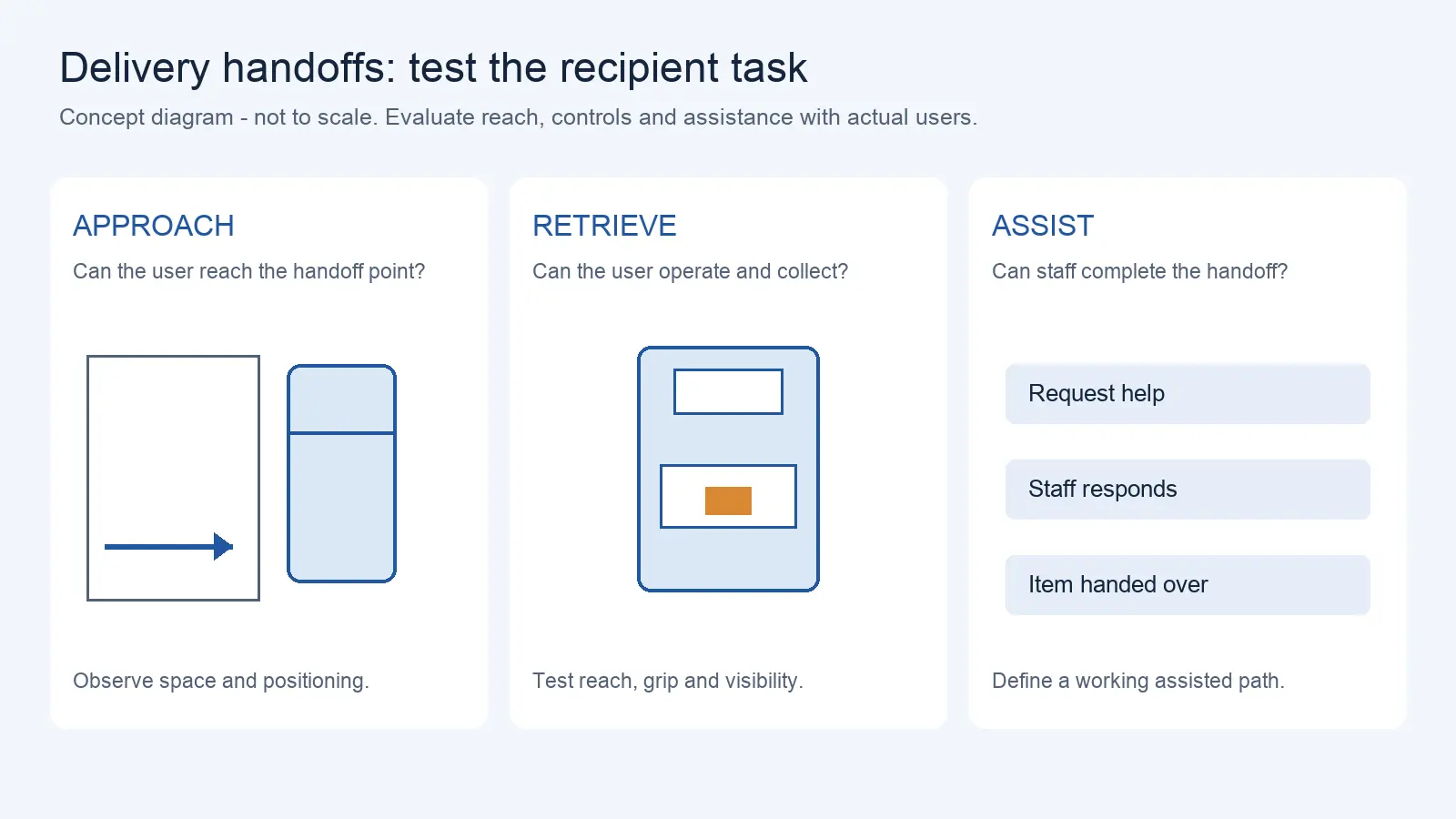
Delivery Robot Accessibility: Tray Reach, Controls, and Assisted Handoffs
Oct 12, 2026
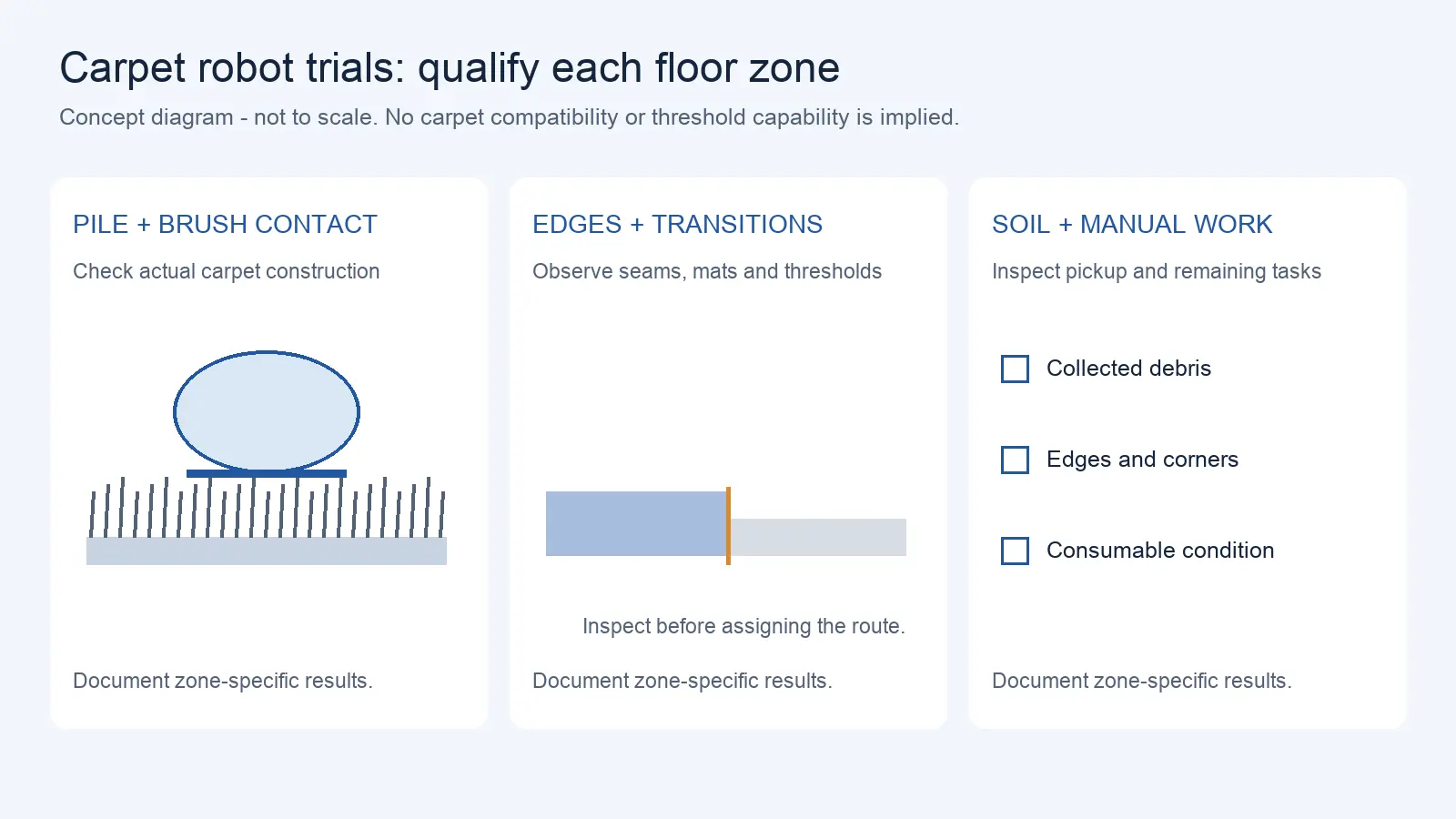
Commercial Carpet-Vacuuming Robots: Pile, Edge Transitions, and Maintenance Limits
Oct 12, 2026
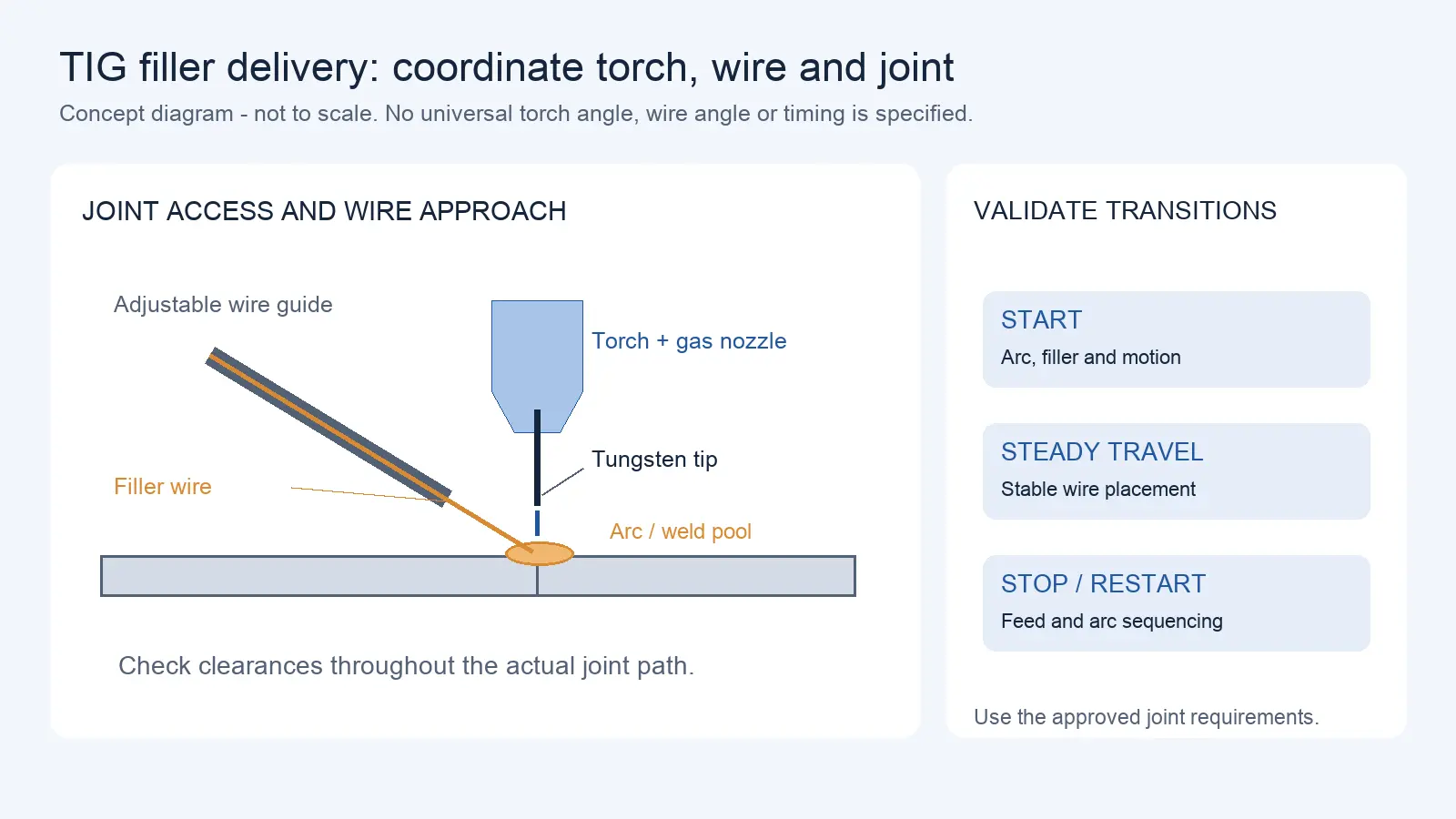
Robotic TIG Filler-Wire Delivery: Feed Angle, Arc Access, and Stop-Start Quality
Oct 12, 2026
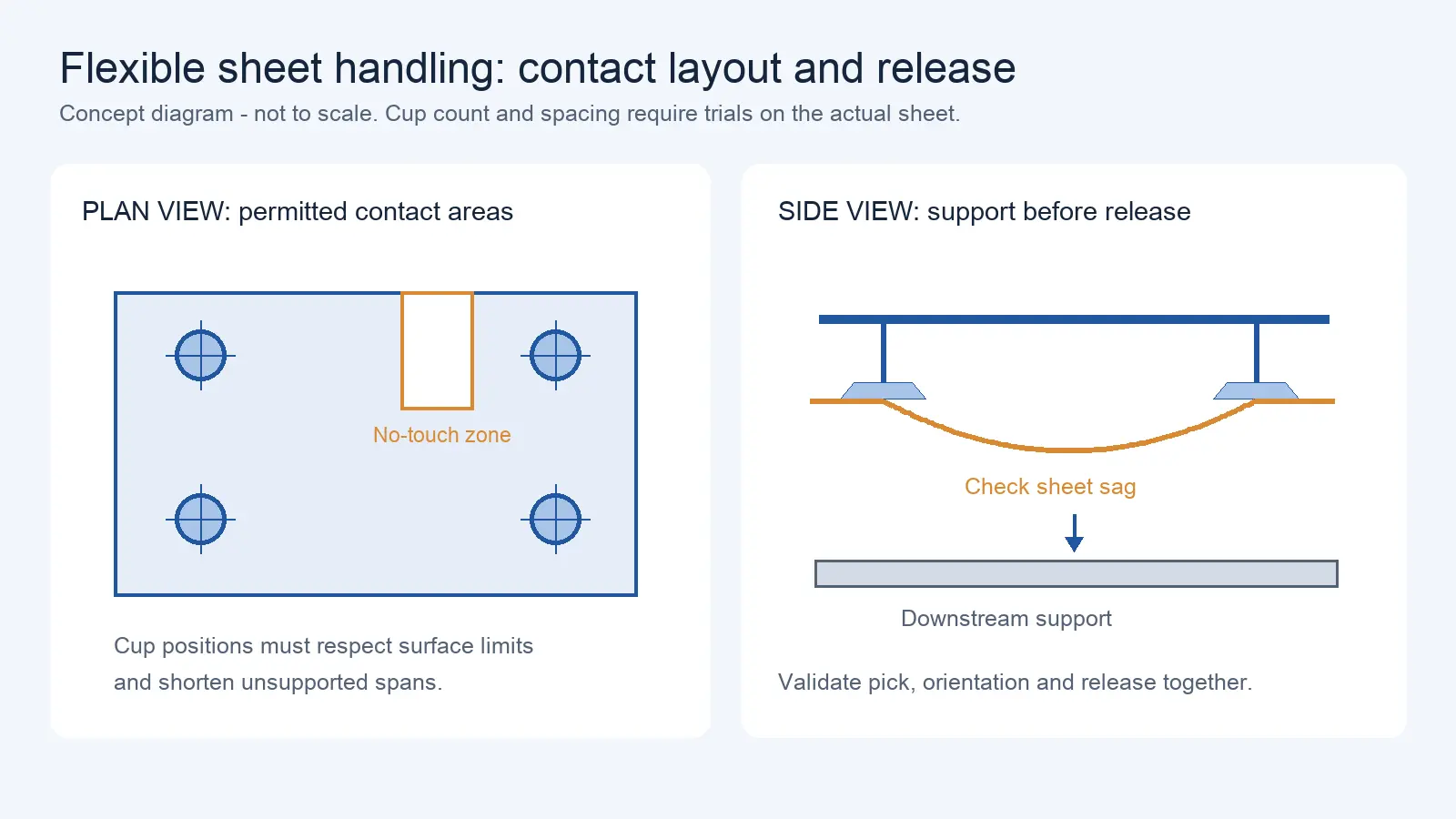
Suction Cup Layout for Flexible Sheets: Sag, Local Stress, and Controlled Release
Oct 12, 2026
An AMR that lifts a pallet has answered a mechanical question: it found something it can carry. That is not the same as knowing which pallet it is carrying, or which order that pallet belongs to. In a warehouse, moving the wrong unit because the robot read a wrong or missing label is a failure that no amount of navigation accuracy can prevent. Load identity is a separate system from load handling, and it has to be designed as one.
Distinguish the Carrier, Load, and Transport Task
Three different identities meet when a robot moves goods, and confusing them is the root of most mis-picks.
The physical carrier may be a reusable pallet asset. The logistic unit is the transport/storage unit formed from the goods and packaging together, potentially including that pallet. A shipment or handling task is a separate digital instruction; systems must deliberately link carrier identity, logistic-unit identity, and task identity. These three change on different schedules. A carrier can be reused with a new load; a load can be moved by different carriers; a task exists only for the duration of the move.
GS1's Serial Shipping Container Code (SSCC) is an 18-digit identifier for a logistic unit assembled for transport or storage, such as goods packed on a pallet. It is not automatically the reusable pallet asset ID; a separate asset identifier may be needed to track the physical pallet across successive loads. GS1 also defines identifiers for trade items and for physical locations. When a robot scans a pallet, the code it reads may identify the pallet, the load, or neither, depending on which label is present and what it encodes. Define, in your own system, which identifier is which, how each is assigned, and when each changes. A clear three-way distinction is what makes it possible to say the robot moved the right load rather than merely a load.
Specify Read Zones and Label Visibility
A label that scans perfectly on a fixed reader can fail on a moving robot, because the geometry and conditions change. The physical pickup geometry belongs to autonomous forklift pallet detection and docking; identifying the logistic unit is a distinct check.
The read zone is the volume in which the reader can reliably capture the label. Its size and shape depend on the code type, the reader, the distance, the angle, and the ambient environment. 1D barcodes need a line-of-sight scan at a workable angle; 2D codes may offer different orientation tolerance depending on the symbology, reader optics, and installation, so actual read angles must be tested; RFID reads by radio, which relaxes line-of-sight but introduces its own range and interference questions.
Then there is the label itself. Stretch wrap over a barcode can distort or reflect it. A label can be rotated, partly occluded by pallet corners or goods, or placed on a face the robot does not see. Multiple labels can appear on one pallet. Printing quality matters: poor artwork or printing is a common cause of scan failures and manual keying, so a label that looks acceptable to the eye can still fail the reader.
Specify the read zone for your layout and test it with real labels on real pallets, including stretch-wrapped, rotated, and damaged ones. GS1's label placement guidance is a useful starting point, but a placement rule does not prove that your robot reads your labels in your warehouse. That proof comes from a read test on site.
Compare Barcode and RFID Evidence
Barcode and RFID solve overlapping problems with different trade-offs, and neither is universally better.
Barcode is inexpensive, printed on the label, and needs line of sight. Its failure modes are physical: poor print quality, damage, occlusion, and angle. RFID uses a tag and a reader; it can read without line of sight and can read multiple tags in range, which helps when labels are hidden or pallets arrive in a stack. Its failure modes are different: tag placement, read range, and interference from metal or liquids, and the risk of reading a neighboring tag.
Compare them on your actual cases rather than on general reputation. What is your read distance and angle? Are labels ever hidden by wrapping or stacked goods? How many tags are in range at once? What is the environment for radio interference? Ask each vendor for their read performance under conditions like yours, and where they do not publish it, plan a test. The useful output is not a ranking but a matched comparison: here is how each option performed on our pallets, at our read points, with our wrap and stacking.
Bind the Physical Load to the Digital Order
A successful read is not the same as a correct task. The binding between the physical load and the digital order is where that connection is made or lost. The system-level task and status flow is covered separately in AMR–WMS task and status integration.
Define the moments when identity is bound and unbound. When does a load become associated with a task: at the pick point, during the move, or at the drop point? What confirms the binding: a single scan, a scan plus a weight check, or a scan plus an operator confirmation? When does the binding end: on a successful drop, on a manual override, or on a timeout? Each of these is a state transition, and each should be defined in the system that manages the robot's work.
Label printing or reprinting is not, by itself, a new identity assignment. For the same logistic unit, reprinting should preserve its assigned SSCC; when a logistic unit is rebuilt or its identity legitimately changes, document the applicable GS1 rules and update the physical-unit-to-record mapping through a controlled process. Write down the states: unread, read, bound, in transit, delivered, and released. A robot that reads a label but binds it to the wrong task will still move goods to the wrong place.
Handle Reprints, Duplicate IDs, and Unreadable Labels
Real warehouses generate label exceptions every day, and the robot has to fit into a business process for handling them.
A label can be unreadable on arrival. Two visible labels bearing the same SSCC may result from a legitimate reprint or from an identification/process error; they are not proof that two separate logistic units legitimately share the same active identity. A pallet can carry no label at all. A code can be read but belong to a load that is not supposed to move yet. Each of these is a business state, and the system needs a defined response: quarantine the pallet, request manual review, or pause the task.
Define these states and the staff action for each, and decide where the robot stops and a person takes over. This is business-state design, not customer system code. You are specifying what the robot should report and what a person should be asked to do, not writing the warehouse software. Where a supplier's fleet manager already defines some of these states, compare them against yours rather than assuming they match.
Run an Identity-Integrity Test
The only way to know the identity system works is to test it against the failures it is meant to prevent, and to measure the right outcomes.
Build a test set that includes true positives, mismatches, duplicates, and unreadable or missing labels, and run each through the real read points on the real robot. Count the results as four outcomes: correct reads, missed reads, wrong reads, and wrong binds. The last two are the dangerous ones, because a wrong read or a wrong bind can move the wrong goods while the system reports success.
Keep records of the test, including the label or tag used, its condition, the read point, the environment, and the outcome. That record is what lets you tell a supplier whether your case is covered and lets you re-run the test after a label, reader, or process change. Do not let a successful demo stand in for the test. The deliverable is a validated identity process and the evidence behind it.
Bring a de-identified mapping of reusable carrier IDs, logistic-unit IDs and transport-task IDs, together with label examples, read-point sketches and missed/wrong-read scenarios. Through integration planning and coordination, AIsirRobot can help gather manufacturer reader/interface information and map the open verification questions.
Share on Social:


Contact Us
In This Article
Delivery Robot Accessibility: Tray Reach, Controls, and Assisted Handoffs
Oct 12, 2026
Commercial Carpet-Vacuuming Robots: Pile, Edge Transitions, and Maintenance Limits
Oct 12, 2026
Robotic TIG Filler-Wire Delivery: Feed Angle, Arc Access, and Stop-Start Quality
Oct 12, 2026
Suction Cup Layout for Flexible Sheets: Sag, Local Stress, and Controlled Release
Oct 12, 2026