

 Contact Us

 Home /
 Coffee Robots and Automated Beverage Stations: What Commercial Buyers Need to Know
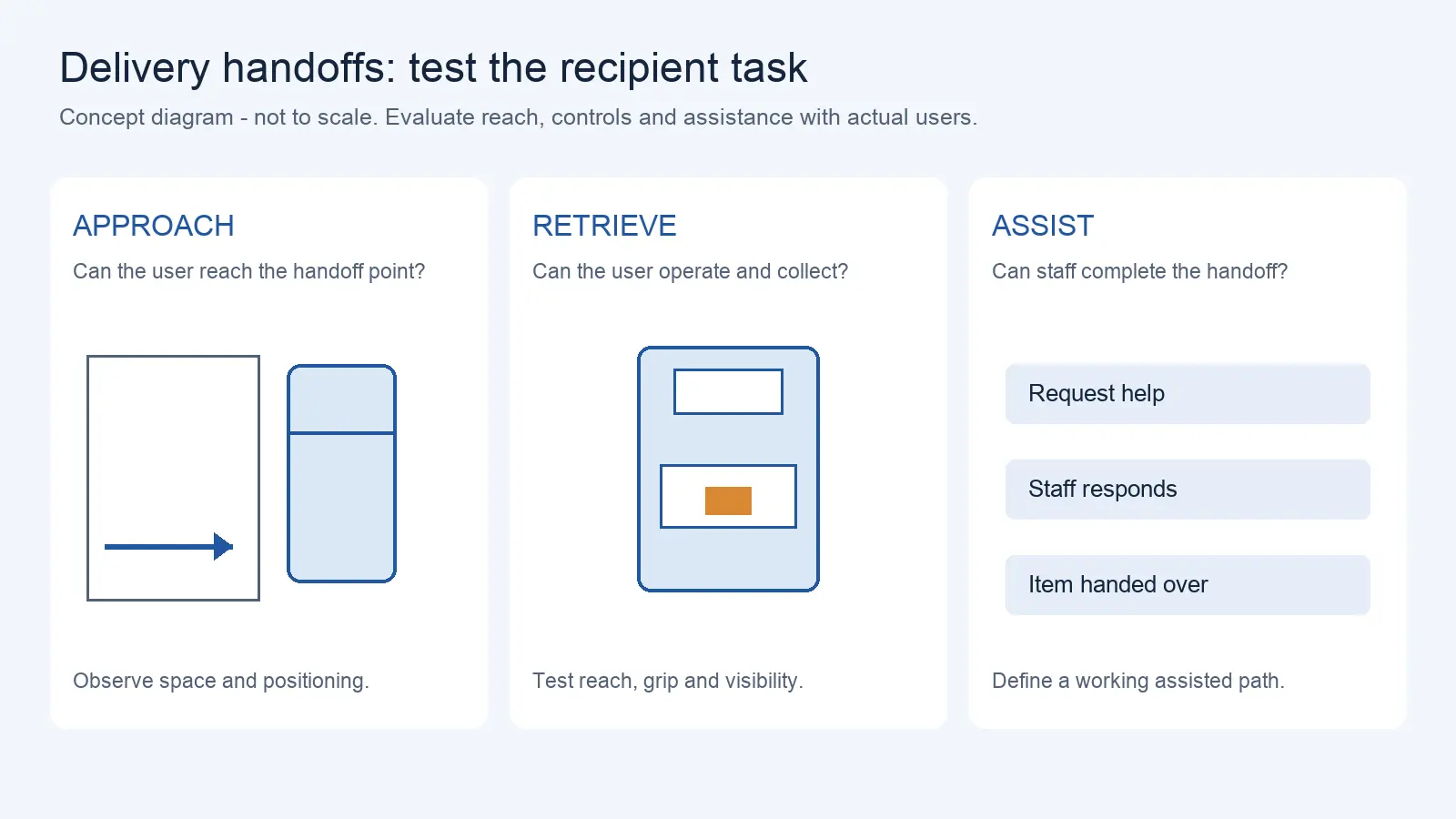
Delivery Robot Accessibility: Tray Reach, Controls, and Assisted Handoffs
Oct 12, 2026
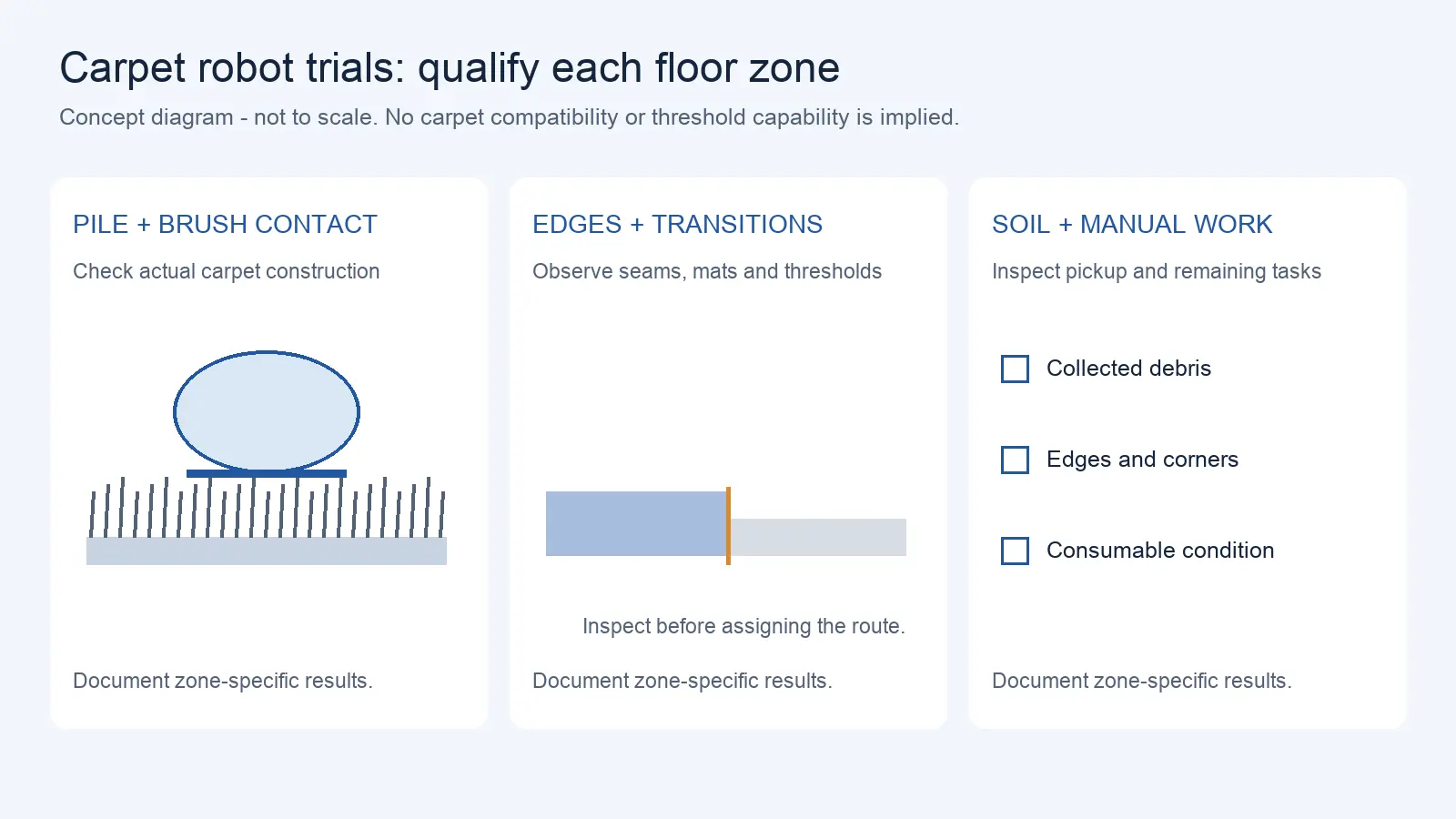
Commercial Carpet-Vacuuming Robots: Pile, Edge Transitions, and Maintenance Limits
Oct 12, 2026
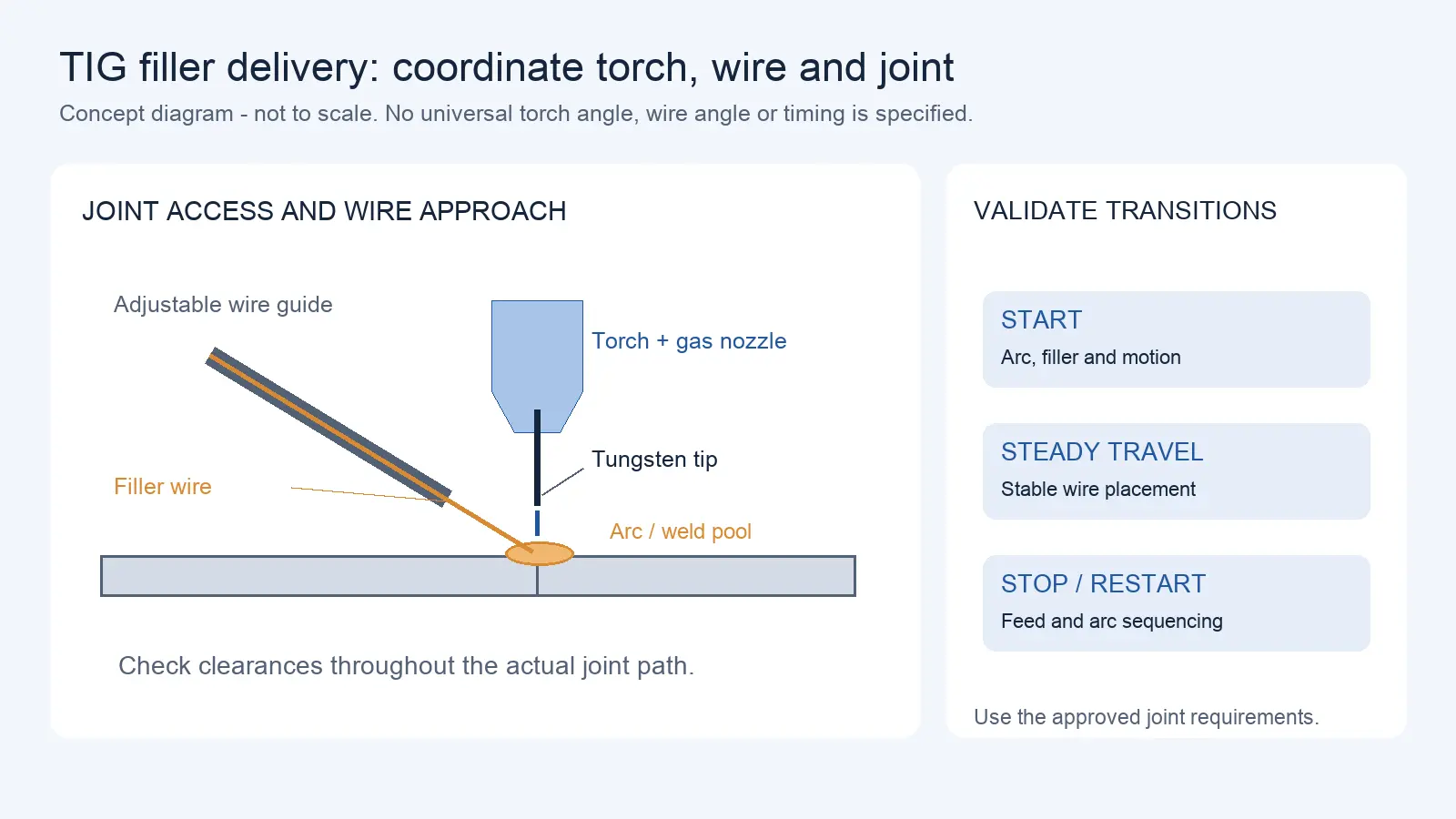
Robotic TIG Filler-Wire Delivery: Feed Angle, Arc Access, and Stop-Start Quality
Oct 12, 2026
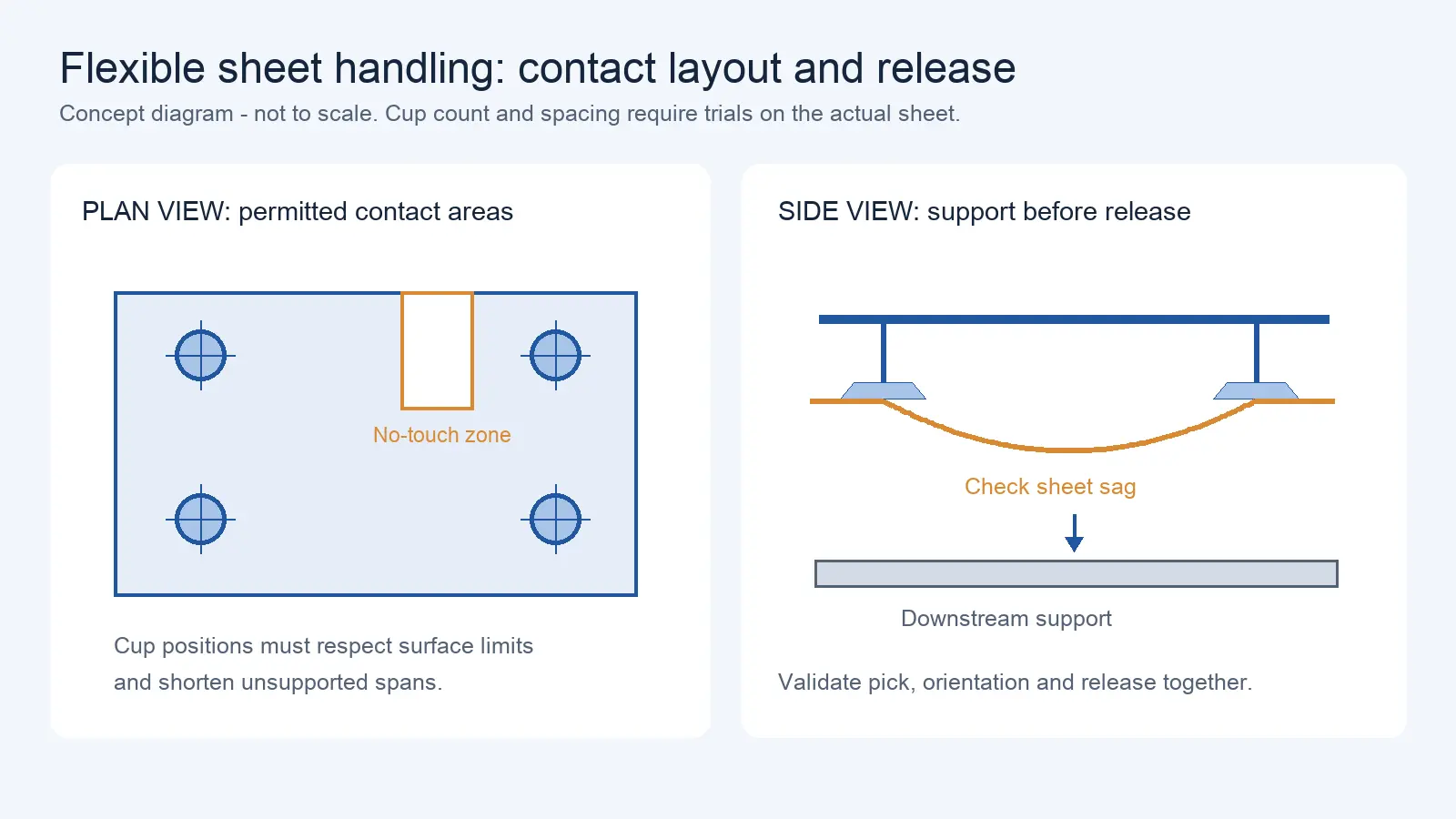
Suction Cup Layout for Flexible Sheets: Sag, Local Stress, and Controlled Release
Oct 12, 2026
A Coffee Robot is not simply a robotic arm that prepares coffee. A commercial coffee robot is a complete beverage production system integrating brewing equipment, ingredient storage, dispensing mechanisms, cup handling, payment systems, cleaning procedures and software management.
For commercial buyers, selecting the right Coffee Robot System depends on more than appearance or cup capacity. Factors such as venue type, menu complexity, actual throughput, hygiene requirements, installation conditions and operating costs determine whether a system can deliver reliable performance.
This guide explains different types of Automated Beverage Stations, how to evaluate coffee robot capacity, and what buyers should consider before selecting a commercial solution.
Four Types of Coffee Robots and Automated Beverage Stations
Coffee robots are designed for different business models. Selecting the wrong system type may result in insufficient production capacity, unnecessary maintenance costs or poor customer experience.
| System Type | Function | Suitable Application | Key Considerations |
|---|---|---|---|
| Robotic Arm Coffee Station | Uses an articulated robotic arm to prepare coffee, including grinding, brewing, pouring and presentation | Flagship stores, exhibitions, premium hotels and brand experience locations | High visual appeal and customer interaction; lower throughput compared with fully enclosed systems |
| Enclosed Automated Coffee Kiosk | Fully integrated unit combining grinder, brewer, dispenser, cup storage and payment system | Shopping malls, offices, transit hubs, campuses and unmanned retail points | Higher automation level and stronger self-service capability; requires ingredient replenishment and maintenance |
| Compact Countertop Coffee Robot | Smaller automated brewing unit with limited recipes and simplified operation | Offices, convenience stores and secondary service points | Lower investment and easier maintenance; limited customization and production capacity |
| Brew-and-Deliver Coffee Robot System | Combines beverage production with delivery robots for table or room delivery | Hotels, restaurants and conference venues | Requires coordination between two robot systems and additional delivery planning |
The correct choice depends on the commercial objective:
- Brand attraction and customer experience → robotic arm systems
- High-volume self-service → enclosed automated kiosks
- Small-scale beverage service → countertop systems
- Hospitality delivery → brew-and-deliver solutions
Throughput: Cups per Hour Matters More Than Cups per Refill
One of the most common mistakes when evaluating a Commercial Coffee Robot is confusing ingredient capacity with actual production speed.
Claims such as:
- “300 cups per refill”
- “500 cups per day”
- “50 seconds per cup”
do not directly represent real hourly output.
Actual throughput depends on:
| Factor | Impact on Output |
|---|---|
| Single cup cycle time | Determines the basic production speed |
| Parallel processes | Grinding, brewing and dispensing simultaneously can increase output |
| Payment processing | Additional transaction time affects queue speed |
| Cleaning cycles | Automatic rinsing reduces available production time |
| Ingredient replenishment | Refilling beans, milk, cups and water temporarily stops operation |
| Peak demand | Rush hours may create queues beyond average production capacity |
For example, an automated coffee kiosk with a 45-second beverage cycle may theoretically produce more than 80 cups per hour. However, after considering payment time, cleaning pauses and customer ordering patterns, actual output may be closer to 40–60 cups per hour.
Therefore, buyers should evaluate:
Actual cups per hour under real operating conditions
rather than only marketing capacity figures.
Menu Design and Beverage Quality Requirements
The menu is not only a customer preference—it directly affects coffee robot configuration.
Different beverage types require different hardware and cleaning processes.
| Menu Factor | Technical Impact |
|---|---|
| Number of recipes | More recipes require additional ingredient channels and software configuration |
| Espresso-based drinks | Require accurate grinding, temperature and pressure control |
| Milk-based beverages | Require milk storage, frothing systems and additional cleaning |
| Cold beverages | Require refrigeration and additional dispensing systems |
| Customization options | More choices increase software and operational complexity |
| Latte art requirements | Requires robotic arm systems and additional motion control |
Key beverage quality factors include:
Grinding Consistency
The grinder must maintain consistent particle size because extraction quality depends on accurate grinding.
Brewing Parameters
Espresso preparation typically requires:
- Brewing temperature control
- Stable pressure control
- Consistent extraction time
Milk Management
Milk-based drinks require:
- Refrigerated storage
- Milk line cleaning
- Nozzle sanitation
The more complex the menu, the higher the maintenance requirements.
Coffee Robot Hygiene and Food Compliance
Automation does not eliminate cleaning responsibilities.
A coffee robot performs some automatic cleaning procedures, but manual maintenance remains necessary.
| Cleaning Task | Method | Frequency |
|---|---|---|
| Beverage rinse cycle | Automatic | Between milk-based drinks or according to system settings |
| Brew system flushing | Automatic or semi-automatic | Regular intervals |
| Milk line cleaning | Manual or semi-automatic | Daily or according to manufacturer requirements |
| Grinder cleaning | Manual | Periodic maintenance |
| Waste container cleaning | Manual | Daily or based on usage |
| Deep sanitation | Manual | According to regulations and operating conditions |
“Automatic cleaning” does not mean zero maintenance.
Operators still need to manage:
- Milk residue
- Coffee oil buildup
- Waste disposal
- Food-contact surface sanitation
Food Compliance Requirements
Commercial coffee robots must meet local food safety requirements.
Important areas include:
| Requirement | What Buyers Should Verify |
|---|---|
| Food-contact materials | Materials contacting beverages must comply with destination market requirements |
| Equipment construction | Verify applicable food equipment standards |
| Cleaning procedures | Confirm sanitation requirements and inspection expectations |
| Refrigerated storage | Ensure milk and perishable ingredients maintain required temperatures |
Compliance requirements vary by country.
Buyers should confirm:
- Food-contact material compliance
- Equipment certification
- Local health regulations
before deployment.
Payment, Software and Remote Management
Modern Automated Beverage Stations often include digital management systems.
Important software functions include:
| Function | Purpose |
|---|---|
| Recipe management | Adjust beverage parameters and menu options |
| Inventory monitoring | Track beans, milk, cups and ingredients |
| Sales reporting | Analyze customer demand and peak periods |
| Maintenance alerts | Identify cleaning requirements and equipment issues |
| Remote management | Support multi-location operation |
Payment integration is also a key commercial requirement.
Systems may support:
- Card payment
- Mobile wallets
- QR payment
- Local payment platforms
Compatibility depends on:
- Destination country
- Payment provider
- Software integration
Installation Requirements for Coffee Robots
Before installation, buyers should evaluate venue conditions.
| Factor | Consideration |
|---|---|
| Space | Include machine footprint, maintenance access and customer queue area |
| Power supply | Confirm voltage, frequency and electrical capacity |
| Water supply | Determine whether direct connection or manual refill is required |
| Drainage | Evaluate wastewater management |
| Network connection | Required for payment and remote monitoring |
| Environment | Temperature and ventilation affect equipment performance |
For example:
- Enclosed kiosks may require several square meters of operating space.
- Robotic arm stations require additional safety and customer viewing space.
Operating Cost Considerations
The purchase price is only part of the total investment.
Recurring costs include:
| Cost Category | Example |
|---|---|
| Coffee beans | Consumption based on daily cup volume |
| Milk and alternatives | Depends on beverage mix |
| Cups and lids | Required for every drink |
| Syrups | Additional ingredient cost |
| Cleaning supplies | Sanitization and maintenance materials |
| Wear parts | Grinder components and brewing parts |
| Software subscription | Remote management features if applicable |
A realistic business evaluation should calculate:
Ingredient cost per cup + maintenance cost + labor requirement
against expected beverage sales.
Common Coffee Robot Buying Mistakes
| Mistake | Better Approach |
|---|---|
| Choosing based only on cup capacity | Evaluate cups per hour under real operating conditions |
| Selecting a premium robotic arm for high-volume locations | Match system type with business purpose |
| Assuming automatic cleaning removes all maintenance | Plan daily cleaning and sanitation tasks |
| Ignoring payment compatibility | Verify local payment integration before purchase |
| Overlooking food compliance | Confirm certification and regulations by market |
| Underestimating replenishment labor | Calculate ingredient storage and refill frequency |
How to Choose the Right Coffee Robot
Before comparing models, buyers should define:
- Target daily cup volume
- Peak-hour demand
- Beverage menu
- Milk and ingredient requirements
- Venue size
- Payment methods
- Water and power availability
- Operating model
- Compliance requirements
A successful Coffee Robot System requires matching technology with the actual business environment.
Conclusion
A Coffee Robot is a complete automated beverage solution rather than a single robotic device.
The right selection depends on:
- System type
- Throughput requirements
- Menu complexity
- Hygiene management
- Venue conditions
- Operating costs
Whether the goal is a high-visibility robotic coffee experience, an unmanned beverage kiosk or an automated hospitality solution, buyers should evaluate the entire workflow before investment.
AIsirRobot helps businesses compare Coffee Robots and Automated Beverage Stations based on application requirements, operational conditions and integration needs.
Share on Social:


Contact Us
In This Article
Delivery Robot Accessibility: Tray Reach, Controls, and Assisted Handoffs
Oct 12, 2026
Commercial Carpet-Vacuuming Robots: Pile, Edge Transitions, and Maintenance Limits
Oct 12, 2026
Robotic TIG Filler-Wire Delivery: Feed Angle, Arc Access, and Stop-Start Quality
Oct 12, 2026
Suction Cup Layout for Flexible Sheets: Sag, Local Stress, and Controlled Release
Oct 12, 2026