

 Contact Us


 Home /
Does Your Floor Need Pre-Sweeping Before Robotic Scrubbing?

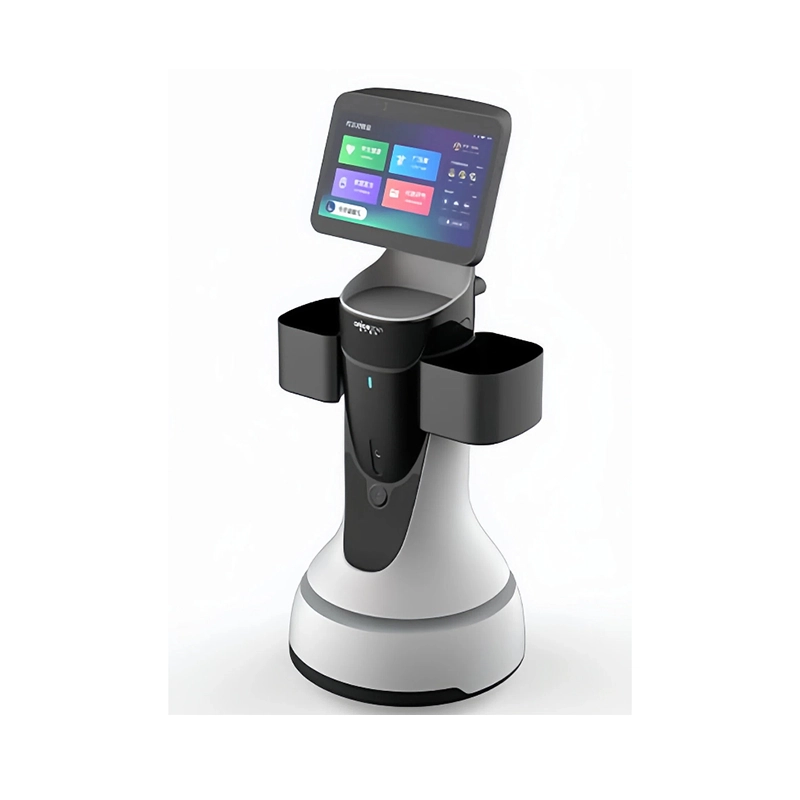
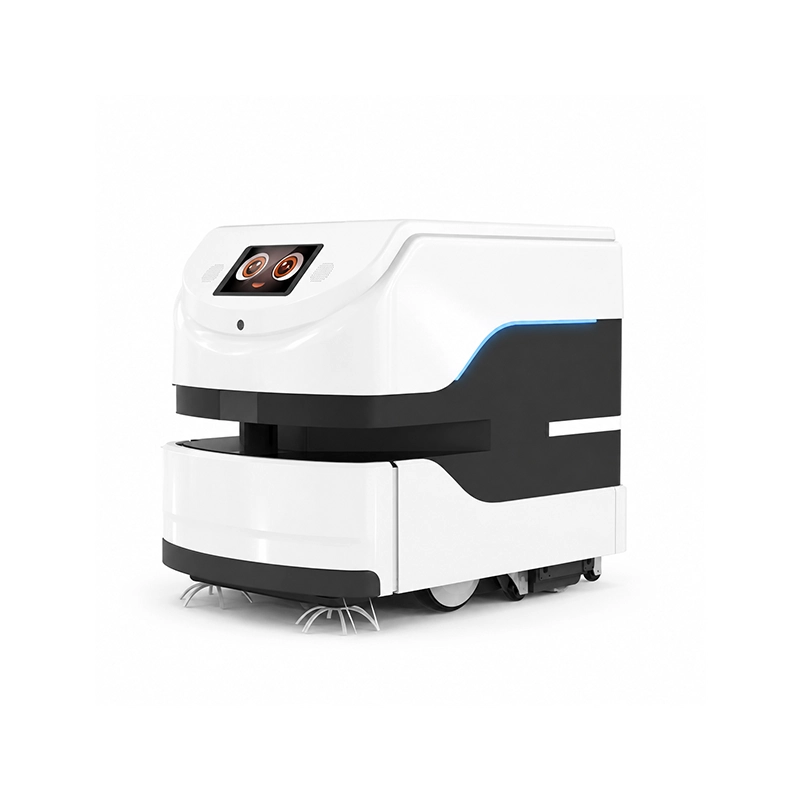

Look at the loose material on the floor before comparing cleaning routes. Film scraps, fibres and granular dirt pose different questions for the proposed machine. Establish which material the actual machine is documented to collect in one route and which needs removal first. Record that split before comparing pass count or labor.
Identify the debris that changes the cleaning sequence
Start with what the actual machine collects and how it handles it. A scrubber-drier uses its cleaning head and water-recovery system, while a sweeper collects loose debris. Some roller-brush scrubber configurations also sweep debris into a hopper: Kärcher describes this function for its roller-brush arrangement. That is a configuration-specific capability, not evidence that every scrubber or cleaning robot can omit pre-sweeping. Match the proposed model's intake, hopper and filter documentation to the floor's debris.
Sort the material into the groups that change the route:
- Large packaging or loose items. Check the actual intake allowance and prohibited-material list. Material outside those conditions needs a separately assigned clearing step before the proposed machine runs.
- General dry granular dirt. This is what a sweeper or a documented combined function is meant to take, subject to the maker's intake and filter conditions.
- Film or fibrous material. Film and fibre can wrap a brush or clog a service port. They need to be understood before the machine is committed.
- Mostly soluble soil. This is the natural work of a scrubber on an approved floor and cleaning-material combination.
- Unknown or potentially restricted material. Dust of unknown composition cannot be classified as ordinary cleaning work by this article. It goes to an authorized on-site person.
The output of this step is a material identification plus a check against the machine's prohibited-intake list. Do not attach a universal size threshold; the maker's intake conditions are the authority.
Route the job through a one-pass or two-pass decision
With the material identified, each observed condition routes to a checkable flow.
| Observed condition | Check first | Route that can be compared | When unresolved |
|---|---|---|---|
| Packaging / loose items outside the proposed intake allowance | Machine prohibited-intake list and assigned clearing method | Clear the out-of-scope material first, then evaluate the following sweep or scrub | Record who or what clears it; do not conceal that work in a robot-efficiency claim |
| General dry granular dirt | The actual model's intake, filter and water-path allowances | Pre-sweep then scrub, or a combined route that has maker and site backing | Do not judge a single pass from a "multi-function" name |
| Film or fibre | Maker notes on wrapping, clogging and service-port access | Remove the interference-prone material first, then compare candidate routes | Log the handling labor; do not invent size or length limits |
| Mostly soluble soil | Approved conditions for this floor and cleaning material | A scrub-dominant candidate route | Chemical compatibility belongs to its existing owner |
| Unknown or possibly restricted material | On-site professional judgment and machine-suitability evidence | This article withholds a standard route decision | Hand to an authorized on-site person for classification and handling |
Check the maker's documentation before comparing a combined function. A pre-sweep done by hand and a pre-sweep done by a machine are different tasks, and calling both "automated handling" blurs the decision. The comparison only becomes honest when the picking, sweeping and scrubbing roles are kept apart.
Brush type can affect whether a combined pickup function exists at all, and that principle sits with disc and cylindrical brush choices. Where the debris raises a dust-suitability question, the whole-machine judgement belongs with filter ratings and whole-machine dust suitability.
Count the work before, during and after each route
Counting only the time the machine spends running on the floor leaves work out of the comparison. Preparation, clearing a blockage, servicing the tank and redoing a section all consume labor, and they differ between a one-pass and a two-pass route.
Build a work record with five lines for each candidate route:
| Line | What is recorded |
|---|---|
| Prep | People, active minutes, start and end, overlap with other steps |
| Attended operation | Same fields, for the period a person must watch or assist |
| Unplanned clearing | Blockage, wrapping or spill handling, with cause |
| Tank service | Emptying, rinse, refill, and who performs it |
| Rework | Re-cleaning a section that did not meet the end condition |
Record labor separately from wall-clock duration. Add each person's active minutes, or use people × active minutes when everyone in that group worked the stated interval. Two people working at the same time both contribute labor; overlapping one person's same minutes across two task labels must not be counted twice. Elapsed duration runs from task start to finish and reflects which steps overlap. Unattended machine runtime is neither active labor nor, by itself, proof of labor saved. Populate this record with site observations before ranking the routes.
Compare both routes against the same end condition
A trial is only usable if both routes are judged against the same end condition. Use the same approved floor area and a representative soil mix, then record the remaining soil, machine anomalies, any second cleaning, and all labor for each route. The end-condition definition for cleaning quality stays with its own topic; this article does not introduce a universal hygiene threshold.
Existing unattended cleaning depends on charging, water, drainage and exception handling, and infrastructure for unattended cleaning is a different question from one pass or two. A route can be well suited to the soil and still fail on infrastructure, which is why the two are tracked separately.
Choose the remaining work you can actually support
A one-pass proposal is ready for comparison when its intake allowance and the remaining human work are named. For an application assessment, send the debris categories, proposed machine documentation and the current clearing, sweeping and tank-service steps. AIsirRobot can organize the route questions and missing supplier information before a site trial—not declare a labor saving from a multifunction label.
The output is a route choice with a stated labor boundary: which pass the machine performs, who clears and picks, and who services the tank. A route with a documented allowance and a named owner moves forward; a combined function still awaiting machine evidence stays open, with the missing evidence written on the route record next to the person who will supply it. The tables above are there to make that remaining work visible, not to hand one route a win on fewer passes or fewer people.
Share on Social:


