

 Contact Us

 Home /
 Overground vs Treadmill Gait Rehabilitation Robots: What Procurement Teams Need to Know
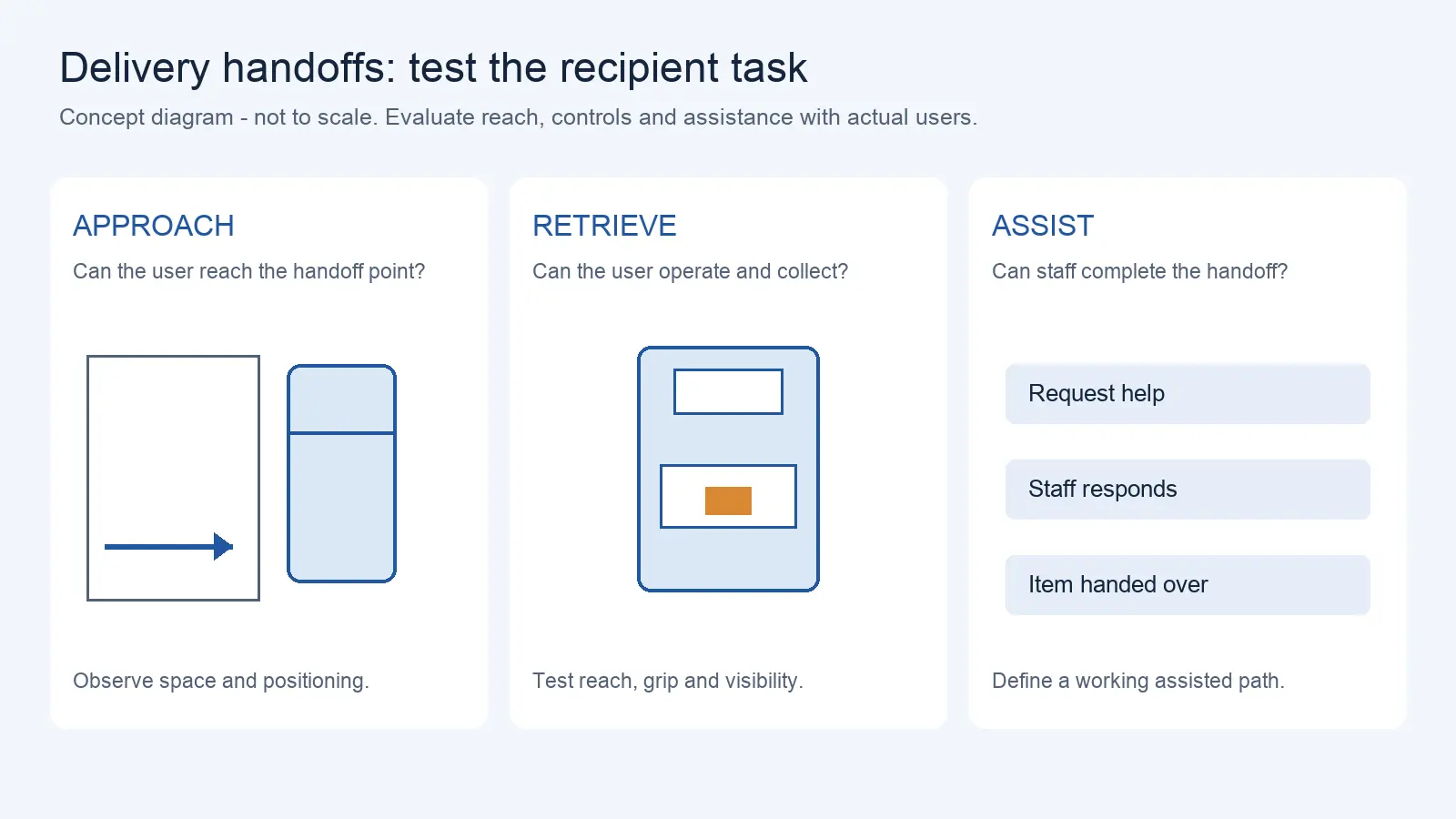
Delivery Robot Accessibility: Tray Reach, Controls, and Assisted Handoffs
Oct 12, 2026
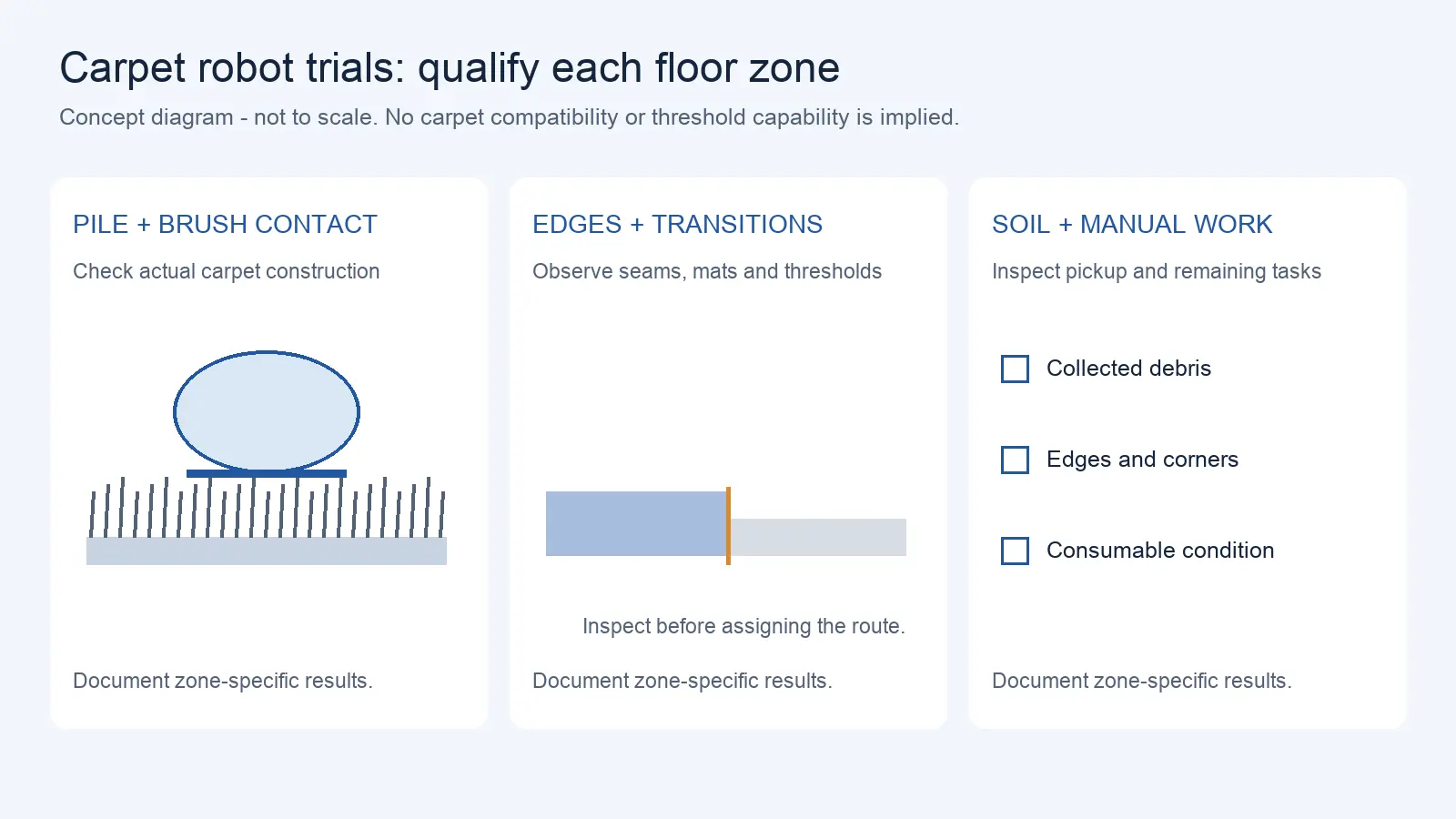
Commercial Carpet-Vacuuming Robots: Pile, Edge Transitions, and Maintenance Limits
Oct 12, 2026
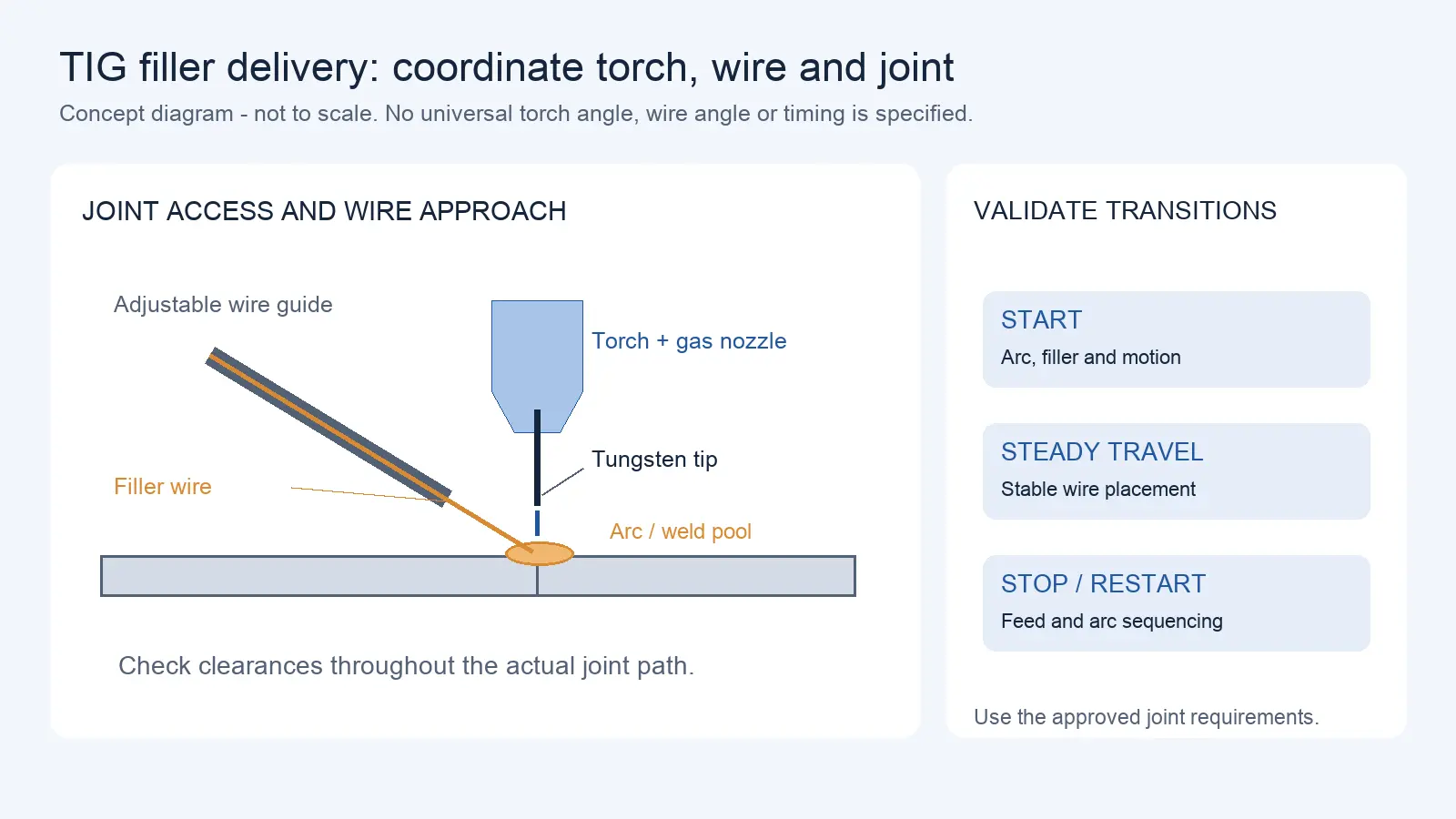
Robotic TIG Filler-Wire Delivery: Feed Angle, Arc Access, and Stop-Start Quality
Oct 12, 2026
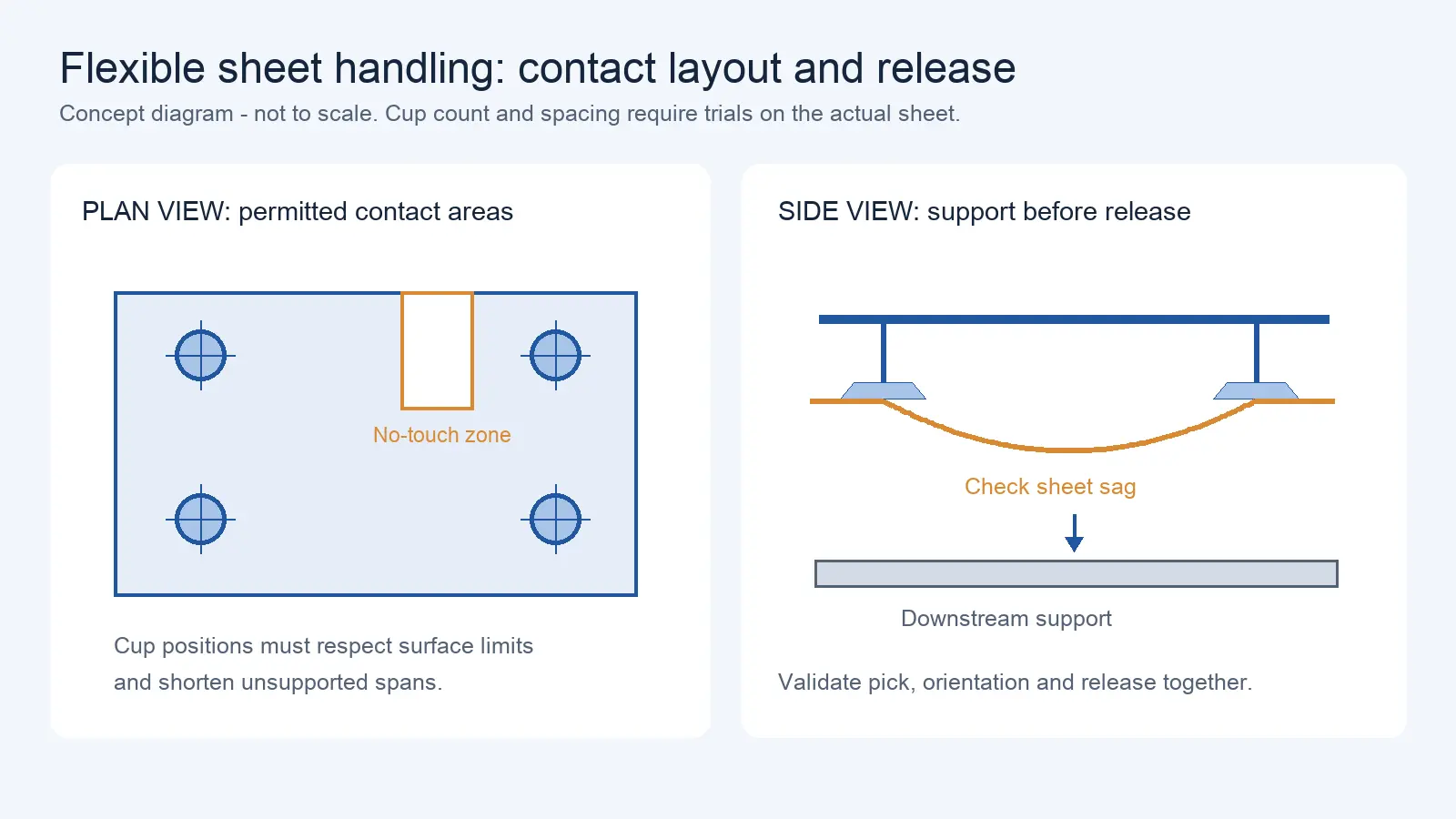
Suction Cup Layout for Flexible Sheets: Sag, Local Stress, and Controlled Release
Oct 12, 2026
Gait rehabilitation robots help patients with neurological conditions — stroke, spinal cord injury (SCI), multiple sclerosis (MS), and other disorders — regain or improve walking ability. Two architectural approaches dominate the market: treadmill-based systems, where the patient walks on a treadmill with body weight support and robotic guidance, and overground systems, where the patient walks on the ground with a robotic exoskeleton or overhead support.
This article exists because overground and treadmill gait rehabilitation architectures are often compared as “which is better” when the clinical evidence does not support a universal ranking. This article covers the technical, operational, and evidence-reading differences that affect device selection — not clinical outcomes, which remain an active area of research. For exoskeleton torque specifications, see Article 06.
Important: Robotic gait training devices have documented evidence for safety, tolerability, and effectiveness in specific patient populations. However, the academic literature notes that “documentation of their comparative advantages to conventional therapies is limited.” This article does not rank one architecture as clinically superior to the other. Clinical outcomes depend on patient population, protocol, dosage, and clinical judgment — not on architecture alone.
The Two Architectures
Treadmill-Based Systems
The patient walks on a treadmill while a robotic system guides or assists leg movement. A body weight support (BWS) system unloads a portion of the patient’s weight, allowing gait training at reduced load. The robotic guidance is typically provided by powered exoskeleton joints (hip, knee, and sometimes ankle) attached to the patient’s legs.
Representative systems: Lokomat (powered exoskeleton over treadmill), Walkbot (powered hip/knee/ankle exoskeleton over treadmill).
Key characteristics:
- Controlled environment — treadmill speed, incline, and BWS are precisely set
- High repetition rate — the patient can take many steps in a session without needing to turn or navigate
- Harness support can reduce the risk of an unprotected fall during training
- Therapist can focus on the therapy, not on catching the patient
- Gait pattern is influenced by the treadmill — biomechanical research has examined whether treadmill walking is comparable to overground walking (a systematic review and meta-analysis has addressed this question)
Overground Systems
The patient walks on the ground (overground) with robotic support. This support can take two forms:
- End-effector systems — an overhead or mobile robotic arm supports the patient’s body weight and guides the pelvis or torso. The patient’s legs move freely (or with minimal robotic guidance), and the robot provides stability and partial weight support.
- Wearable exoskeletons — the patient wears a powered exoskeleton that assists or drives leg movement during overground walking. The exoskeleton provides joint-level assistance (hip, knee, ankle) while the patient navigates a real environment.
Representative systems: FLOAT (overground end-effector gait support robot), Ekso (wearable exoskeleton for overground gait training).
Key characteristics:
- More natural gait pattern — the patient walks on the ground, which may better transfer to real-world walking
- Real-world environment — turns, obstacles, and surface variations are part of the training
- Therapist access — the therapist can walk alongside, provide hands-on assistance, and observe gait from multiple angles
- Patient transfer — depends on system type; wearable exoskeletons require donning/doffing time; end-effector systems may require harness setup
Architecture and Workflow Comparison Table
| Dimension | Treadmill-Based | Overground (End-Effector) | Overground (Wearable Exoskeleton) |
| Walking surface | Treadmill | Ground | Ground |
| Body weight support | Harness/BWS system | Robotic arm or overhead system | Exoskeleton structure + crutches/walker |
| Robotic guidance | Powered leg joints (exoskeleton) | Pelvis/torso support | Powered leg joints (exoskeleton) |
| Step repetition rate | High (continuous treadmill) | Moderate (room-limited) | Moderate (endurance-limited) |
| Fall risk | Harness support can reduce the risk of an unprotected fall during training | Harness support can reduce the risk of an unprotected fall during training | Varies (depends on exoskeleton stability, assistive device, and patient assessment) |
| Therapist positioning | Beside treadmill | Beside patient on ground | Beside patient on ground |
| Environment | Controlled | Semi-controlled (room) | Variable (can include corridors, ramps) |
| Patient transfer to device | Harness setup + leg donning | Harness/pelvis attachment | Full exoskeleton donning |
| Session + setup time | Institution/protocol/device-dependent | Institution/protocol/device-dependent | Institution/protocol/device-dependent |
| Space requirement | Dedicated room (treadmill footprint) | Dedicated room (robot + walking area) | Variable (corridor, therapy gym) |
| Power requirement | Treadmill motor + robot | Robot arm + overhead system | Battery-powered exoskeleton |
Session duration, setup time, and fall risk are institution-, protocol-, patient-, and device-dependent. Do not use generic values for procurement planning. Define these parameters with your clinical team and device supplier.
Patient Transfer and Setup: An Operational Difference
The time and effort to get a patient into the device and ready for training is a significant operational factor that affects daily throughput.
Treadmill Systems
Patient transfer involves: wheelchair-to-treadmill transfer, harness attachment, BWS system connection, and exoskeleton leg donning. The number of therapists and time required depend on the patient’s condition, the device configuration, and the institution’s transfer protocol. The harness and BWS system provide support throughout — the patient is secured during setup.
Overground End-Effector Systems
Patient transfer involves: wheelchair-to-standing transfer (may require a lift or therapist assistance), pelvis/torso attachment to the robot, and system calibration. The robot provides support once the patient is attached. Time and staffing depend on patient condition and device configuration.
Overground Wearable Exoskeletons
Patient transfer involves: wheelchair-to-seated position, full exoskeleton donning (legs, hips, torso attachments), standing transfer (often requiring a walker or crutches for balance), and system calibration. The patient may need crutches or a walker during training — this is part of the gait training protocol, not a limitation of the device. Time and staffing depend on patient condition and device configuration.
Procurement consideration: Daily patient throughput depends not just on session duration but on setup time. Use the throughput formula below with your institution’s actual values, not generic estimates.
Clinical Evidence: What the Literature Says (and Does Not Say)
What Can Be Said
- Robotic gait training devices have scientific and clinical evidence for “effectiveness, safety, and tolerability” in specific patient populations (Springer, clinical review)
Completed outcome studies:
- SCI (motor-incomplete): Lokomat with applied resistance training showed improved SCI-FAP scores compared to standard Lokomat training (PubMed, pilot study)
- Stroke (with dementia): Walkbot training (18 sessions × 30 min) showed improvements in both cognitive and locomotor function in post-stroke dementia patients (ScienceDirect)
- Overground transparency: Adaptive position anticipation in an overground support robot reduced undesired support force oscillations by up to 50%, improving the “transparency” of the robot (i.e., how little the robot interferes with the patient’s natural gait) (IEEE ICORR)
Ongoing / protocol-only studies (study design exists; outcomes not yet reported or not yet completed):
- MS: Overground robotic gait training with Ekso exoskeleton — protocol for 36-participant RCT, EDSS 4.5–7 (Springer, protocol paper). A protocol paper describes the study design and plan; it does not constitute outcome evidence.
- Stroke (early intervention): ERA Stroke trial — 54-patient RCT comparing robotic gait training to usual care, measuring gait speed (10MWT) and endurance (6MWT) (Springer, study protocol). This is a study protocol; outcomes should not be inferred from the protocol alone.
What Cannot Be Said
- No universal outcome ranking. The evidence does not support a general claim that “overground is better than treadmill” or vice versa. Outcomes are population-specific, protocol-specific, and study-specific.
- No cross-diagnosis generalization. Results from stroke patients cannot be extrapolated to SCI or MS patients. Each neurological condition has different pathophysiology, recovery potential, and response to gait training.
- No superiority claim over conventional therapy. The literature explicitly notes that “documentation of comparative advantages to conventional therapies is limited.” Robotic gait training is a tool within a broader rehabilitation program — not a replacement for therapist-delivered therapy.
- No efficacy claim beyond studied populations. Studies have specific inclusion criteria (e.g., motor-incomplete SCI, EDSS 4.5–7 for MS, specific time post-stroke). Results cannot be generalized to patients outside those criteria.
Medical disclaimer: This article provides technical and procurement information about gait rehabilitation robots. It does not constitute medical advice. Clinical decisions about which device to use for which patient population should be made by qualified clinical professionals based on current clinical guidelines, patient assessment, and the latest evidence. Regulatory status of specific devices varies by jurisdiction — verify with the manufacturer and local regulatory authorities.
Clinical Evidence Reading Box
When evaluating clinical evidence cited by a device manufacturer, ask:
- What patient population was studied? (diagnosis, severity, time since injury/ onset)
- How many participants? (pilot study with 10 patients vs RCT with 100+)
- What was the control group? (usual care, conventional therapy, alternative robotic system)
- What were the primary outcome measures? (gait speed, endurance, functional mobility, quality of life)
- Were the results statistically significant? (p-values, confidence intervals, effect sizes)
- Was the study published in a peer-reviewed journal? (or is it a conference abstract / protocol paper?)
- Does the study apply to your patient population? (diagnosis, severity, and setting match your institution’s typical patients)
- Is the study device the same as the device being procured? (model, configuration, software version)
- What is the funding source? (industry-funded studies should be examined for potential bias)
- Has the study been replicated? (single-study findings require caution)
Institution-Fit Worksheet
| Factor | Treadmill-Based | Overground (End-Effector) | Overground (Wearable Exoskeleton) | Your Institution |
| Available space | Dedicated room required | Dedicated room required | Flexible (corridors, gym) | ___ |
| Ceiling height | Standard (treadmill height) | May require overhead rail | Standard | ___ |
| Floor reinforcement | Verify with device manufacturer | Verify with device manufacturer | Verify with device manufacturer | ___ |
| Typical patient diagnosis | SCI, stroke | SCI, stroke, MS | SCI, stroke, MS | ___ |
| Patient transfer capability | Institution-defined | Institution-defined | Institution-defined | ___ |
| Daily patient volume target | ___ | ___ | ___ | ___ |
| Session + setup time per patient | Fill in with your data | Fill in with your data | Fill in with your data | ___ |
| Staff training requirement | Robot operation + BWS | Robot operation | Exoskeleton fitting + gait | ___ |
| Maintenance contract available? | ___ | ___ | ___ | ___ |
| Regulatory approval in your jurisdiction | ___ | ___ | ___ | ___ |
Illustrative Scenario: Rehabilitation Center Selection
A regional rehabilitation center treats a mixed patient population — approximately 60% stroke (illustrative), 25% SCI (illustrative), and 15% MS (illustrative). The center has one dedicated therapy room (40 m²) and a therapy gym shared with other programs. Staffing includes 3 physical therapists, with 2 available for gait training sessions at any given time.
Treadmill-based option: The treadmill system requires the dedicated room. Setup and session times depend on patient condition and protocol. The harness provides safety for patients with balance impairment — relevant for the stroke population.
Overground wearable exoskeleton option: The exoskeleton can be used in the shared therapy gym and in corridors. Setup and session times are generally longer than treadmill systems due to full donning, standing transfer, and calibration. The overground environment allows real-world navigation practice — relevant for MS patients who need to practice walking on varied surfaces.
The decision: The center chose the treadmill system for the first year. The primary factors were: higher daily throughput (due to shorter setup time), and the harness safety for the stroke-dominant patient population. The center plans to add an overground exoskeleton in year 2, once staff training is complete and the MS patient volume grows enough to justify the longer cycle time per patient.
Daily throughput formula: Daily throughput = available staffed treatment minutes ÷ (setup + therapy + reset/cleaning time). Fill in your institution’s actual values to compare architectures.
This decision was not based on clinical superiority — it was based on operational fit: space, staffing, throughput targets, and patient population mix.
This is an illustrative scenario based on common rehabilitation center procurement decisions. Actual throughput, setup times, and patient populations vary by institution.
Request a Quote or Technical Evaluation
Tell us what you need the robot to do. Even if some technical details are not yet confirmed, our team can help evaluate suitable options.
Please share, if available: application, key requirements, site and integration conditions, quantity, destination, and target timeline.
Send Your RequirementsRelated Articles
This article covers gait rehabilitation robot architecture selection. For exoskeleton torque specifications, see Article 06.
Share on Social:


Contact Us
In This Article
Delivery Robot Accessibility: Tray Reach, Controls, and Assisted Handoffs
Oct 12, 2026
Commercial Carpet-Vacuuming Robots: Pile, Edge Transitions, and Maintenance Limits
Oct 12, 2026
Robotic TIG Filler-Wire Delivery: Feed Angle, Arc Access, and Stop-Start Quality
Oct 12, 2026
Suction Cup Layout for Flexible Sheets: Sag, Local Stress, and Controlled Release
Oct 12, 2026