Contact Us


Load-Bearing Lower-Limb Assist Exoskeleton for Industrial Carrying Tasks
A modular passive and optional powered-assist solution, selected around wearer fit, load position, movement pattern and operating environment. AIsirRobot helps industrial buyers assess the task, shortlist suitable modules, review fit compatibility and plan a controlled pilot before deployment.



Product Overview
AIsirRobot’s load-bearing lower-limb assist exoskeleton is a modular wearable solution designed for industrial carrying and sustained-load operations. It uses a passive and quasi-passive load transfer mechanism to route back-mounted loads through the leg structure toward the ground, helping reduce physical strain during carrying tasks.
The system is configured based on actual work requirements, including wearer fit, load position, movement patterns and operating environment. AIsirRobot supports customers through task assessment, module selection, compatibility review and controlled pilot planning before deployment.
The base system requires no battery power for its core load-transfer function, while optional powered modules can be added for active lower-limb or upper-limb assistance according to specific application needs.
 Photo
Photo
Best-Fit Tasks
Tasks the base system is designed to support:
The exoskeleton is designed for tasks where a defined external load is mounted on the back and carried over a distance or sustained period. Suitability depends on the verified product configuration and the customer’s operating conditions.
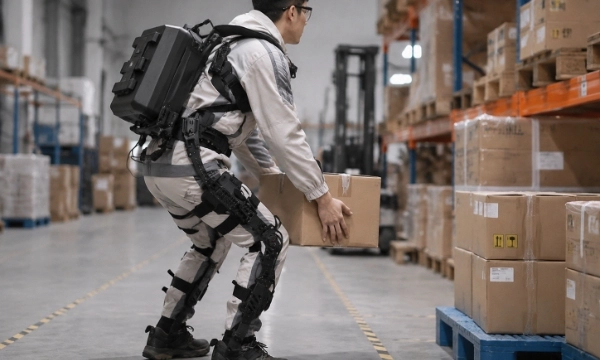
- Back-mounted material transport between work zones
- Sustained carrying or standing with mounted equipment
- Repetitive walking with a defined external load
- Selected bending, stepping or squatting tasks after movement-compatibility validation
Not-Fit Tasks
Tasks that require additional assessment or may not be a fit:
Military, fire rescue, and civilian outdoor applications may be evaluated separately. If your use case falls outside industrial material handling, contact AIsirRobot to discuss a dedicated assessment.
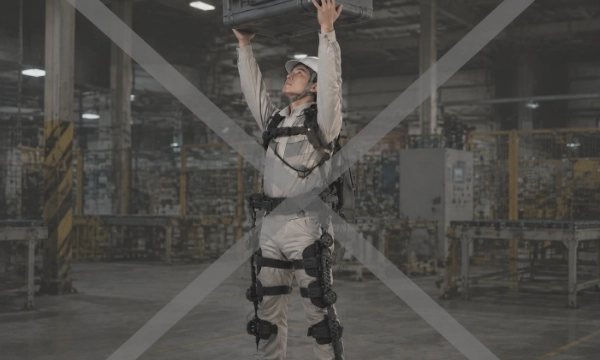
- Overhead or ground-level lifting - not validated without confirmed accessory configuration
- Running, jumping or rapid directional changes - movement compatibility must be validated
- Tasks requiring full hip or ankle range - check against the device’s motion limits
- High-temperature or hazardous environments - subject to separate review and compliance confirmation
Selection and Pilot Process
A suitable exoskeleton is selected around the work task rather than a single headline specification. AIsirRobot coordinates the following process with each customer:
Module Architecture
Configurable Modules for Different Industrial Assistance Requirements
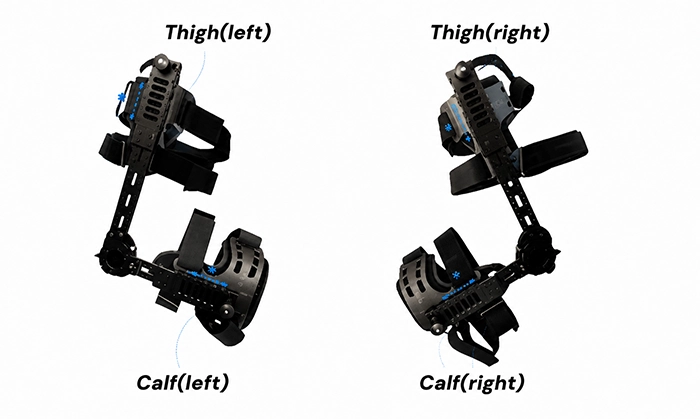
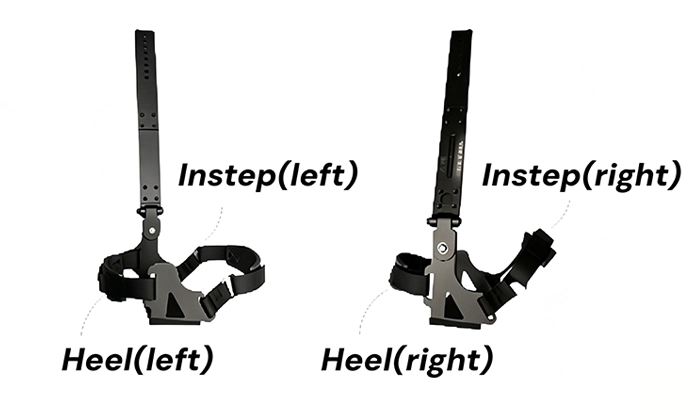
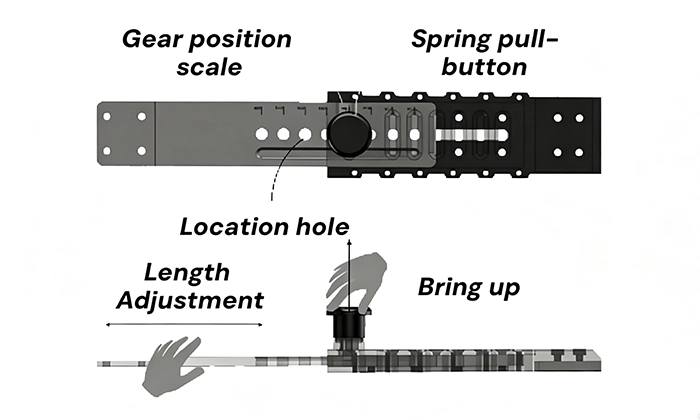
Base Module: The base module transfers back-mounted load through the leg and foot structure to the ground. It includes left and right leg segments, left and right foot segments, and an adjustment mechanism with gear-position markings, spring-loaded knobs and positioning holes for wearer fitting.
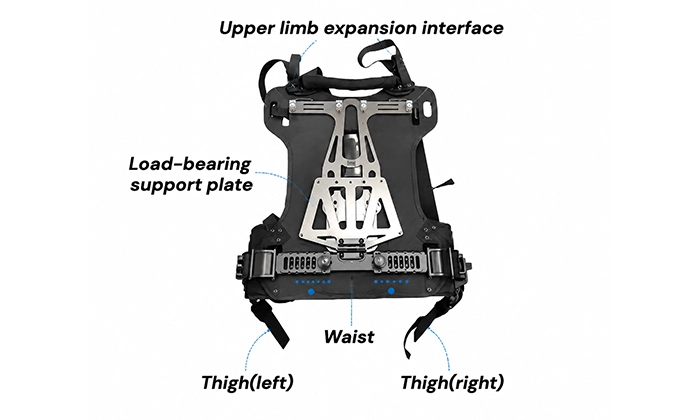
Trunk Module: The trunk module provides the load-bearing platform, waist section and upper-limb expansion interface. It connects the back-mounted load to the leg structure.
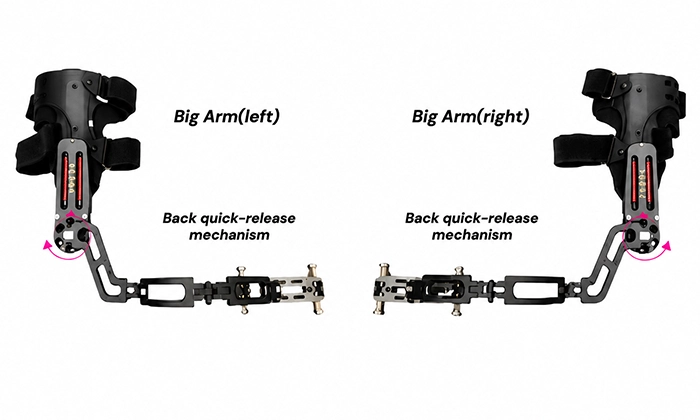
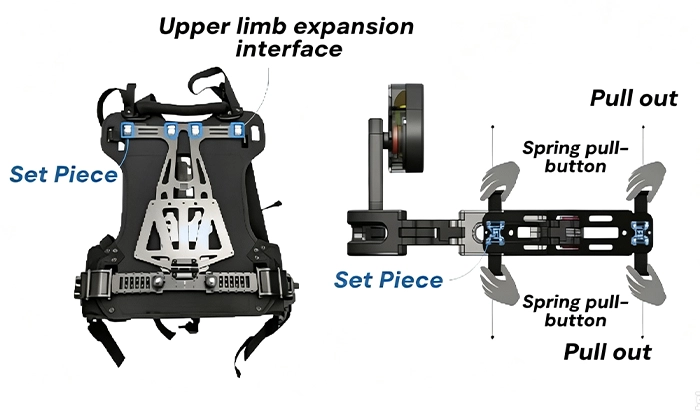
Shoulder Joint Module: The shoulder joint module connects the upper body to the trunk. It includes left and right upper arm segments and a back quick-release mechanism for rapid removal.
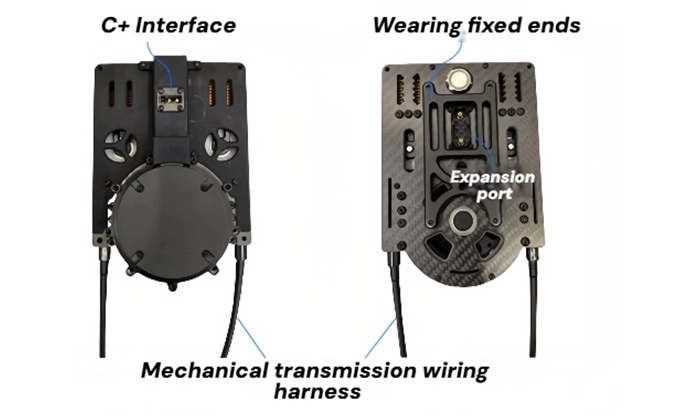
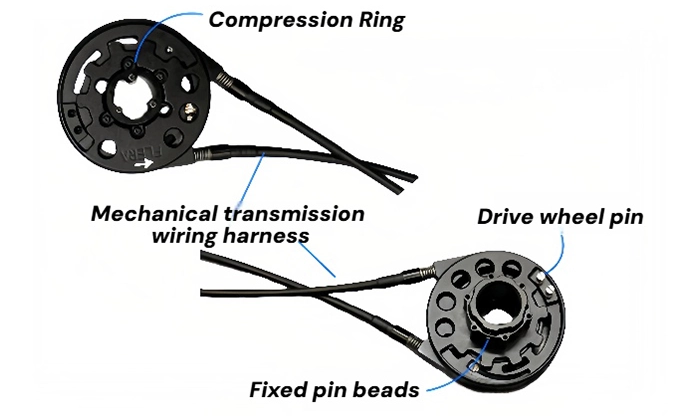
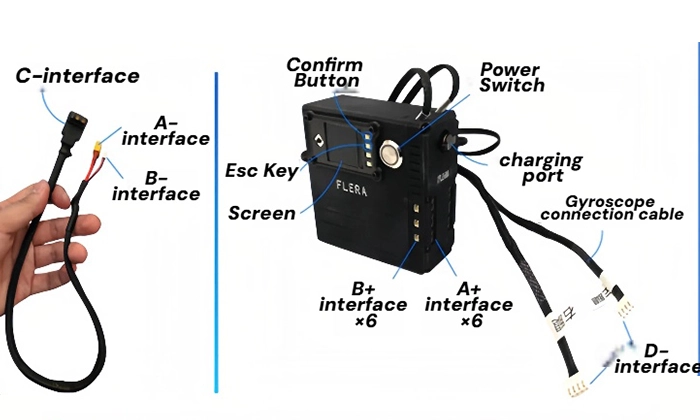
Knee Joint Module: The knee joint module includes a power driver, output ring and controller with harness. The controller features a screen, power button, charging port and gyroscope connection. This module connects optional active assist accessories, such as the lower-limb flexible drive unit.
For a complete interface specification and wiring diagram, contact AIsirRobot with your application requirements.
Specifications
FAQS
Q1: How do you determine whether this exoskeleton fits our task?
AIsirRobot reviews the load position and weight, movement sequence, shift duration, work environment, PPE and wearer dimensions. Based on this information, we identify suitable base-system and accessory options and flag parameters that need verification before deployment.
Q2: Can the exoskeleton be used with our PPE?
PPE compatibility depends on the specific PPE type, wearer body type and task movement profile. This should be assessed during the fit and compatibility check. Contact AIsirRobot with your PPE details for evaluation.
Q3: What should a pilot measure?
A controlled pilot should measure load reduction, wearer comfort and feedback, task completion rate, any movement restrictions and adjustment needs. Pilot outcomes inform the final configuration decision.
Q4: Does the base system require battery power?
No. The core load-transfer function uses a passive and quasi-passive mechanism and does not require battery power. Optional active accessories, such as the lower-limb flexible drive unit and upper-limb assist module, require charging and have separate maintenance requirements.
Q5: What maintenance is required?
Maintenance depends on the configuration. The base passive system has no battery or powered components to maintain. Optional active accessories require charging, periodic inspection and care per the accessory specifications. Detailed maintenance guidance is provided after configuration confirmation.
Q6: What is the difference between the base system and optional accessories?
The base system routes back-mounted load to the ground without battery power. Optional accessories add active assistance: the upper-limb assist module provides shoulder joint support, and the lower-limb flexible drive unit provides powered knee assistance. Accessories are selected based on task requirements and are evaluated separately from the base system.
Q7: What information should we send to get started?
See the Task Assessment section below for the full information checklist. AIsirRobot will review the available configuration, identify information that needs verification and discuss suitable pilot or quotation options.
Request a Quote or Technical Evaluation
Tell us what you need the robot to do. Even if some technical details are not yet confirmed, our team can help evaluate suitable options.
- Application: Briefly describe the task, workflow, or problem you want the robot to handle.
- Key requirements: Share any known payload, reach, capacity, runtime, accuracy, speed, or other performance needs.
- Site & integration: Tell us about the operating environment, layout, existing equipment, or software interfaces if relevant.
- Quantity & timeline: Let us know the expected quantity, destination country, and target delivery or deployment time.