Contact Us



Compact Mobile Robot Chassis for Indoor Delivery, Disinfection, and Patrol Development
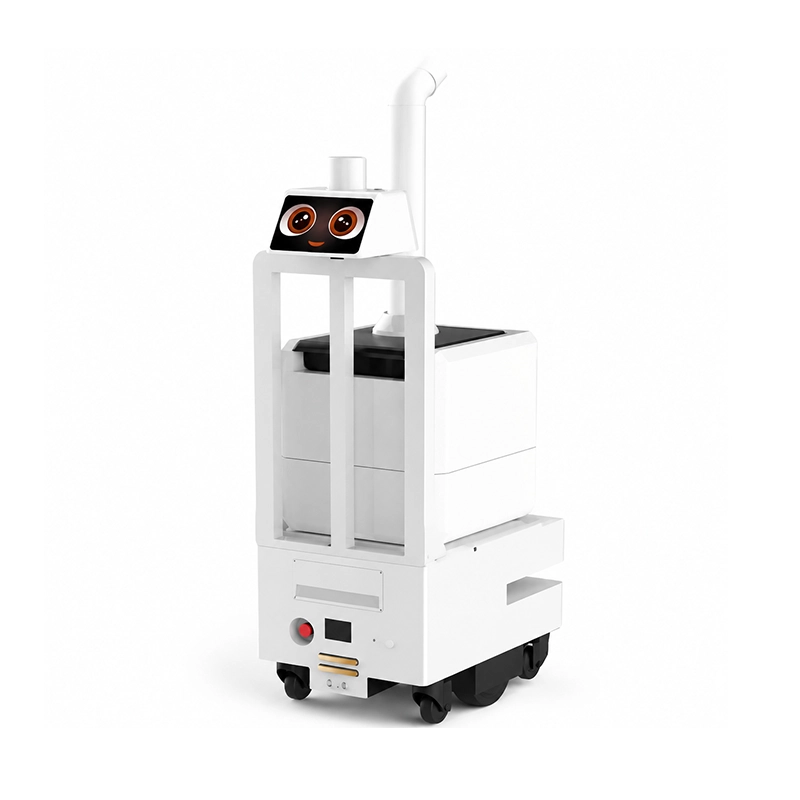
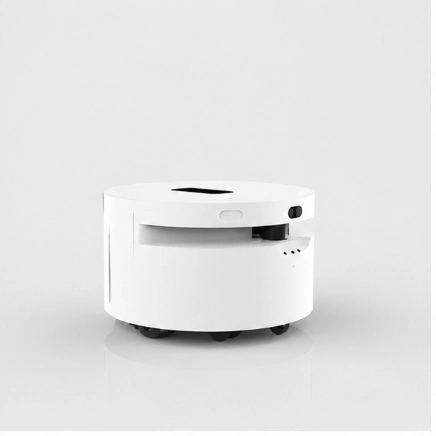
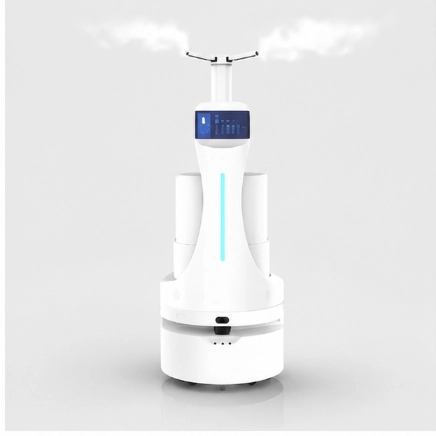
This compact mobile robot chassis is designed for indoor delivery robot development, heavy cargo handling, disinfection robot integration, and indoor patrol applications. Its 500 × 500 × 311 mm body, single-line LiDAR combined with V-SLAM navigation, ±3 cm positioning accuracy, 3D infrared camera obstacle avoidance, 40,000 m² laser mapping capability, and open SDK provide a practical mobile platform for secondary development. We support chassis selection, upper-module compatibility evaluation, interface coordination, and deployment planning based on the requirements of each project.
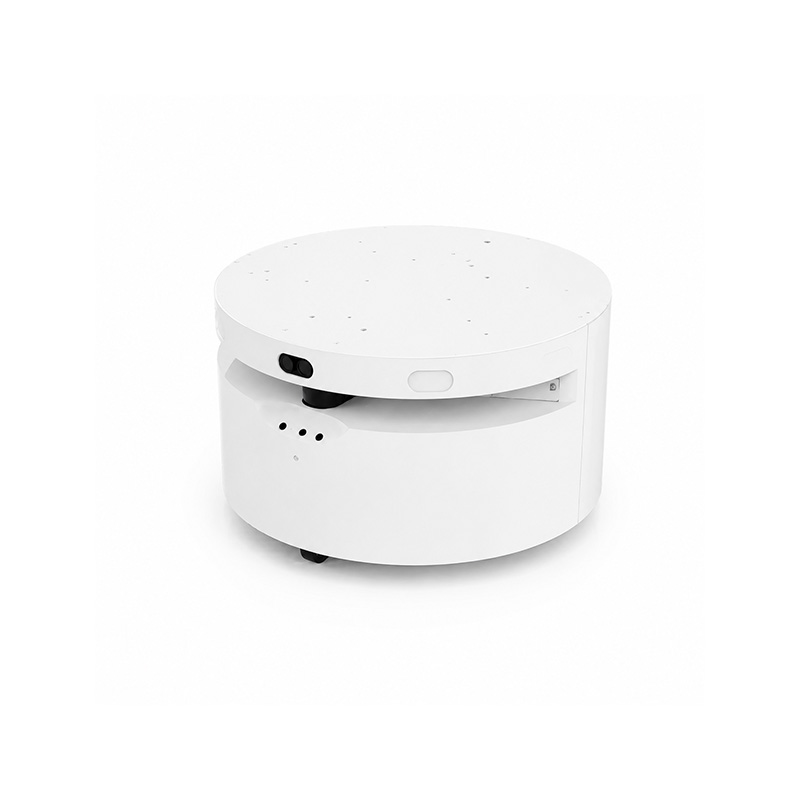



What Is a Mobile Robot Chassis?
A mobile robot chassis is the foundational hardware platform for an autonomous mobile robot. It includes the drive system, navigation sensors, battery and power management, safety components, and a software interface (SDK/API) that developers use to build application-specific robot functionality on top.
Think of it as the “vehicle” half of a complete robot. The chassis handles movement, positioning, obstacle avoidance, and power. You add the “brain”—your application software, upper-mount devices, and task logic—through the open SDK.
A mobile robot chassis is different from a traditional AGV. An AGV follows fixed paths (magnetic strips, QR codes, or physical tracks). A chassis with SLAM navigation maps its environment dynamically and plans routes autonomously—no floor markers, no tracks, no fixed-path limitations.
 Photo
Photo
Why Choose Our Mobile Robot Chassis Solutions
When you source a robot chassis, you are not just buying hardware. You are investing in a development platform that determines your project timeline, integration complexity, and long-term maintainability.Here is what we provide beyond the chassis itself:
You focus on building your application. We help you source, validate, integrate, and deploy the mobile platform that supports it.
Core Advantages
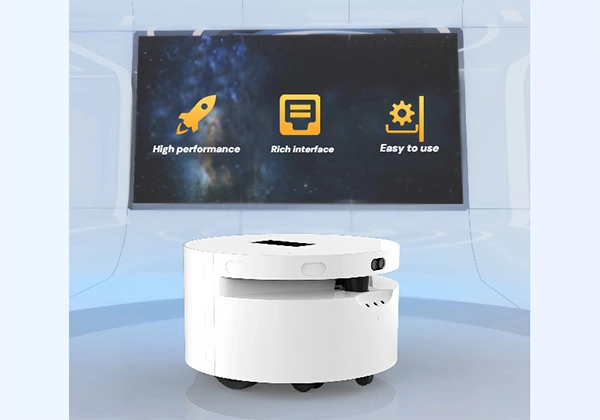
Open SDK, supporting secondary development
Standard SDK interface with strong
scalability
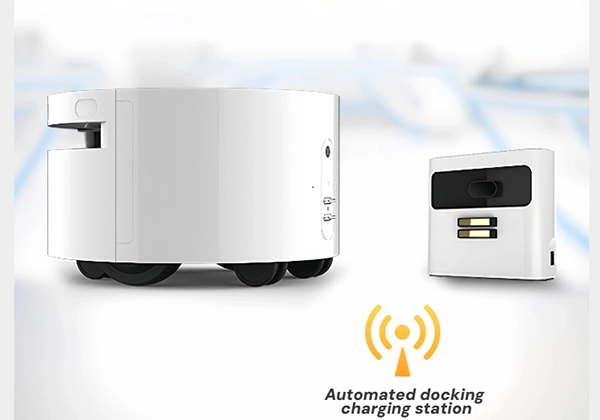
Automatic return charging
When the battery level drops below the set minimum value, it automatically returns to the charging pile for charging, saving you time and effort
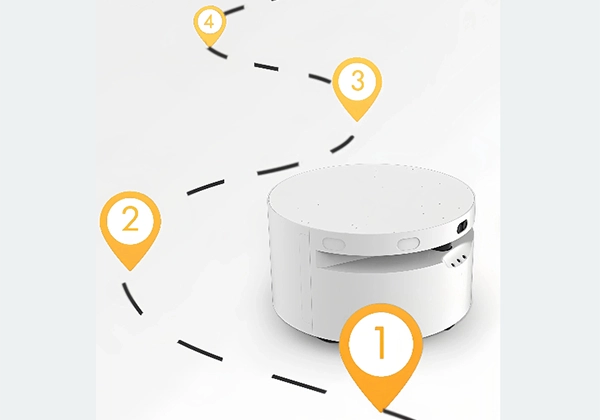
Autonomous Path Planning
Equipped with a liDAR +V-SLAM navigation and positioning system, it automatically plans the driving route
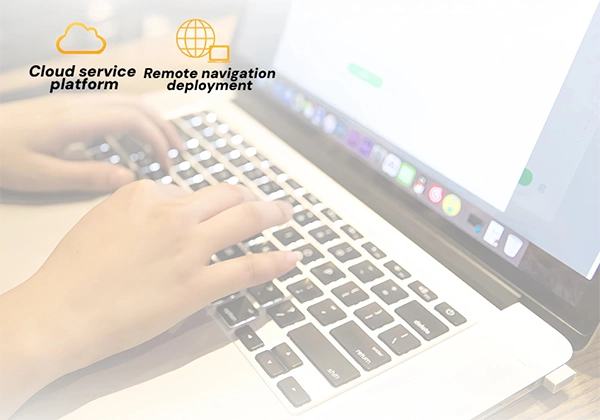
Cloud deployment and debugging
Cross-regional remote map construction
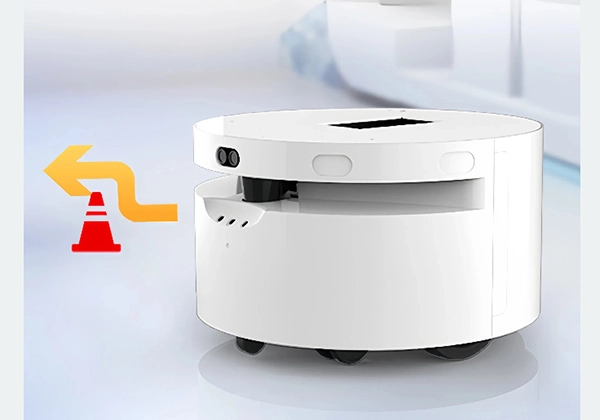
Second-level intelligent
obstacle avoidance
- High-precision navigation and positioning
- A perfect autonomous obstacle avoidance system
- Safe and reliable
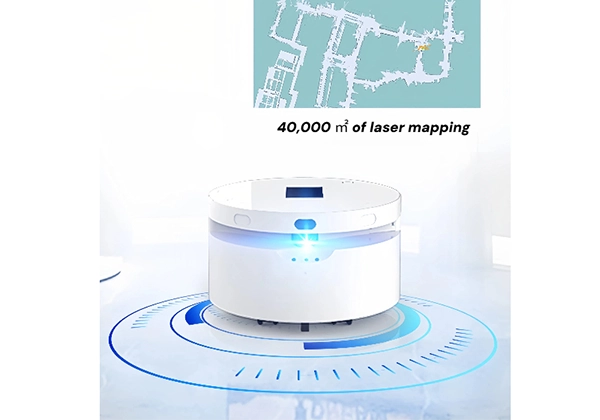
Centimeter-level precision mapping
- Equipped with high-precision liDAR sensors
- 3D infrared camera collaboration
- Precise construction of multiple scenarios and multiple maps
Typical Applications
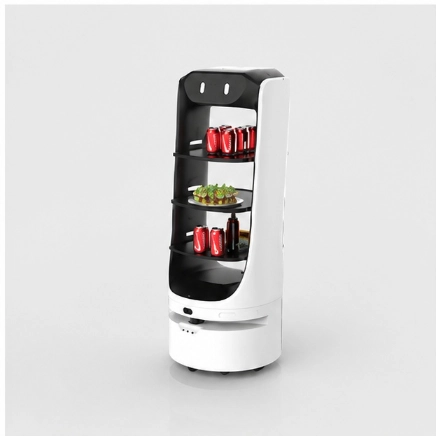
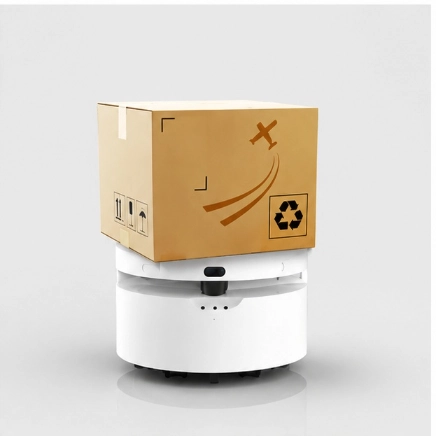
Technology and Specification Guide
FAQS
Q: What navigation method does the chassis use?
The chassis combines single-line LiDAR with V-SLAM (Visual Simultaneous Localization and Mapping) for autonomous indoor navigation. Navigation accuracy is specified at ±3 cm. No floor markers, QR codes, or physical tracks are required for deployment.
Q: What is the laser mapping capability?
The chassis supports centimeter-level precision mapping with a coverage of up to 40,000 m². The single-line LiDAR, combined with 3D infrared camera collaboration, enables multi-scene, multi-map precision construction.
Q: How does the obstacle avoidance system work?
The chassis uses a 3D infrared camera collaboration system for real-time environmental perception. The chassis detects obstacles and performs autonomous avoidance according to the configured navigation system.
Q: Does the chassis support automatic charging?
Yes. The chassis supports auto-return charging with automatic docking. When battery level falls below a configured threshold, the chassis autonomously returns to the charging station to recharge. Charging time specifications should be confirmed based on your charging configuration.
Q: What is the runtime on a single charge?
The chassis operates for 10–12 hours per charge, depending on load and operational conditions.
Q: What communication options are available?
The chassis supports Wi-Fi or 4G for wireless communication. Additional interfaces depend on the selected configuration and should be confirmed for your system architecture.
Q: Does the chassis support remote deployment?
Yes. The chassis supports remote navigation deployment, enabling cross-region map building and navigation configuration without requiring an engineer physically present at each deployment site. Specific remote deployment capabilities should be confirmed based on the selected configuration.
Q: Can the chassis be used for disinfection robot development?
The chassis can be evaluated for integration with disinfection equipment as an upper-mount module. Compatibility depends on power demand, weight, mounting interface, and communication requirements. Disinfection module integration should be evaluated based on your specific equipment.
Q: What is the max payload?
Max payload should be confirmed based on the selected configuration and operating conditions. Contact us to discuss your specific load requirements.
Q: Does the SDK support ROS or specific programming languages?
The chassis is supplied with an open SDK and standard API interface for secondary development. Supported operating systems, programming languages, communication protocols, available API functions, and ROS/ROS2 compatibility should be confirmed against the selected SDK package before project approval.
Q: What is the lead time and warranty?
Lead time is 35 days. The warranty period is 12 months. MOQ is 1 unit. Ordering parameters are subject to order quantity and configuration.
Request a Quote or Technical Evaluation
Tell us what you need the robot to do. Even if some technical details are not yet confirmed, our team can help evaluate suitable options.
- Application: Briefly describe the task, workflow, or problem you want the robot to handle.
- Key requirements: Share any known payload, reach, capacity, runtime, accuracy, speed, or other performance needs.
- Site & integration: Tell us about the operating environment, layout, existing equipment, or software interfaces if relevant.
- Quantity & timeline: Let us know the expected quantity, destination country, and target delivery or deployment time.