Contact Us



AIsirRobot Sweeping & Vacuuming Robot
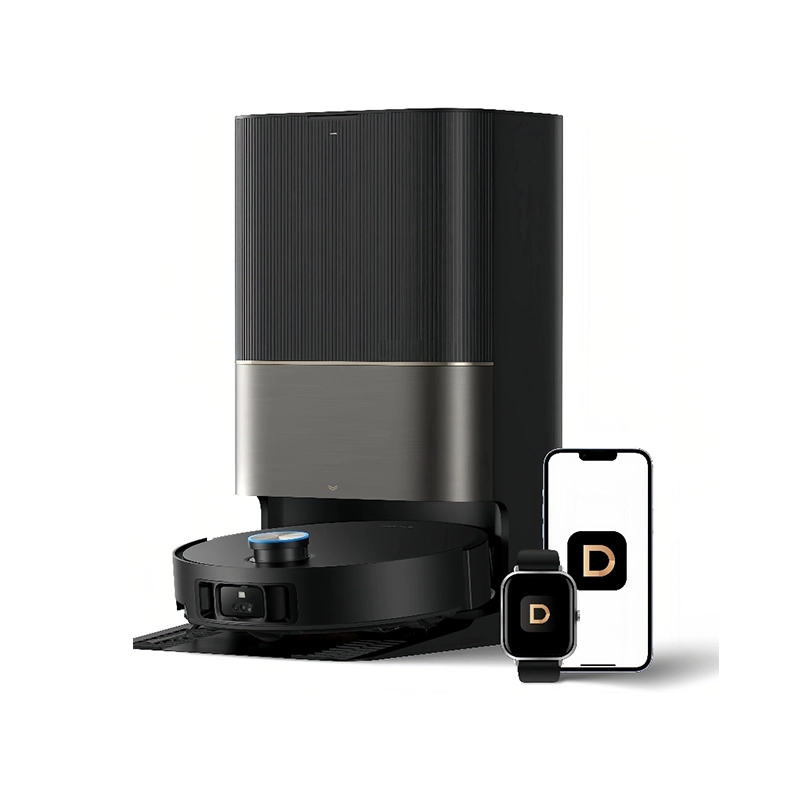
The AIsirRobot Sweeping & Vacuuming Robot is a compact, self-navigating cleaning platform that combines sweeping, vacuuming and mopping functions. It is designed for indoor and semi-outdoor surfaces, including living and working areas, sheltered courtyards, entrance transition zones, covered walkways and patios where dust, debris and surface dirt accumulate.



Product Overview
The robot combines autonomous navigation with sweeping, vacuuming and mopping functions on a single compact platform. It is intended for indoor and suitable semi-outdoor areas rather than unrestricted all-weather outdoor operation. Final suitability depends on surface condition, moisture exposure, temperature, debris type, slopes, thresholds, route safety and the platform’s confirmed environmental rating.
The robot is not designed for unrestricted all-weather outdoor use. It performs best on flat surfaces with defined thresholds and controlled debris loads. For sites with mixed conditions, AIsirRobot can help assess compatibility before purchase.
 Photo
Photo
Is This Robot Right for Your Site?
| Potentially Suitable (subject to assessment) | Not to Be Assumed Without Verification |
| Indoor living and working areas | Open areas exposed to rain or standing water |
| Covered courtyards and sheltered patios | Steep slopes, stairs or undefined drop hazards |
| Entrance transition zones with defined thresholds | Combustible, toxic or regulated dust |
| Covered walkways with compatible surfaces | Public routes without a site safety plan |
| Low-traffic cleaning windows with controlled routes | Extreme temperature, frost or intense weather exposure |
Application Scenarios
Indoor Living and Working Areas
Hard flooring, tiles and sealed surfaces in living spaces, offices and commercial interiors collect dust, foot-traffic debris and fine particles. A compact autonomous platform can cover these areas during low-traffic windows, reducing the need for manual sweeping in corners and along furniture edges.
Conditions to confirm: Surface type and texture, furniture layout and clearance, debris composition, and whether adjacent outdoor areas allow moisture or wind-driven debris to enter through open doors.
Covered Courtyards and Sheltered Patios
Textured concrete, tiled surfaces and sealed flooring in sheltered courtyards collect dust, foot-traffic debris and organic material carried by wind. A compact autonomous platform can cover these areas during low-traffic windows, reducing the need for manual sweeping in corners and along planter edges.
Conditions to confirm: Whether the courtyard has a full roof or partial cover, and whether adjacent open areas allow wind-driven rain or moisture to reach the cleaning surface.
Entrance Transition Zones
Building entrances with transition strips, raised thresholds and weather seals create cleaning challenges where indoor and semi-outdoor surfaces meet. The robot’s threshold-crossing capability can be evaluated against the specific height, shape and spacing of these transitions.
Conditions to confirm: Transition strip height and profile, gap between indoor and semi-outdoor floor materials, and whether the transition is dry or exposed to tracked moisture.
Covered Walkways
Covered or partially covered walkways in commercial, residential or hospitality settings accumulate fine dust and debris along edges and curb lines. The robot’s edge-cleaning capability can be assessed against the walkway width, surface material, obstacle placement and route geometry.
Conditions to confirm: Walkway width relative to platform footprint, density and placement of planters or columns along the route, and whether a charging or mop-washing station can be installed at one end of the walkway.
Key Capabilities
Suction and Debris Pickup
The rated maximum suction of up to 20,000Pa is one input in platform selection. Pickup performance also depends on airflow, brush design, sealing, filtration, debris type and surface conditions. Suction power is not a reliable proxy for area coverage or cleaning efficiency. For specific debris types such as wet leaves, gravel or compacted organic material, separate verification is recommended.
Threshold Crossing
The supplier-specified threshold-crossing capability of up to 60mm (2.36in) for double-layer thresholds is a rated maximum. Picture a raised entry strip at a courtyard doorway: the robot needs enough flat approach space before and after the rise to clear it cleanly. Actual compatibility depends on threshold height, shape, width, gap, friction, approach angle and whether the surface is dry or wet. Thresholds outside these parameters should be checked during site assessment.
Low-Clearance Entry with VersaLift Navigation
When VersaLift navigation is enabled, the robot can enter spaces as low as 89mm (3.5in). Think of the gap under a park bench or a low display shelf: if the underside is flat, the robot slides in; if there are bolts, brackets or uneven joists, it may make contact. The VersaLift function should be enabled only after confirming that the underside of structures is flat and free of protrusions.
Edge and Corner Cleaning
Under defined test conditions, the tested model recorded edge cleaning as close as <1mm from walls and edges. Performance in other edge geometries, including curved curbs, irregular planter shapes and textured surface borders, should be evaluated on site rather than assumed from laboratory data.
Anti-Tangle Brush Design
The anti-tangle brush design is intended to reduce hair-related brush maintenance under verified test conditions. Inspection and routine cleaning remain necessary. The design’s effectiveness depends on hair length, volume, fiber type and cleaning frequency.
Automatic Mop Maintenance
The station may support automatic mop washing with a stain removal rate of up to 99.9% in laboratory tests. This function addresses mop cleanliness between cycles. It does not by itself confirm that the robot may operate in rain, standing water or unrestricted wet outdoor conditions. Whether the station is standard or optional, and its power, drainage and water requirements, should be confirmed for your installation.
AI Action
The robot includes an AI Action intelligent recognition module integrated into the sensor housing. Available perception and navigation functions can support route adjustment around recognized obstacles. Specific detection categories, response parameters and performance limits must be verified by model and confirmed against your site layout and cleaning requirements.
Technical Specifications
FAQS
Can this robot operate in rain or on wet surfaces?
Do not assume all-weather operation. The mop-washing function addresses mop cleanliness between cycles, not wet-environment operation. Confirm the selected model’s environmental rating, allowable moisture exposure, surface traction and site conditions before deployment.
What areas are suitable?
Suitable areas typically include indoor living and working spaces, covered courtyards, sheltered patios, entrance transition zones and covered walkways with compatible surfaces. Each site requires assessment of surface type, debris profile, moisture exposure, temperature, slopes, thresholds, route safety and station location.
How much area can one robot cover?
Coverage depends on layout, surface, debris load, operating mode, charging or station cycle and available cleaning windows. Share your floor plan and cleaning schedule for a project-specific coverage estimate.
What debris can it collect?
Debris types tested by the supplier include fine dust, large particles and hair. For specific materials such as wet leaves, gravel, mud or compacted organic matter, separate verification is recommended. Share your debris profile so we can confirm compatibility.
Can it cross every threshold up to the rated height?
No. The rated threshold-crossing height is a maximum under defined conditions. Actual compatibility depends on threshold shape, width, gap, friction, approach angle and whether the surface is dry or wet. Thresholds should be checked during site assessment.
Does it require a base station?
Whether a charging or mop-washing station is standard or optional depends on the selected configuration. Station requirements include power, drainage, water supply and weather protection for the installation location. We confirm station specifications during the project proposal.
What navigation and safety controls are available?
The robot includes an AI Action perception module and autonomous navigation. Confirmed sensors, obstacle handling, drop detection, remote stop or takeover functions and site operating rules are verified by model and confirmed against your site layout.
What support does AIsirRobot provide?
AIsirRobot provides pre-sale compatibility assessment, deployment guidance, operator training, warranty coordination and spare parts sourcing for your region. Detailed scope is confirmed in the project proposal.
Request a Quote or Technical Evaluation
Tell us what you need the robot to do. Even if some technical details are not yet confirmed, our team can help evaluate suitable options.
- Application: Briefly describe the task, workflow, or problem you want the robot to handle.
- Key requirements: Share any known payload, reach, capacity, runtime, accuracy, speed, or other performance needs.
- Site & integration: Tell us about the operating environment, layout, existing equipment, or software interfaces if relevant.
- Quantity & timeline: Let us know the expected quantity, destination country, and target delivery or deployment time.