

 Contact Us


 Home /
Proving Cleaning Quality Beyond Coverage Maps: Soil Removal, Inspection, and Rework
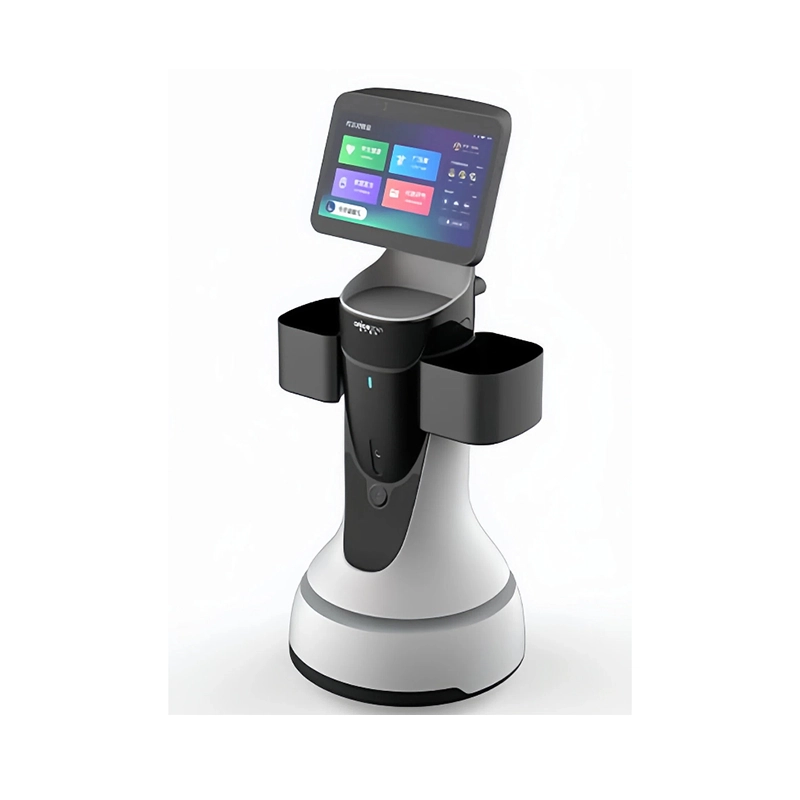
Multilingual Guide Robots: Translation Quality, Place Names, and Content Ownership
Oct 15, 2026
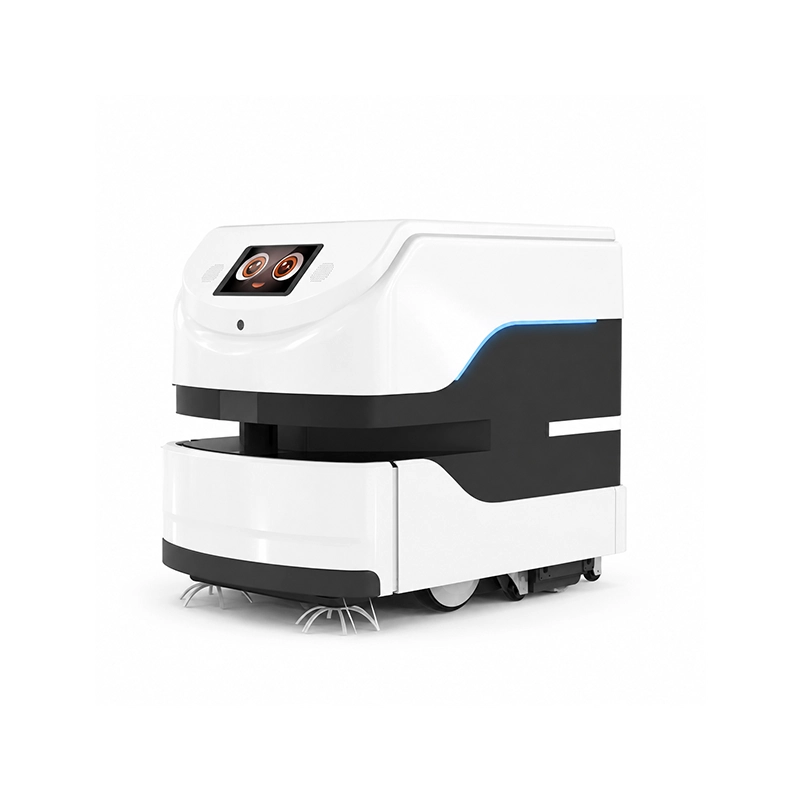
Proving Cleaning Quality Beyond Coverage Maps: Soil Removal, Inspection, and Rework
Oct 15, 2026
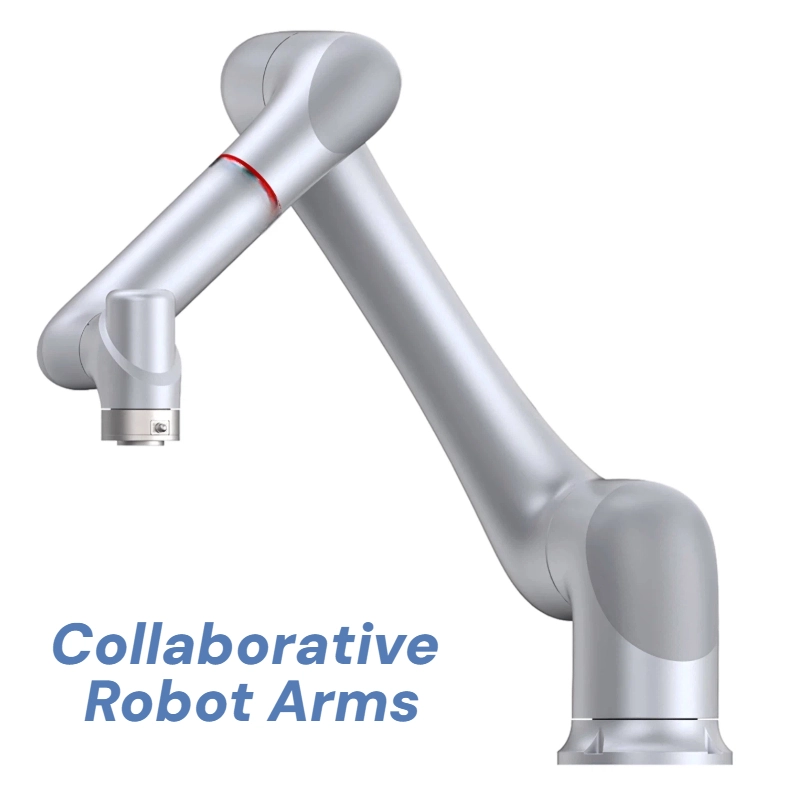
Robot Conveyor Tracking: Encoders, Trigger Timing, and Moving Coordinate Frames
Oct 15, 2026
Magnetic Grippers for Thin Steel Sheets: Air Gaps, Double-Sheet Pickup, and Release
Oct 15, 2026
A cleaning robot may display a detailed coverage map of where it traveled. A route-coverage layer records where the robot traveled; it does not establish whether the floor met the required cleaning result. A robot can drive every square meter of a floor and leave the same film of soil it started with. Use the coverage record to assess the route, then require separate evidence of soil removal.
The gap between "the robot covered the area" and "the area is clean" belongs in the acceptance specification. Route completion and soil removal answer different questions and need different evidence. This article is about the harder one: how to establish field evidence that the cleaning actually removed what it was supposed to remove, and what to do when it did not.
Distinguish Travel, Contact, and Cleaning Outcome
It helps to separate three different things that a cleaning robot does, because conflating them is the first mistake. Travel is the navigation metric: did the robot visit the planned path. Contact is the physical metric: did the pad, brush or pickup system engage the surface as intended, with the specified operating settings. Cleaning outcome is the result metric: is the surface in the required condition. A reported route-coverage percentage cannot establish that those conditions were achieved or that soil was removed. Check the relevant tool engagement, travel speed, consumables, solution delivery and recovery against the cleaning method being tested. Some robot logs record these operating states, but they still need to be connected to an inspected result.
A coverage-only test addresses one part of acceptance: route execution. It does not complete cleaning-performance acceptance. The cleaning result has to be measured separately, on the surface, against a defined target. That measurement is what turns a route into a documented result.
The ISSA Clean Standard: Institutional and Commercial overview describes a combination of ATP-based measurements, audit forms and corrective action for relevant facilities. ISSA's workloading fact sheet separately identifies CIMS as an organizational management standard and Cleaning Times as a task-time planning resource. Keep those roles separate: a management certificate or time estimate does not establish the soil-removal result of a robot pass.
Define Soil-Specific Acceptance
Before anything can be measured, someone has to say what is being cleaned and how clean is clean enough. Define both before the trial so the operator and buyer can assess the result against the same criterion.
Start with the soil. Floor film, food residue, dust, grease, and biofilm behave differently and need different evidence. A test that works for dust may be meaningless for grease. The soil type also determines the appropriate inspection method, so it drives the whole plan.
Then define the target as a level, not an adjective. "Clean" is not a level. A measurable target, such as a specified residue threshold or a defined visual standard, is. Use applicable regulatory or contractual criteria where they specify the relevant result and method. Fill any remaining acceptance fields with the facility's responsible team, including the sampling procedure and decision rule.
Write both down: soil type and target level, per surface. In mainland China, SAMR's explanation of GB/T 46495—2025, Commercial cleaning robots, separates cleaning-performance requirements for sweeping, vacuuming, dust mopping, washing and edge cleaning from motion-performance checks. The standard took effect on May 1, 2026. Ask for the relevant function and test record; a product-standard result does not replace acceptance on your installed floor and soils.
Choose Inspection Points and Timing
A cleaning result is only as good as the sampling that documents it. Sampling has to be planned, not improvised after the fact.
The plan should name where samples are taken, when, and how many. Include corners, edges, accessible areas around obstacles and transition zones, alongside representative open-floor locations. Use known soil hotspots and previous failures to select targeted checks, with representative or randomized locations to reduce selection bias.
The geometric-access side of that problem is covered in our cleaning robot edge-coverage guide; this article addresses the separate task of sampling cleaning outcomes. Record inaccessible or manually finished areas explicitly so a route percentage cannot hide the service boundary.
The timing matters too. A sample taken immediately after the pass and a sample taken an hour later can differ, because residue re-deposits and surfaces dry. The plan should fix the sampling moment relative to the cleaning event so results are comparable across runs.
The inspection method should match the question. Use visual inspection for visible residue and a suitable chemical or surface test for the target contaminant. A visually acceptable surface can still carry residue outside the inspection's detection capability. CDC's healthcare environmental-cleaning guidance describes ATP testing as an indicator of organic material and notes method limitations. ATP does not identify a pathogen or prove disinfection; select and interpret the test for the intended soil, surface and decision.
A mainland method example is WS/T 512—2025, Appendix A, effective February 1, 2026, which describes standardized visual checks, fluorescent-marker methods and ATP readings taken according to the monitoring product's instructions. Its scope is healthcare environmental surfaces, and its fluorescent-marker procedure concerns bed-unit or high-touch surfaces. These are useful examples of method-specific evidence, not a universal commercial-floor protocol or robot disinfection approval.
Compare Before and After Evidence
Validation establishes that a defined cleaning procedure can achieve its specified outcome under representative conditions; routine verification checks whether operating results continue to meet the agreed criterion. Paired before-and-after samples can be useful in a trial, but are not mandatory for every verification check.
The UK Food Standards Agency's review of allergen cleaning distinguishes evidence of cleaning capability from checks that the procedure continues to operate as intended. It also warns that ATP is not allergen-specific. Use that distinction when planning the robot trial, while keeping allergen-testing requirements within their food-process scope. Define repeat trials, routine checks and revalidation triggers around the intended variation and changes that can affect cleaning effectiveness.
For a removal study, use comparable locations and a documented sampling method for baseline and post-cleaning readings. For routine verification, use the agreed method and its required sample sequence. A validated post-cleaning threshold can be assessed without a new baseline each time where that protocol permits it; a method requiring paired readings, such as the cited WS/T 512 ATP procedure, still needs those readings.
Specify both layers for the robot service: an initial trial across representative and challenging soil/surface conditions, then routine checks at the agreed frequency. Initial validation establishes capability for the conditions tested. Routine verification detects drift or failures in the runs and areas actually checked. Neither sampled result proves every untested area.
Record Rework and Human Intervention
Cleaning may require more than one pass. Distinguish a planned second pass or manual finish from unplanned rework after a failed acceptance check. A failed check remains open until the correction and re-inspection meet the criterion. When a sample fails, the question is what happens next: is the area re-cleaned, by the robot or by a person, and how is the re-clean confirmed.
That means the cleaning record has to carry more than a route log. It should carry the inspection result and, where a spot failed, the rework and its re-inspection. Human intervention is part of this record: if an operator re-cleaned a corner the robot could not reach, that is a fact the record should show, because it defines the real boundary of what the robot does. A record that only shows routes is a record of effort, not of outcome.
The rework record is also the feedback loop. If the same edge fails every week, the failures point at a design problem, a pad or a chemical problem, or an obstacle the robot handles badly. Use the pattern to investigate access, soil loading, consumables, solution delivery, operating settings and the inspection method.
Create the Cleaning Acceptance Record
The output of this work is a table that ties the cleaning result to the surface. One row per surface and soil type, with columns for: the soil and the target level, the inspection point and method, the sampling moment, the result and its pass criterion, and the rework action and re-inspection when it fails. Add the validation-versus-verification frequency as a second small table.
Build that table and the cleaning question stops being a coverage argument. The soil and the target are named, the hard spots are sampled, the result is measured against a stated level, rework is defined and re-checked, and the whole thing distinguishes a proven design from a monitored running process. Require that result record before accepting cleaning performance. A complete route is useful operational evidence; the agreed soil-removal checks decide whether the cleaning result passes.
Bring the failed surfaces into the conversation. Send a floor plan with the troublesome edges marked, the surface finish, main soil types, current cleaning method, frequency and any inspection criteria the facility already uses. Our cleaning-robot application assessment can help separate route coverage from the cleaning outcome you need, identify where robot capability or consumable compatibility must be checked, and organize the questions for a site trial. Agree the sampling method and rework ownership with the cleaning operator and qualified testing team before using any result as a hygiene or sanitation claim.
Share on Social:


Contact Us
In This Article
Multilingual Guide Robots: Translation Quality, Place Names, and Content Ownership
Oct 15, 2026
Proving Cleaning Quality Beyond Coverage Maps: Soil Removal, Inspection, and Rework
Oct 15, 2026
Robot Conveyor Tracking: Encoders, Trigger Timing, and Moving Coordinate Frames
Oct 15, 2026
Magnetic Grippers for Thin Steel Sheets: Air Gaps, Double-Sheet Pickup, and Release
Oct 15, 2026