

 Contact Us


 Home /
Robot Protective Covers Need a System-Level Fit Check

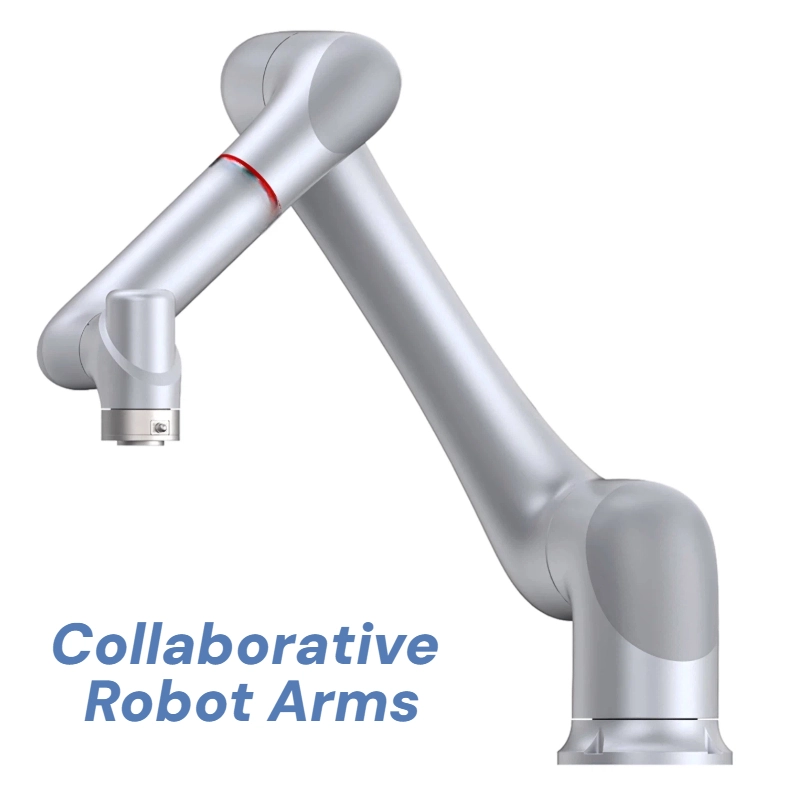

The cover should be reviewed on the robot configuration that will wear it, with the tool, cables and task still in place. A protective cover changes the assembly described by the original robot documentation. Check whether the robot, tool and cover together remain within the applicable motion, thermal, cleaning and maintenance conditions.
Name the exposure the cover is intended to control
Start with the exposure, not the cover material. A splash of coolant, a light dust load, contact with a cleaning agent, and a contamination-isolation requirement are four different problems, and a material chosen for one is not automatically suited to another. State the exposure location, whether it is continuous or intermittent, and the cleaning method the site already permits.
Do not declare a single cover material suitable for every environment. The useful input is the specific exposure, in its location, under the site's allowed handling. That input drives which evidence is worth collecting.
Review the cover with the tool and dress pack in motion
The cover sits on a moving machine, so the working motion decides whether it survives. Under the maker's allowed verification conditions, check the working pose range, the folding or tension of the cover, interference with the tool and cabling, sensor visibility, and the clearances the motion needs. These are drawing and trajectory checks against the specific robot version.
A cover adds mass and changes the outer envelope, so the previously verified bare-arm trajectory cannot simply be assumed to hold. The cover, tool and cabling must be checked together as one moving assembly. Cable clearance through the full motion is its own subject, and dress-pack clearance through the working motion handles the routing detail. Write down the drawing and trajectory evidence that is required; do not provide instructions for building a homemade guard or bypassing a protective function.
Recheck heat, cleaning and service access together
Heat, cleaning and access are not three separate advantages. They are constraints on the same installed configuration, and improving one can worsen another.
Operating conditions with the cover installed
A fitted cover can alter airflow, heat transfer and access around the robot. Check the robot maker's operating limits and the cover supplier's conditions for the installed combination, including the task and ambient conditions. Do not transfer bare-arm duty assumptions or invent a derating percentage. Detail on the underlying limits stays with robot duty-cycle and thermal limits.
Cleaning and replacement conditions
The cleaning method must have a material or model basis. Water resistance does not imply chemical resistance, and neither implies heat resistance. Match the permitted cleaning process to the specific cover and robot documentation, and keep or exclude each cleaning step on that basis.
Service points that must remain accessible
A cover that blocks a service port, a label, or a sensor path is a maintenance problem waiting to surface. List the points that must stay accessible after the cover is fitted, and verify them against the installed layout.
Read every protection claim at its tested boundary
A report on a cover material, a cover product, a specific installation, and a complete application are four different scopes. When a claim mentions an IP rating, cleanliness or explosion protection, cite only the corresponding original evidence and the configuration it covers. A single material or cover report does not establish the whole machine's qualification.
The IEC 60529 catalogue defines a classification of protection provided by enclosures. Apply a claimed IP rating only to the tested object and documented conditions; a cover or material claim does not automatically become the rating of the robot, tool and cover together. Use what the robot's IP rating establishes for the broader rating discussion, and obtain the actual test scope for the proposed combination.
| Check object | Combination evidence needed | Earlier conclusion that cannot simply carry over | Decision action |
|---|---|---|---|
| Exposure and cover material | The original statement for the specified material or cover under the target exposure | Performance in a different contamination or temperature environment | Limit the exposure scope or add material evidence |
| Working trajectory | The space relation of cover, tool and cables after fitting | Bare-arm trajectory with no interference | Bring the new interference into combination validation |
| Thermal condition | Robot maker and cover notes for the installed condition | The bare-arm continuous-duty condition transferred as-is | Check for added limits, without inventing a de-rating figure |
| Cleaning and replacement | The specified material, cleaning method and service condition | A cover that resists water resisting any cleaner | Keep or exclude cleaning steps per the corresponding file |
| Maintenance and sensors | Accessibility of service ports, labels, heat paths and sensing positions | A cover having no effect on maintenance | Name the items that must remain accessible |
| Rating / qualification claim | The sample, configuration and conditions the report covers | A single material or cover report proving whole-machine qualification | Limit the claim to the real tested object |
Record the combination that can move to validation
The output is a trackable record for procurement and engineering: Robot-tool-cover versions / Exposure objective / Task envelope / Cleaning regime / Maintenance access / Evidence scope / Open item owner / Continue or hold. Consider one worked example as a method demonstration: a material report exists, but there is no post-installation trajectory evidence, so only the material conclusion is retained and the combination stays open. That is a method example, not a site result.
Attach the combination record to a robot selection discussion: robot and tool versions, the proposed cover, the exposure and the particular manufacturer evidence still missing. A material report alone leaves the installed-motion question open.
Share on Social:


